 You've already replaced the oxygen sensor the parts store said you needed. The light came back. You tried a new catalytic converter because that's what the code pointed toward. The light came back. You've spent real money chasing codes, and your car still runs rough on your Page Mill Road commute. The problem isn't the parts. The problem is nobody actually diagnosed what failed.
Why Code Readers Don't Tell You What's Actually Broken
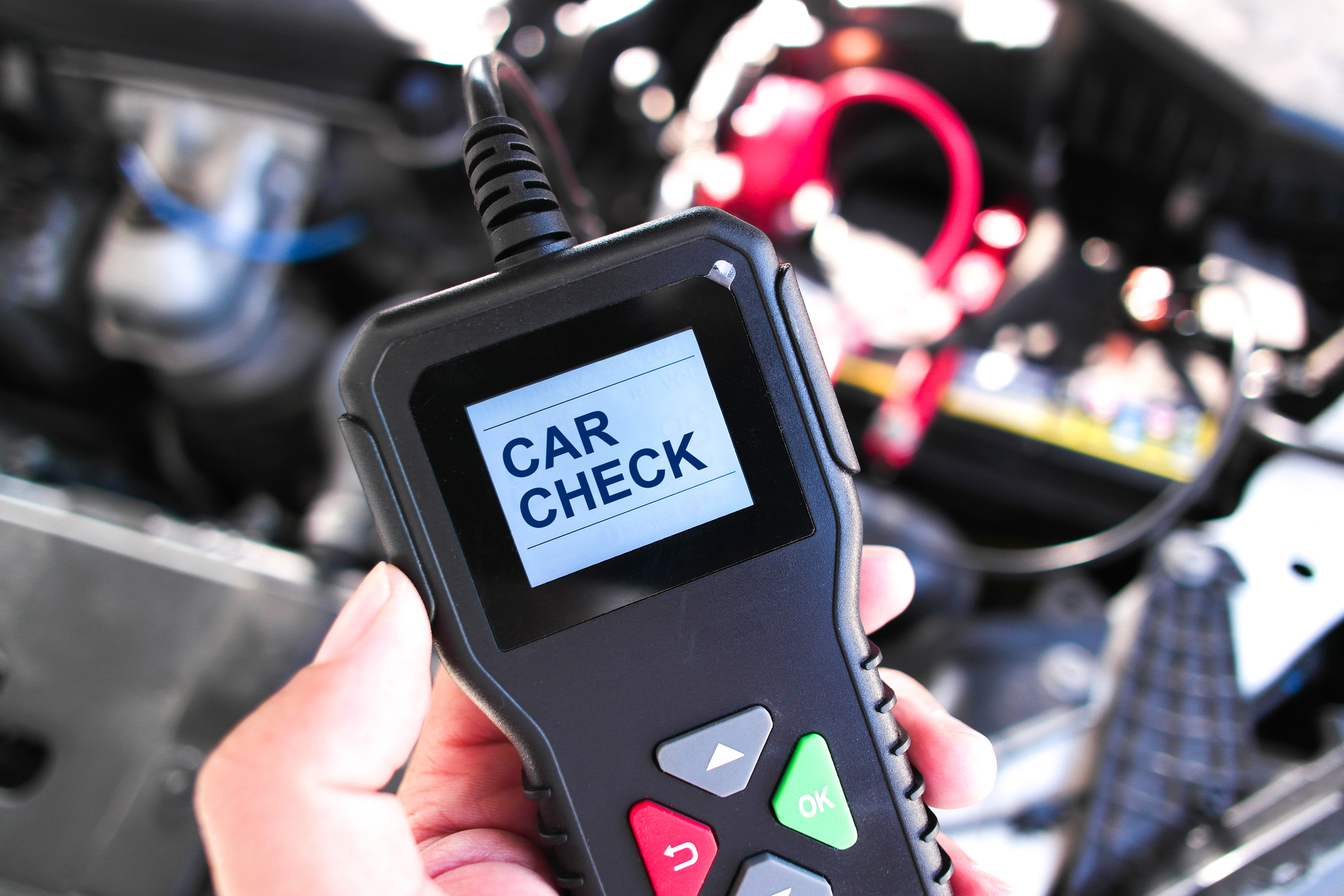
Code P0420 says catalytic converter efficiency below threshold. That sounds specific. It isn't. Your converter efficiency reading depends on upstream sensor accuracy, exhaust pipe integrity, and combustion quality inside your cylinders. A sluggish upstream sensor sends wrong data that makes perfectly good converters look failed on every scan tool screen. The sensor's the problem. The code blames the converter.
Exhaust leaks between sensor locations let outside air contaminate readings and trigger converter codes on cars with perfect converters installed. Engine misfires dump unburned fuel into your exhaust where it burns inside the converter and destroys the substrate. Fix the misfire first. Then see if the converter code returns. It probably won't.
We Capture Data The Parts Store Never Shows You
Freeze frame records your engine's exact condition when the code stored in memory. Coolant temperature, engine load percentage, vehicle speed, and fuel trim correction all get captured together. That snapshot tells us whether your problem happens during cold morning starts or hot highway cruise toward Stanford. Different conditions point toward completely different failures requiring completely different repairs.
Mode Six data shows pass/fail results for tests running constantly while you drive around Palo Alto. These tests reveal components approaching failure thresholds while still technically passing basic scans. We catch your converter losing efficiency months before codes actually set. We see your sensors slowing down before they trigger lights.
Oxygen Sensors Control Everything About Your Fuel Mixture
Your engine adjusts fuel injector timing constantly using oxygen sensor voltage feedback from the exhaust stream. Upstream sensors should swing between low and high voltage several times per second at idle. Slow switching means contaminated sensing elements affecting every fuel calculation your computer makes. We graph live voltages during idle, cruise, and acceleration. We compare your patterns against specifications for your specific engine. Then we know what's actually degraded.
Downstream sensors should show steadier voltage than upstream sensors when converters work properly. Similar patterns at both locations mean either converter failure or sensor problems we need to isolate before replacing anything.
Fuel Trim Numbers Reveal Problems Codes Don't Mention
Your computer adjusts injector pulse width constantly to compensate for wear, altitude, and fuel quality variations. Fuel trim percentages beyond plus or minus ten percent indicate real problems needing diagnosis. Vacuum leaks at intake gaskets pull trim numbers lean. Weak fuel pumps can't maintain pressure under load. Clogged injectors starve individual cylinders. The trim numbers point toward causes that code descriptions never mention.
Evap System Leaks Need Smoke Testing
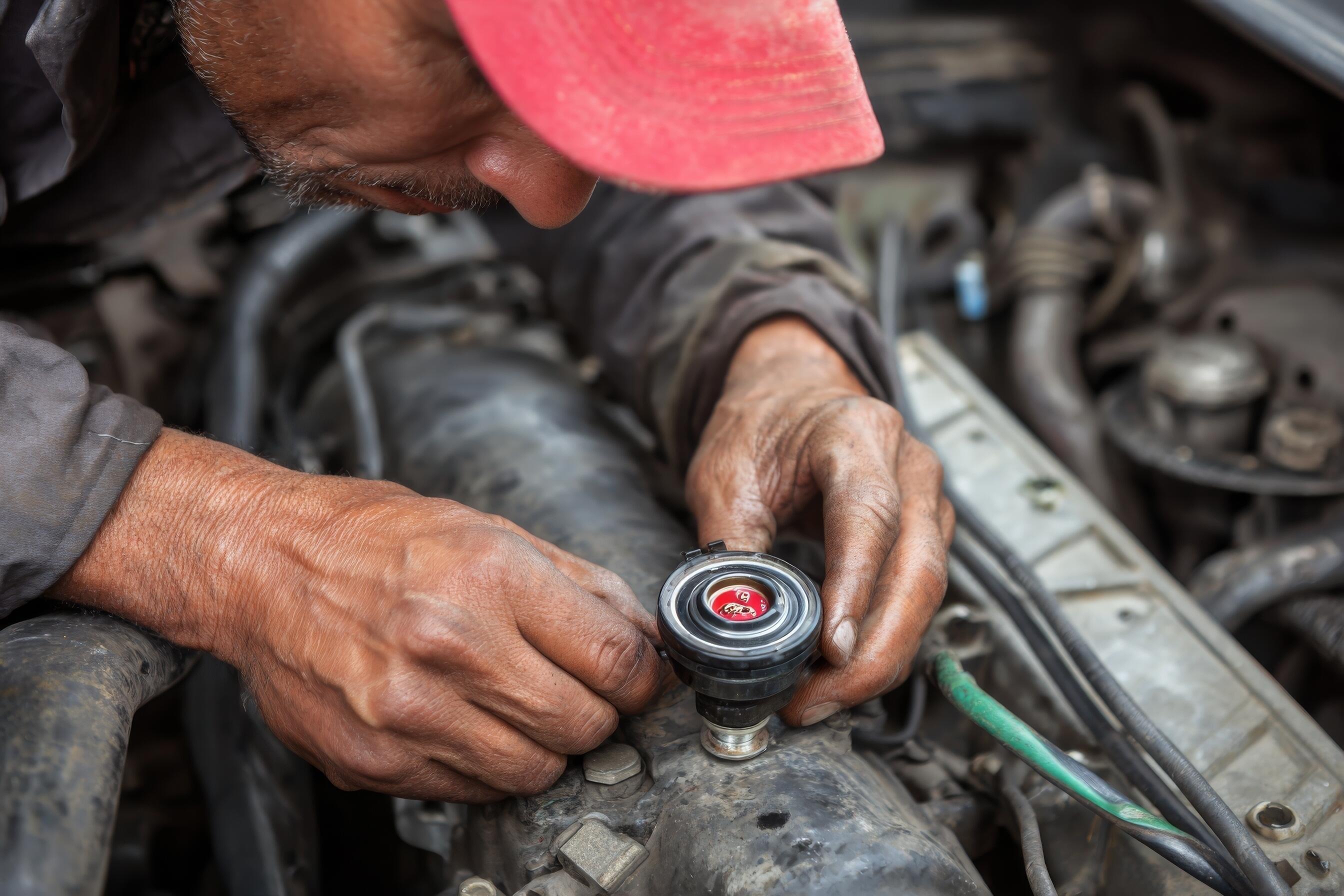
Small leaks in your fuel vapor recovery system trigger codes that basic scanners can't pinpoint to actual failed components. We pressurize your system with smoke and watch for vapor escaping through cracked hoses, failed purge valves, and degraded O-ring seals. Loose gas caps cause a surprising number of these codes. We check the cheap stuff first.
Stop Wasting Money On Parts That Don't Fix Anything
M & R Automotive in Menlo Park finds actual causes for Palo Alto drivers who've already wasted money chasing codes at parts stores and quick-lube shops. We test sensors individually. We graph live data streams. We compare your readings against factory specifications. Then we tell you what's actually failed and what it takes to fix it. Call (650) 325-3900 when you're done guessing and ready for answers.
You've already replaced the oxygen sensor the parts store said you needed. The light came back. You tried a new catalytic converter because that's what the code pointed toward. The light came back. You've spent real money chasing codes, and your car still runs rough on your Page Mill Road commute. The problem isn't the parts. The problem is nobody actually diagnosed what failed.
Why Code Readers Don't Tell You What's Actually Broken
Code P0420 says catalytic converter efficiency below threshold. That sounds specific. It isn't. Your converter efficiency reading depends on upstream sensor accuracy, exhaust pipe integrity, and combustion quality inside your cylinders. A sluggish upstream sensor sends wrong data that makes perfectly good converters look failed on every scan tool screen. The sensor's the problem. The code blames the converter.
Exhaust leaks between sensor locations let outside air contaminate readings and trigger converter codes on cars with perfect converters installed. Engine misfires dump unburned fuel into your exhaust where it burns inside the converter and destroys the substrate. Fix the misfire first. Then see if the converter code returns. It probably won't.
We Capture Data The Parts Store Never Shows You
Freeze frame records your engine's exact condition when the code stored in memory. Coolant temperature, engine load percentage, vehicle speed, and fuel trim correction all get captured together. That snapshot tells us whether your problem happens during cold morning starts or hot highway cruise toward Stanford. Different conditions point toward completely different failures requiring completely different repairs.
Mode Six data shows pass/fail results for tests running constantly while you drive around Palo Alto. These tests reveal components approaching failure thresholds while still technically passing basic scans. We catch your converter losing efficiency months before codes actually set. We see your sensors slowing down before they trigger lights.
Oxygen Sensors Control Everything About Your Fuel Mixture
Your engine adjusts fuel injector timing constantly using oxygen sensor voltage feedback from the exhaust stream. Upstream sensors should swing between low and high voltage several times per second at idle. Slow switching means contaminated sensing elements affecting every fuel calculation your computer makes. We graph live voltages during idle, cruise, and acceleration. We compare your patterns against specifications for your specific engine. Then we know what's actually degraded.
Downstream sensors should show steadier voltage than upstream sensors when converters work properly. Similar patterns at both locations mean either converter failure or sensor problems we need to isolate before replacing anything.
Fuel Trim Numbers Reveal Problems Codes Don't Mention
Your computer adjusts injector pulse width constantly to compensate for wear, altitude, and fuel quality variations. Fuel trim percentages beyond plus or minus ten percent indicate real problems needing diagnosis. Vacuum leaks at intake gaskets pull trim numbers lean. Weak fuel pumps can't maintain pressure under load. Clogged injectors starve individual cylinders. The trim numbers point toward causes that code descriptions never mention.
Evap System Leaks Need Smoke Testing
Small leaks in your fuel vapor recovery system trigger codes that basic scanners can't pinpoint to actual failed components. We pressurize your system with smoke and watch for vapor escaping through cracked hoses, failed purge valves, and degraded O-ring seals. Loose gas caps cause a surprising number of these codes. We check the cheap stuff first.
Stop Wasting Money On Parts That Don't Fix Anything
M & R Automotive in Menlo Park finds actual causes for Palo Alto drivers who've already wasted money chasing codes at parts stores and quick-lube shops. We test sensors individually. We graph live data streams. We compare your readings against factory specifications. Then we tell you what's actually failed and what it takes to fix it. Call (650) 325-3900 when you're done guessing and ready for answers.
Palo Alto, CA - Auto Repair Shop Check Engine Light Diagnostics Explained
SYNOPSIS: M & R Automotive in Menlo Park diagnoses check engine lights for Palo Alto drivers who are tired of replacing parts that don't fix anything.
Check Engine Diagnosis That Finds Real Answers
BY: Henry Ma, M & R Automotive
You've already replaced the oxygen sensor the parts store said you needed. The light came back. You tried a new catalytic converter because that's what the code pointed toward. The light came back. You've spent real money chasing codes, and your car still runs rough on your Page Mill Road commute. The problem isn't the parts. The problem is nobody actually diagnosed what failed.
Why Code Readers Don't Tell You What's Actually Broken
Code P0420 says catalytic converter efficiency below threshold. That sounds specific. It isn't. Your converter efficiency reading depends on upstream sensor accuracy, exhaust pipe integrity, and combustion quality inside your cylinders. A sluggish upstream sensor sends wrong data that makes perfectly good converters look failed on every scan tool screen. The sensor's the problem. The code blames the converter.
Exhaust leaks between sensor locations let outside air contaminate readings and trigger converter codes on cars with perfect converters installed. Engine misfires dump unburned fuel into your exhaust where it burns inside the converter and destroys the substrate. Fix the misfire first. Then see if the converter code returns. It probably won't.
We Capture Data The Parts Store Never Shows You
Freeze frame records your engine's exact condition when the code stored in memory. Coolant temperature, engine load percentage, vehicle speed, and fuel trim correction all get captured together. That snapshot tells us whether your problem happens during cold morning starts or hot highway cruise toward Stanford. Different conditions point toward completely different failures requiring completely different repairs.
Mode Six data shows pass/fail results for tests running constantly while you drive around Palo Alto. These tests reveal components approaching failure thresholds while still technically passing basic scans. We catch your converter losing efficiency months before codes actually set. We see your sensors slowing down before they trigger lights.
Oxygen Sensors Control Everything About Your Fuel Mixture
Your engine adjusts fuel injector timing constantly using oxygen sensor voltage feedback from the exhaust stream. Upstream sensors should swing between low and high voltage several times per second at idle. Slow switching means contaminated sensing elements affecting every fuel calculation your computer makes. We graph live voltages during idle, cruise, and acceleration. We compare your patterns against specifications for your specific engine. Then we know what's actually degraded.
Downstream sensors should show steadier voltage than upstream sensors when converters work properly. Similar patterns at both locations mean either converter failure or sensor problems we need to isolate before replacing anything.
Fuel Trim Numbers Reveal Problems Codes Don't Mention
Your computer adjusts injector pulse width constantly to compensate for wear, altitude, and fuel quality variations. Fuel trim percentages beyond plus or minus ten percent indicate real problems needing diagnosis. Vacuum leaks at intake gaskets pull trim numbers lean. Weak fuel pumps can't maintain pressure under load. Clogged injectors starve individual cylinders. The trim numbers point toward causes that code descriptions never mention.
Evap System Leaks Need Smoke Testing
Small leaks in your fuel vapor recovery system trigger codes that basic scanners can't pinpoint to actual failed components. We pressurize your system with smoke and watch for vapor escaping through cracked hoses, failed purge valves, and degraded O-ring seals. Loose gas caps cause a surprising number of these codes. We check the cheap stuff first.
Stop Wasting Money On Parts That Don't Fix Anything
M & R Automotive in Menlo Park finds actual causes for Palo Alto drivers who've already wasted money chasing codes at parts stores and quick-lube shops. We test sensors individually. We graph live data streams. We compare your readings against factory specifications. Then we tell you what's actually failed and what it takes to fix it. Call (650) 325-3900 when you're done guessing and ready for answers.