Audi vehicles are known for their precision engineering, performance, and sleek design—but like any high-performance machine, they have their trouble spots. One of the most critical (and costly) is the timing chain system. While timing chains are designed to last the life of the engine, certain Audi models—especially those with turbocharged four-cylinder and V6 engines—have been known to develop premature wear or failure.
At M & R Automotive, we’ve helped many Audi drivers in Palo Alto diagnose and repair timing chain issues early, saving them from catastrophic engine damage. If you own an Audi A4, A5, Q5, or similar model, here’s what you need to know.
What Does the Timing Chain Do?
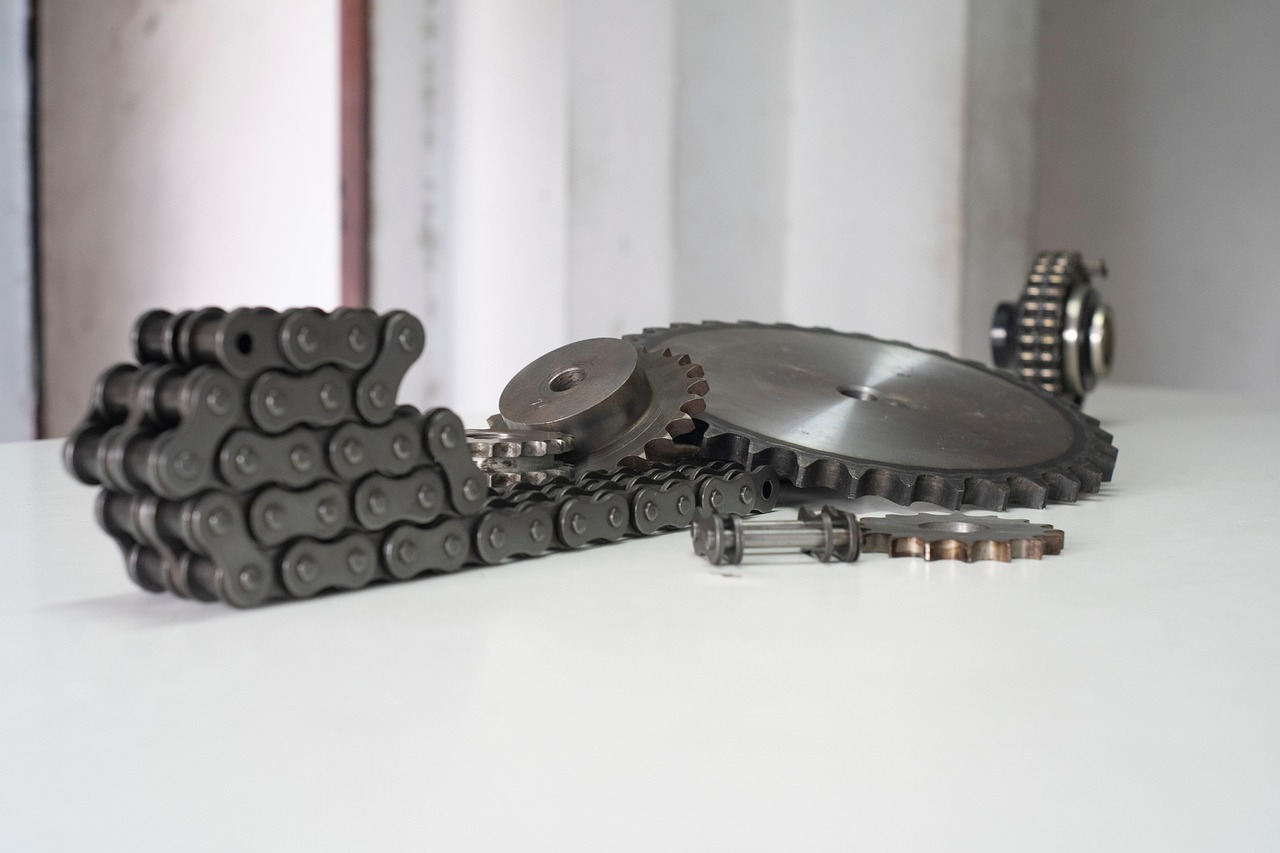
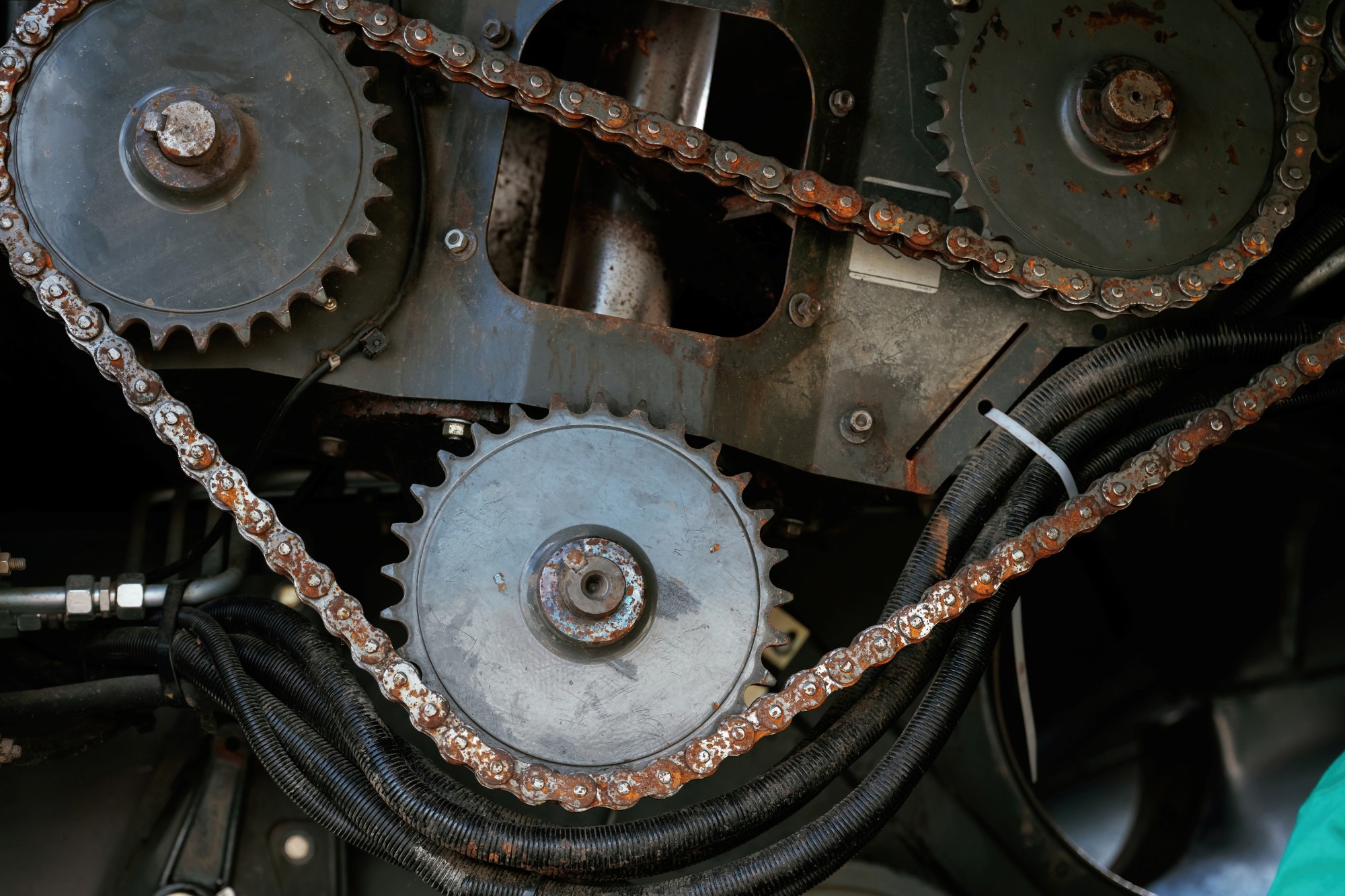
The timing chain synchronizes the crankshaft and camshaft so the engine’s valves open and close at the right time. In modern Audi engines, this system is often tucked at the back of the engine, which makes it harder (and more expensive) to access and service.
If the chain stretches or the tensioner fails, the engine’s timing can become off. That means valves might open at the wrong time, leading to misfires, rough running—or worse—engine damage due to piston and valve contact.
Common Signs of Timing Chain Problems
1. Rattling Noise on Startup
One of the most common symptoms is a rattling or clanking noise when starting the car, especially after it’s been sitting overnight. This often points to a failing chain tensioner that allows slack in the chain before oil pressure builds.
2. Check Engine Light
A stretched chain can throw off the timing enough to trigger the check engine light. Audi’s onboard computer will usually log timing correlation errors or camshaft position faults. At M & R Automotive, we can run a full diagnostic scan to confirm the issue.
3. Engine Misfires or Rough Idling
If the timing is off, the engine won’t run smoothly. Misfires, hesitation, or unusual vibrations may start showing up, especially under load or at idle.
4. Oil Sludge or Low Oil Pressure
Low oil pressure or contaminated oil can accelerate wear on the timing system. Some Audi engines are more prone to oil sludge buildup, which restricts flow and affects the chain tensioner’s operation.
5. Poor Performance or Stalling
In more advanced cases, the vehicle may feel underpowered, stall unexpectedly, or even refuse to start. This can happen if the timing is significantly off or if the chain has slipped.
Which Audi Models Are Affected?
While any internal combustion engine can experience timing issues, certain Audi models are more prone to premature timing chain failure, especially those with:
- 2.0T TFSI engines (common in A4, A5, Q5 from 2009–2016)
- 3.0T V6 engines (found in S4, S5, A6, Q7, and others)
If your Audi falls in this category and is approaching 70,000–100,000 miles, a timing chain inspection is a smart preventative move.
How M & R Automotive Fixes the Problem
We understand Audi systems inside and out. At M & R Automotive, we use advanced diagnostic tools to confirm timing faults and inspect chain tension. If repairs are needed, we use high-quality parts and perform the work with precision, replacing the timing chain, guides, tensioner, and any associated seals or components.
We’ll also inspect your oil system to make sure poor lubrication isn’t setting the stage for future problems.
📞 Concerned about your Audi’s timing chain? Don’t wait until it fails. Contact M & R Automotive in Menlo Park today for a diagnostic appointment. We proudly serve drivers throughout Palo Alto and the Peninsula with honest, expert Audi repairs that protect your engine—and your wallet.