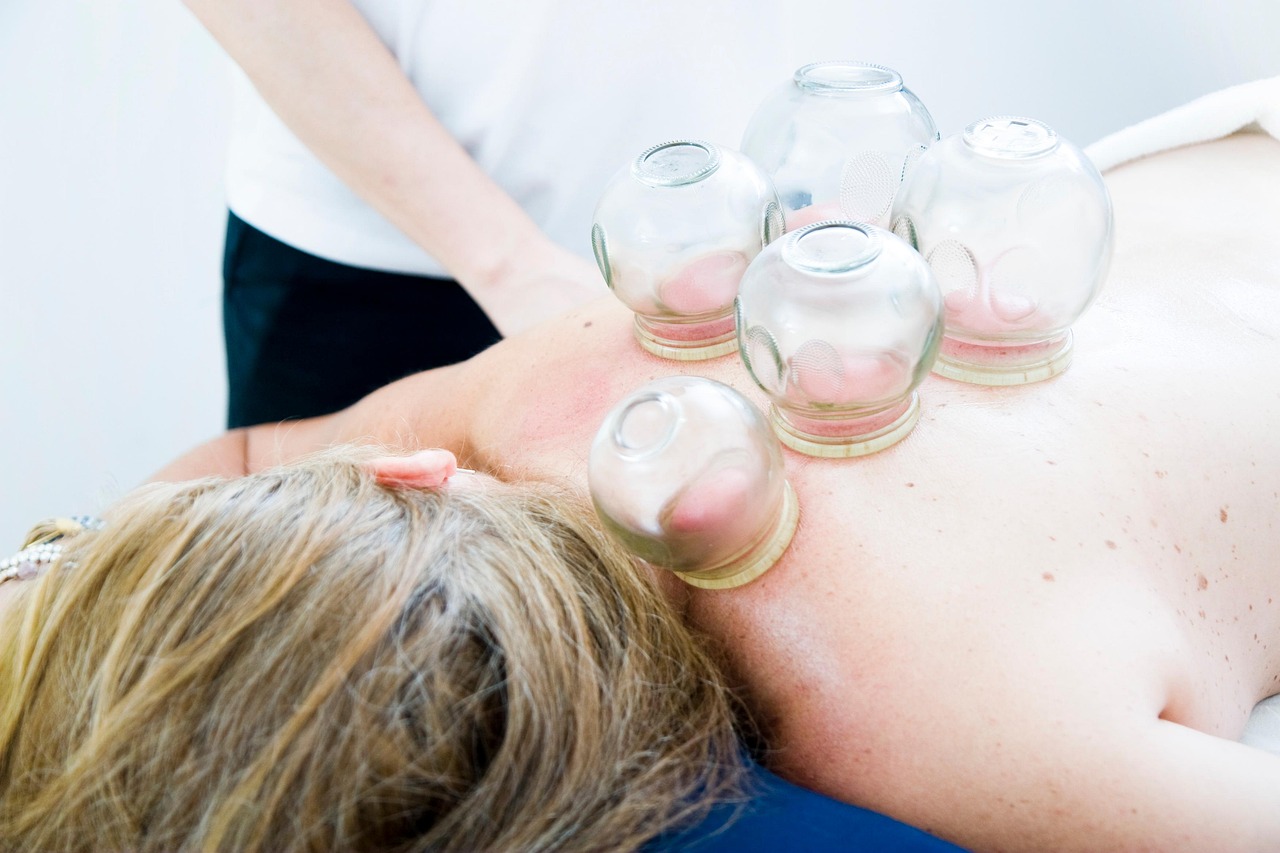
A few days into a layoff from a strained hamstring, you are cooking a smaller dinner, since the long rides are off the calendar for now. Round red marks from cupping still sit on the back of your thigh, and they fade in a week or two. That dinner is feeding the repair, because the new fibers in a strained muscle are built from the energy and protein you eat.
The rides stop, and the repair goes on every day. At Cambiati Wellness Programs in Lafayette, we work on that food side with athletes from Alamo through private nutrition consulting. Our nutritionists give you a dietary assessment and a personalized plan for the weeks you train less.
What Cupping Does At The Skin
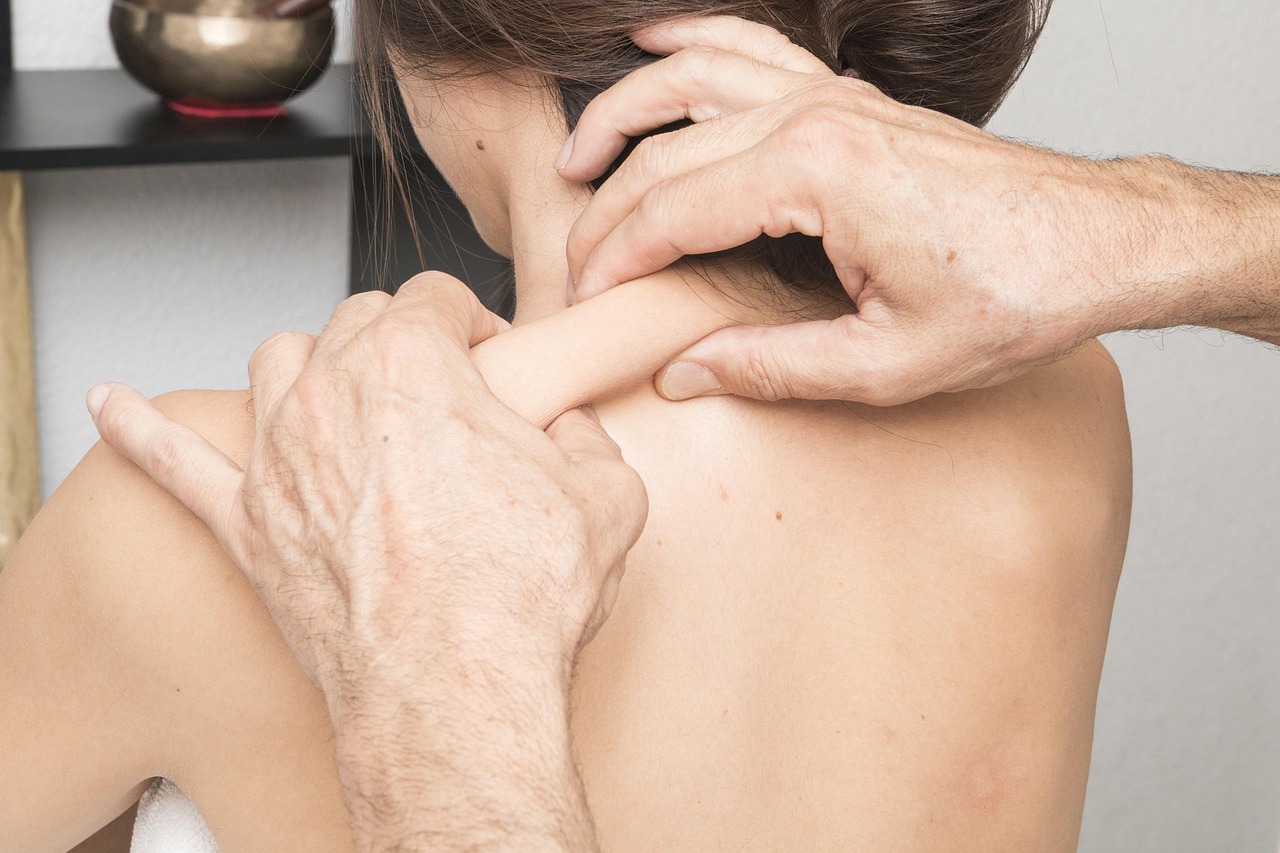
Acupuncturists, chiropractors, massage therapists, physical therapists and medical doctors can train to perform cupping. Those marks on your thigh come from dry cupping, where a practitioner places cups on your skin and works by suction alone. Wet cupping adds small cuts so blood flows into the cup, while dry cupping leaves the skin unbroken. In dry cupping, suction pulls your skin up into each cup and breaks tiny blood vessels under the surface, and those broken vessels leave the round red marks. The marks are not true bruises that injure the muscle fibers beneath them. Under the marks, the strain recovers on a timeline set by its grade.
A Strain Is Torn Fibers That Rebuild Over Weeks
A muscle strain is a tear in the muscle fibers, graded by how far the tear goes. With a mild strain, the fibers are stretched and pulled without tearing through, and the strain recovers within a few weeks. When some or most of the muscle is torn, the strain is moderate, and recovery takes several weeks to months. A severe strain is a muscle torn all the way through. Have a healthcare provider examine the muscle first if you felt or heard a pop when it was injured, or if you cannot move it. Do the same when the pain, bruising or swelling is severe.
Protein Holds Steady When Training Drops
Energy intake is the total calories you eat in a day, and the repair draws on it every day, rest days included. Your body's energy needs fall less than your training does, because the injury itself raises the energy you use. With less training, your calories still come down, and your nutritionist sets how far they fall in your plan. Cutting food too far leaves the repair short of the energy and protein it is built from, and your body builds new muscle protein more slowly. Protein is the building material, so the amount you eat should not drop, even as your calories come down. If an injured leg is kept still for a while, the muscle loses size and strength, mainly because the body builds less new muscle protein during that time.
Our nutritionists turn that plan into meals and cooking you use in an ordinary week. On a guided grocery shopping trip, a nutritionist walks the aisles with you and shows you the foods that fit the weeks you train less. Your nutritionist can also write the smaller dinners you cook at home into a meal plan, with your protein still on the plate.
Your Muscles Need Vitamin D To Move
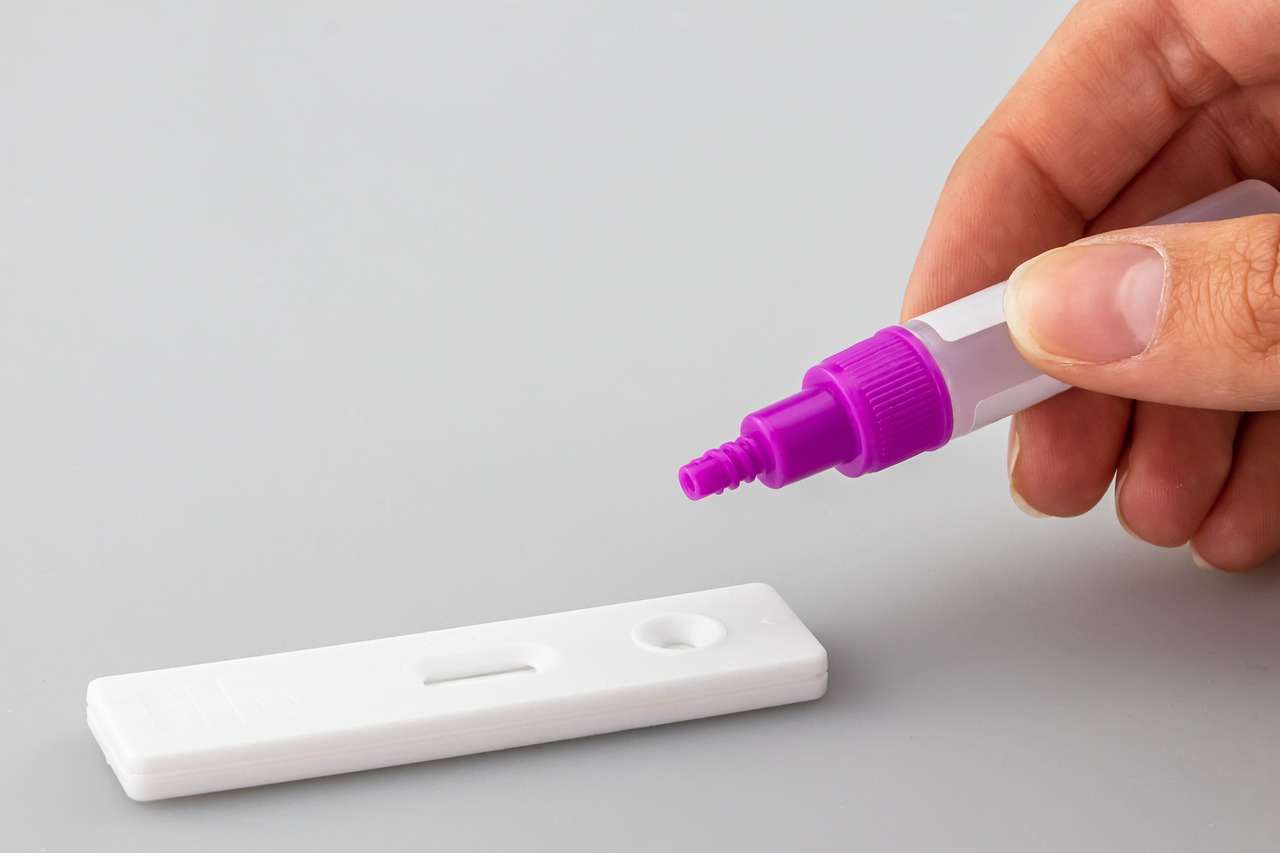
Muscles need vitamin D to move, and nerves need it to carry messages between your brain and your body. Moving a strained muscle again uses both, so your vitamin D level belongs in the recovery plan. Our nutritionists choose a functional lab test from your history and symptoms, then build your plan from the result. When a test shows your vitamin D level is low, we give vitamin D injections. Each shot goes into a muscle and takes roughly two to five minutes.
Before You Train Again
Your Breakthrough Session carries no cost, and a nutritionist uses it to hear your story, with the injury and the training around it, before anything is recommended. You leave with a plan for eating through the layoff and back into training. Call Cambiati Wellness Programs in Lafayette at (925) 280-4442 to set up your session.