Sore muscles hurt most one to three days after the workout that caused them, which is why stairs feel harder on the second morning than on the first. That ache is linked to tiny tears in muscle fibers pushed harder than usual, and it fades within about a week. Cold changes what you feel while it lasts, and the protein you eat in the days after the workout supplies the repair. At Cambiati Wellness Programs in Lafayette, our nutritionists build meal plans around that repair, and our cooking classes turn them into food you make at home.
You Feel It Most On The Second Morning
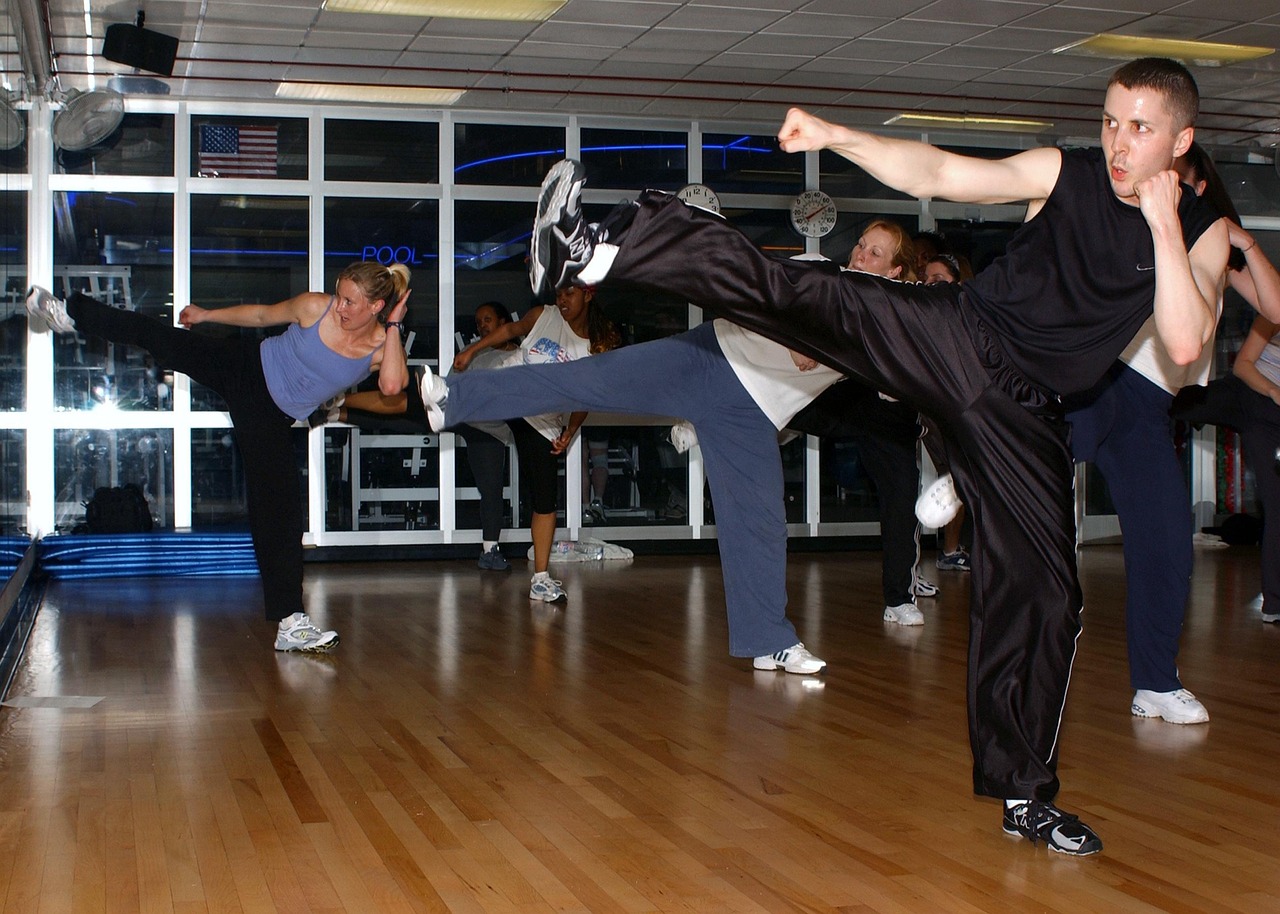
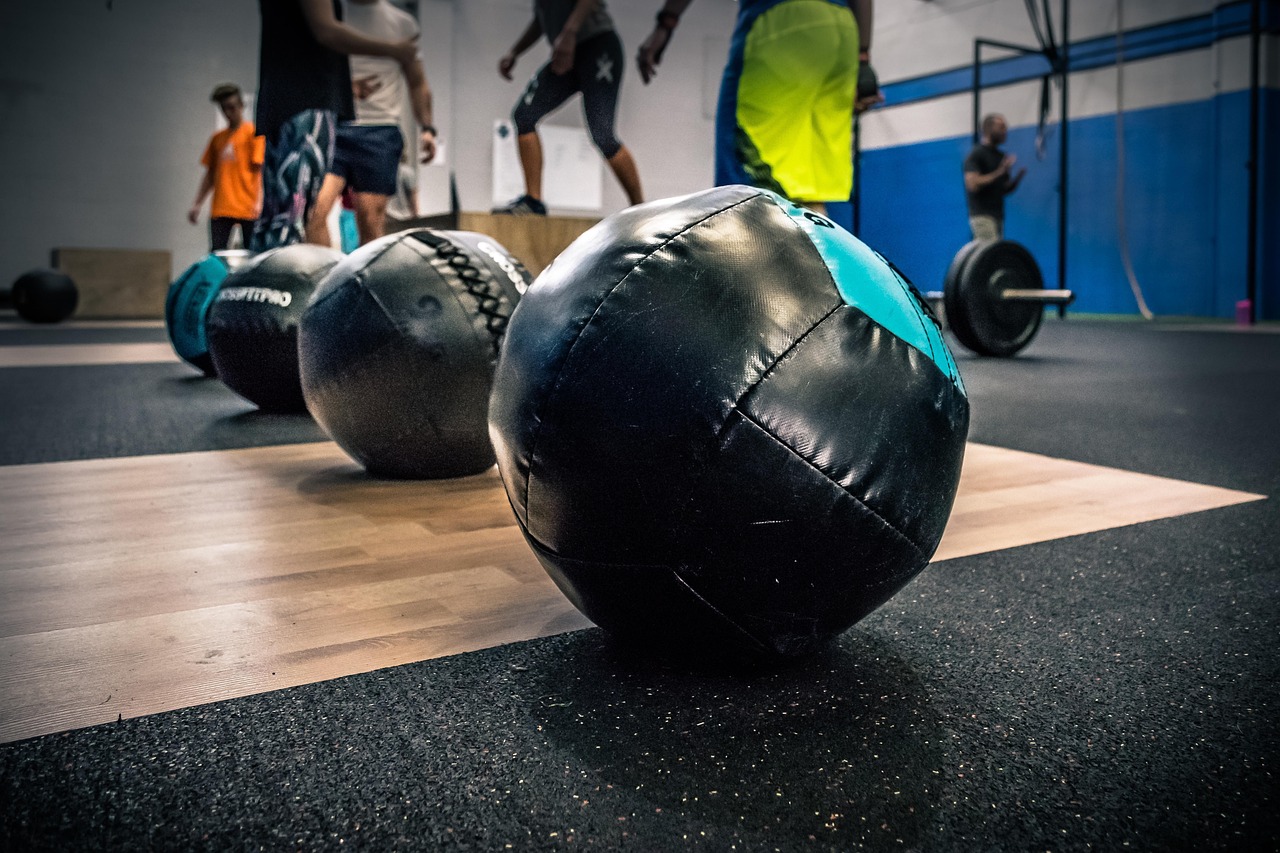
Setting a heavy weight down slowly is lowering work, and so is a run downhill, where your leg muscles brake with each step. In both, a muscle lengthens while it holds a load, and soreness comes especially after lowering work. A first week back at the gym or a longer route than usual brings it on too. Its medical name is delayed onset muscle soreness. It is a normal response to a new or harder workout, and it usually eases with rest within a few days. The stiffness on the second morning is your body repairing those fibers, and it is an expected part of pushing harder than usual.
You Feel A Duller Ache After The Cold
Whole-body cryotherapy means standing for two to four minutes in a chamber of extremely cold, dry air. Inside, the cold narrows the blood vessels in the cooled area. A cryotherapy session numbs the sore area and dulls the ache for a while. That numbing is why your legs feel easier on the walk to the car, while the torn fibers underneath are the same ones you brought into the chamber. Whether a chamber session lowers the soreness itself is still unsettled, and the evidence on it is thin.
You Build Size Between Sessions
An ice bath cools you with cold water instead of air. If you lift to build muscle, regular ice baths right after strength training reduce the gain in muscle size that the training builds over weeks. Whether a longer gap between lifting and the ice bath changes that is still unknown. With chamber sessions after training, strength gains hold up in the evidence so far, while their effect on muscle size has not been measured. Muscle size is new muscle protein, built between sessions from the protein you eat.
You Rebuild The Fibers At The Table
After a workout, your body rebuilds muscle protein from amino acids, and those amino acids come from the protein in your food. A solid serving of protein at each of your three meals supports more muscle building through the day than the same amount eaten mostly at dinner. That makes breakfast and lunch part of your recovery, alongside the meal right after the workout. For exercising adults, a solid serving of casein, the main protein in milk, eaten before bed supports muscle building through the night. Physically active people are able to meet their daily protein needs from whole foods.
Your muscles also store carbohydrate as glycogen, the fuel that hard training draws down. After a long run or a hard lifting session, carbohydrate refills that store, while protein eaten in the same meal supports the repair. When a second hard session comes later the same day, carbohydrate soon after the first one refills that store fastest.
Our nutritionists take your sleep and your training into account when they customize your meal plan. Your body does repair work during the deepest stage of sleep, so the nights after a hard session are part of recovery too. Our approach is food first, so your plan is built on whole foods. In our cooking classes, you learn to make the meals in that plan in your own kitchen. Those meals are built for an ordinary week of work and training, with no separate recovery diet to follow on top of them.
Recovery Meals For Your Training Week
Your recovery plan begins in a Breakthrough Session, which costs you nothing. A nutritionist hears how you train, and then customizes your meal plan around your training week. Call Cambiati Wellness Programs in Lafayette at (925) 280-4442 to start your recovery plan.