- Social Media Marketing: Effective Engagement with the audience on platforms like Facebook and Instagram.
- Email Marketing: Develop personalized email campaigns to contribute to lead nurturing.
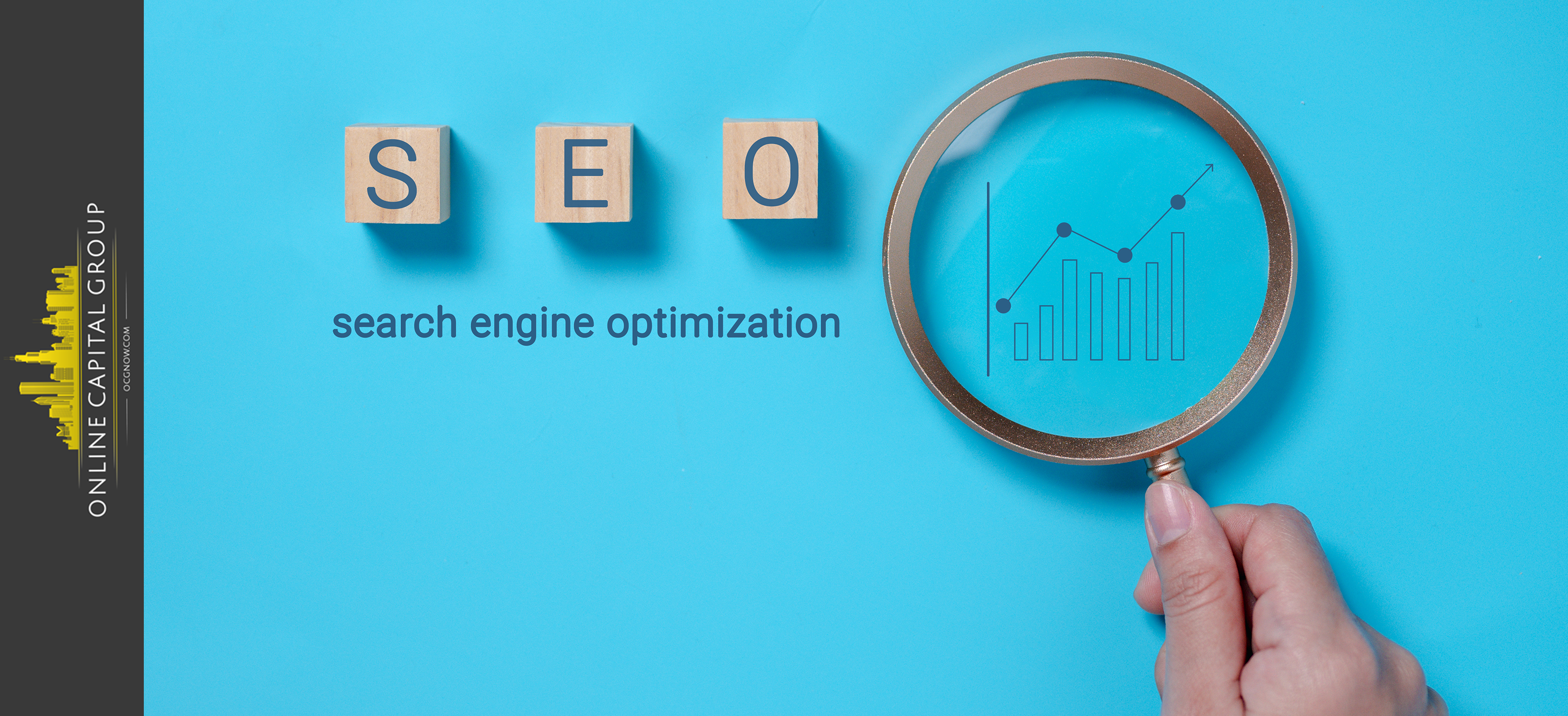
- SEO: The optimization of your website to rank well in search engines.
- Content Marketing: Create content that is valuable to say something to your audience.
- PPC Advertising: Pay for advertisements that drive traffic to your site.
Understanding Digital Media Marketing
Digital media marketing is both an art and a science of using digital channels to market products and services to consumers and businesses. It is made of various elements combined to enhance your online visibility. The following are some of the major strategies involved in Digital Media Marketing:Social Media Marketing
Platforms like Facebook, Instagram, and TikTok have emerged as strong channels to reach your target audience. This could be in the form of creating engaging posts for your target audience or running targeted ads, and with social media marketing, you will find yourself reaching out to potential customers where they are investing most of their time.Email Marketing
It could be a real game-changer once you reach your audience directly with personalized emails. The strategy renews relationships and keeps your brand top-of-mind with timely updates and promotions.SEO
SEO is short for Search Engine Optimization, where you optimize your content in ways that will bring better visibility to your website with a ranking on the search result pages. Organic traffic will improve, which will ease your prospects' ability to find their way more easily.Content Marketing
Deep content is at the core of value and relevance to your audience, trust, and authority. Good-quality content creation, from blog posts down to videos, would gain and sustain a well-defined audience.Pay-Per-Click Advertising
A model in which advertisers pay a fee each time one of their ads is clicked. It helps drive instant traffic to your site with measurable return on investment; hence, PPC is a must in any digital marketing campaign. These strategic measures are designed to cater to business needs and shall be customized in order to fit each individual requirement, besides contributing to online presence.The Benefits of Digital Media Marketing to Your Online Presence
Digital media marketing provides extensive coverage, surpassing what traditional methods typically achieve. By leveraging global networks, your brand is introduced to a diverse audience across various demographics and geographies. This connectivity is not subject to regular barriers, allowing you to reach potential customers anywhere in the world! Additionally, digital marketing offers cost efficiency. Unlike traditional TV and print channels, digital strategies like social media ads or email marketing present scalable solutions for any budget, benefiting both local startups and established enterprises without straining finances. One of the most appealing aspects is the ability to measure results. Digital platforms provide detailed analytics and metrics that offer insights into campaign performance. Key metrics include click-through rates, engagement rates, and conversion rates, allowing for strategy refinement to improve ROI. This ensures alignment with goals and readiness to adapt to changing market dynamics. Embracing these benefits significantly enhances online presence, laying a strong foundation for digital growth and success.Essential Strategies to Rebuild Your Online Presence via Digital Media Marketing
The digital media marketing landscape is dynamic. Before setting goals, ensure they are SMART: Specific, Measurable, Achievable, Relevant, and Time-bound. SMART goals guide you toward success by clearly delineating progress milestones. Instead of aiming for "more followers," specify a goal like "increase Instagram followers by 20% over three months," providing focus and measurable milestones.Know Your Audience
Understanding consumer behavior is crucial for successful marketing strategies. Knowing your audience's habits enables tailored campaigns that meet their needs and preferences. For instance, discovering that your target audience is more active on weekends can influence content scheduling decisions. Tools like Google Analytics help track user interactions with your content, informing strategic decisions.Choose the Right Social Media Platforms
Different social media platforms cater to unique demographics:- Facebook: Ideal for engaging a wide age range through community groups and pages.
- Instagram: Visual-heavy platform targeting younger audiences through images and stories.
- TikTok: Popular among Generation Z for creative storytelling and viral trends.
Appealing Content That Speaks to Your Audience
Unique and customized content shall be used to grab the attention of your audience and build a close rapport with it. It's beyond just mere words on a page; it narrates and sends messages that may speak right inside the hearts of your consumers. Knowing what moves them will be helpful in tailoring content that speaks to their wants, struggles, and aspirations. User-generated content is one of the most effective ways to add authenticity and relatability to your brand. Encourage your audience to share experiences with your brand; it will help build trust and community. This means not all about looking good, but substance and authenticity. When your audience finds reflections of themselves in your brand's story, they are most likely to participate and be loyal. Let that be a great foundation to the building of an online presence filled with real connections.Succeed in Digital Media Marketing by Leveraging Data
Understand the power of data analysis in honing your approach to digital media marketing. Dig deep into the data and unlock valuable insights that will bring more effectiveness and targeting to your campaigns. This means less guessing and more precision in reaching your audience. Key performance metrics to be used in evaluating your campaigns would mainly include engagement and conversion rates.- Engagement Rates: These may be tracked in terms of likes, shares, comments, and other forms of interactions that indicate interest and involvement.
- Conversion Rate: This is the ratio of visitors who perform an ultimate action, such as buying or subscribing to a newsletter.