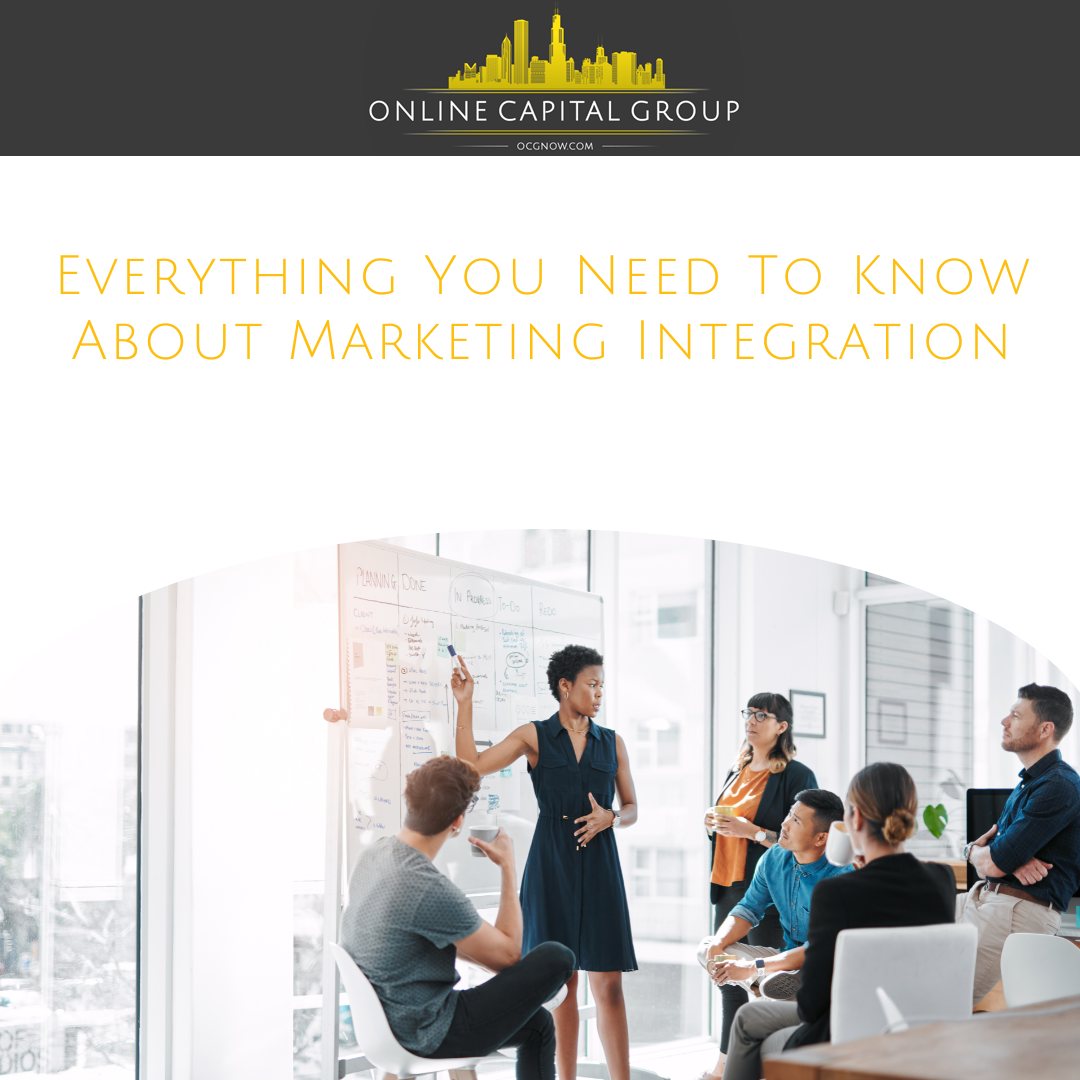
Ever wonder why your marketing efforts aren't producing the desired results? One possibility might point to a lack of marketing integration.
Marketing integration is the process of unifying all your marketing efforts across different channels to create a seamless and cohesive experience for your audience. If you do it the right way, your message will remain consistent and clear no matter where your audience sees it.
By combining various marketing channels, you align your goals, streamline your processes, and enhance your customer experience. This means that you need to coordinate your social media, email campaigns, and content marketing so they all have the same brand message.
What is Marketing Integration?
The goal of marketing integration is to create a seamless and consistent experience across all your marketing channels. Imagine your social media posts, email campaigns, and website content all working together to deliver a unified message. If you are successful in aligning your marketing efforts, your audience will receive the same engaging experience across your entire online presence. This communicates a strong brand identity as well as online presence management.
Key Components of Marketing Integration
To achieve successful marketing integration, you need to focus on several key components:
⦁ Unified Messaging: Ensure your brand’s message is consistent across all platforms. This means using the same tone, style, and messaging in social media posts, emails, and website content.
⦁ Cross-Channel Coordination: Coordinate your marketing efforts across different channels. For example, your email campaigns should complement your social media strategy and align with your website content.
⦁ Data Integration: Use data from all your marketing channels to view your audience’s behavior. This helps you make informed decisions and tailor your campaigns to meet your audience’s needs better.
⦁ Technology Integration: Use tools and platforms that allow seamless integration of your marketing channels. These could include marketing automation software, CRM systems, and analytics tools.
Benefits of Marketing Integration
The benefits of marketing automation are about as plentiful as the number of online assets you integrate! These include:
1. Increased Efficiency
One of the biggest advantages of marketing integration is increased efficiency. When your marketing channels are integrated, you eliminate duplication of efforts and streamline your processes. This saves time and ensures that your marketing campaigns are more effective.
2. Consistent Brand Message
A consistent message across all channels can strengthen your brand and build trust with your audience. When your customers get the same message, tone, and style on all platforms, your brand becomes stronger. This consistency creates a smooth and connected experience.
3. Better Data Insights
With marketing integration, you can gather and analyze data from all your marketing channels in one place. This way, you have a complete view of what your audience prefers and their behavior. Make smart decisions by using this information and customize your campaigns.
4. Enhanced ROI
Streamlining your processes, improving efficiency, and delivering a consistent message can lead to better results and a higher return on investment (ROI). This process helps in improving the impact your marketing efforts have on the audience and reach your business goals.
5. Improved Customer Experience
Marketing integration helps in delivering a seamless and engaging customer experience. By integrating multiple channels, your audience gets all the relevant information on time. This improves the overall experience that the customers have with your brand.
Strategies for Marketing Integration
Here are some strategies for effective marketing integration:
Cross-Channel Campaigns
You need to create marketing campaigns that include multiple channels, such as email, social media, and websites. Ensure that each channel complements the others and that the messaging is consistent.
Integrated Marketing Software
Use marketing automation tools and CRM systems that integrate various marketing channels. This software streamlines the entire process and ensures all the data is collected in one place so you can analyze it in a better way.
Customer Data Integration
Collect and integrate customer data from all touchpoints. For instance, website analytics, social media interactions, email campaigns, and in-store visits. When you have a unified view of your customers, you can better understand the customer behavior.
Feedback Loop
Establish a feedback loop where insights from customer interactions are shared across teams. This helps in continuously improving the marketing strategy and ensuring it meets customer needs.
How to Implement Marketing Integration?
Here’s a guide including some of the most basic steps our team of experts uses to help get our clients started with marketing integration:
1. Assess Your Current Strategy: Begin by evaluating your existing marketing efforts. Identify areas where your messaging is inconsistent or different channels are not aligned.
2. Set Clear Goals: Determine what you want to achieve with marketing integration. This could be improving brand consistency, increasing engagement, or boosting conversions.
3. Develop a Plan: Create a detailed plan outlining how you will integrate your marketing channels. This should include strategies for unifying your messaging, coordinating your campaigns, and leveraging data.
4. Choose the Right Tools: Select tools and platforms that support marketing integration. Look for solutions offering cross-channel analytics, automation, and CRM integration.
5. Train Your Team: Ensure your marketing team understands the importance of integration and knows how to use the tools and strategies you’ve implemented.
Hire Your Online Capital Group For Improving Your Marketing Integration
Ever feel like your marketing efforts are all over the place? This most likely means your brand’s reputation is as well! The team at your Online Capital Group can help. We have the ability and experience to bring all your marketing channels together, then continue to monitor and maintain it.
Our team consists of experienced marketers who will help you create a strategy to send a clear and consistent brand message to the audience. This way, your marketing can become much more efficient and impactful.
If you are in need of a free consultation,
contact us right away so we can begin to help take your marketing integration to the next level!
FAQs
How do I start with marketing integration?
You can start by assessing your current strategy. After that, set clear goals and develop a plan. Now, you need to choose the right tools and train your team accordingly. Lastly, regularly monitor and adjust your efforts to stay on track.
What challenges can I face in marketing integration?
Some common problems that you could face are coordination among different teams, maintaining a consistent brand message, and integrating customer data from sources. It can also be difficult to manage multiple marketing tools and platforms.
What’s the difference between marketing integration and traditional marketing?
Traditional marketing means using or posting different content on every platform. However, in marketing integration, you combine all the platforms and post the same content everywhere to keep the brand message clear and coherent.