 Digital marketing is a fast-paced, ever-changing field filled with technical jargon and acronyms. It is easy to become overwhelmed with which direction to take or which services you should invest in to support and grow your business. Just trying to keep up with all of the acronyms alone can be overwhelming for somebody new to the field. This article will go over some of the more common digital advertising acronyms and their meanings.
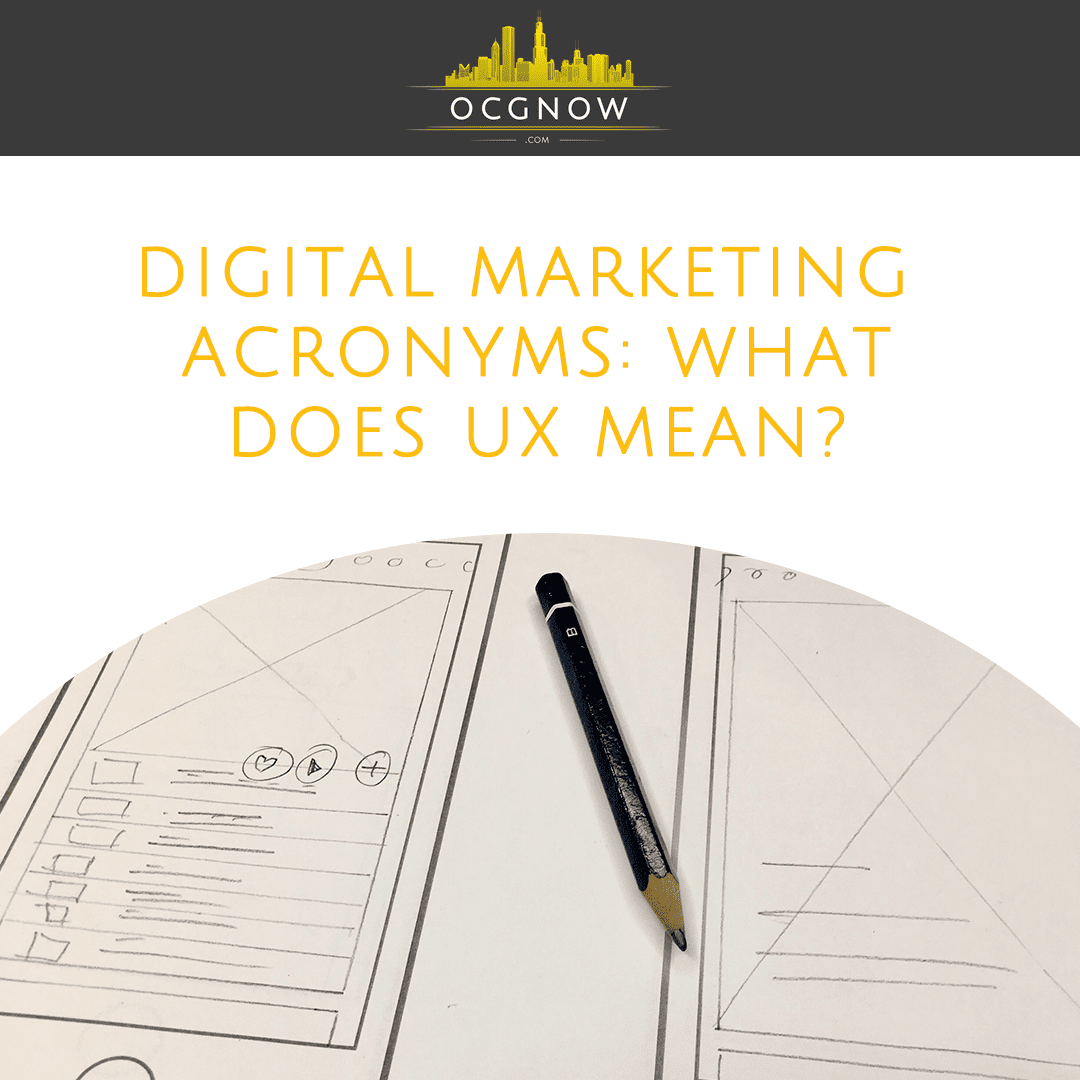
An ever increasingly-important acronym in digital marketing is UX. Perhaps you have seen it in regards to having a new website developed or what it takes for your website to attract new visitors. UX stands for User Experience, which references just what it says. It brings questions about how the users of your site interact with your business, specifically shedding light on the quality of the experience they are having.
Digital marketing is a fast-paced, ever-changing field filled with technical jargon and acronyms. It is easy to become overwhelmed with which direction to take or which services you should invest in to support and grow your business. Just trying to keep up with all of the acronyms alone can be overwhelming for somebody new to the field. This article will go over some of the more common digital advertising acronyms and their meanings.
An ever increasingly-important acronym in digital marketing is UX. Perhaps you have seen it in regards to having a new website developed or what it takes for your website to attract new visitors. UX stands for User Experience, which references just what it says. It brings questions about how the users of your site interact with your business, specifically shedding light on the quality of the experience they are having.
What Is UX Design And Why Is It Important
An overall experience a user has when interacting with your service or product, including webpages, mobile applications, and software, is referred to as their user experience, or UX. It includes all aspects of a user's interaction, such as emotions, perceptions, and reactions. A positive user experience can mean the difference between a successful customer conversion versus one that fails to meet their needs and secure a sale. Designers can develop digital assets for businesses that are simple to use, and designed to effectively engage users by concentrating on their consumer experience. When done with professional experience, the results can mean an increase in user satisfaction and retention.The Fundamentals of UX Design
- User-centered Design:
What Are Some Ways To Enhance My UX Design?
Improving UX design requires a holistic approach that takes into account numerous factors. Here are just a few important steps that can be taken while working to improve the user experience:- Conduct user testing: To recognize how and where would be effective to enhance the UX, it's critical to conduct a user study to gain perspectives into your target audience's needs, behaviors, and desires.
- Design should be simplified: A user-friendly design is necessary for a positive user experience. Remove extraneous elements, simplify navigation, and ensure that interface is simple to understand and use.
- Make your brand experience consistent: The importance of consistency in developing a good user experience cannot be overstated. Verify that your product's visuals, as well as branding, is consistent among all points of contact.
- Improve performance: A favorable user experience requires quick loading times and supportive interactions. Optimize the performance of your product to ensure that it operates quickly and efficiently.