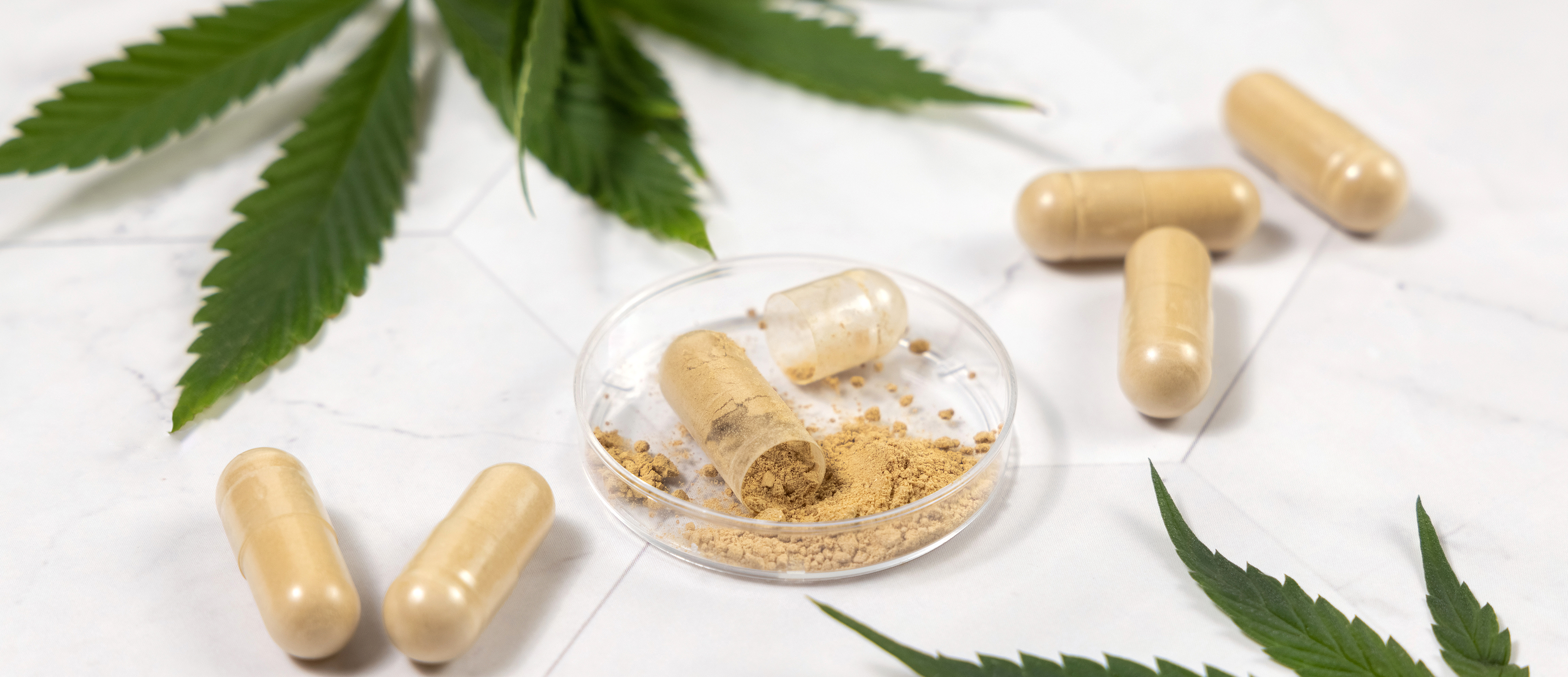
 Should plants be cultivated to produce antibiotic compounds? This very fundamental question has been in the peripheral of our understanding of both cannabinoids and the term "antibiotic."
A new dimension of cannabinoids has recently been opened by researchers in terms of possibly being a new class of antibiotics. These natural compounds, including the best-known CBD, were the talk of the town in wellness circles because of their wide range of health applications.
It's a major accomplishment in cannabis antibacterial and antiviral effects research. One can see scientists have finally unearthed that cannabinoids act on harmful bacteria differently compared to regular antibiotics. This new avenue could, therefore, be used to fight antibiotic resistance, which is an increased health concern all over the globe.
We at High Forest ReLeaf are thrilled to spread the news of cannabinoids' newfound appeal for potential therapeutic properties! With more and more unfolding, the cannabis-to-bacteria-defense mechanism path offers a fascinating field of research that could change how we see natural wellness.
Should plants be cultivated to produce antibiotic compounds? This very fundamental question has been in the peripheral of our understanding of both cannabinoids and the term "antibiotic."
A new dimension of cannabinoids has recently been opened by researchers in terms of possibly being a new class of antibiotics. These natural compounds, including the best-known CBD, were the talk of the town in wellness circles because of their wide range of health applications.
It's a major accomplishment in cannabis antibacterial and antiviral effects research. One can see scientists have finally unearthed that cannabinoids act on harmful bacteria differently compared to regular antibiotics. This new avenue could, therefore, be used to fight antibiotic resistance, which is an increased health concern all over the globe.
We at High Forest ReLeaf are thrilled to spread the news of cannabinoids' newfound appeal for potential therapeutic properties! With more and more unfolding, the cannabis-to-bacteria-defense mechanism path offers a fascinating field of research that could change how we see natural wellness.
Understanding Cannabinoids and How They Work
Cannabinoids are natural plant compounds found in cannabis. Each cannabinoid has somewhat distinct effects and interacts in different ways with biological systems. Scientists are especially interested in researching cannabinoids since they can be used as new antibiotics.Major Cannabinoids and Their Properties
CBD (Cannabidiol): A non-psychotropic cannabinoid with reported medicinal uses CBG (Cannabigerol): A bioactive cannabinoid with promise against drug-resistant bacteria. What is unusual about cannabinoids over other drugs is the manner in which they act upon bacterial cells. Most antibiotics target a single mechanism by which to kill the bacteria, but cannabinoids have a more general approach. They can target a variety of processes within the bacteria simultaneously.The Science Behind Bacterial Interaction:
- Cannabinoids insert themselves into the lipid bilayer of bacterial cells
- This insertion increases membrane permeability
- The disrupted membrane integrity causes cellular contents to leak
- Bacteria function like tiny batteries, maintaining specific charge balances
- Due to disturbances in these membranes, cannabinoids effectively "discharge" these bacterial batteries.
- This mode of action is especially potent against bacteria because the bacteria are unable to maintain certain essential internal conditions. They need very precise water and salt concentrations in their internal environment to stay alive. Cannabinoids disrupt these finely tuned balances by compromising the cell membranes, leading to bacterial death.
- The potential of cannabinoids and their action against bacteria are still being investigated in ongoing research.
- Traditional Antibiotics vs. Cannabinoids
- Traditional antibiotics operate in only three ways against bacterial infections:
- Cell Wall Disruption: Antibiotics like penicillin disrupt the integrity of the cell walls of bacteria, the protective barrier around bacteria
- RNA Synthesis Interference: These antibiotics prevent bacteria from making protein by interfering with RNA production
- DNA Synthesis Blockage: These antibiotics prevent bacterial reproduction by interfering with DNA synthesis
How Cannabinoids Work
Cannabinoids present a revolutionary approach to fighting bacteria. Unlike traditional antibiotics, these compounds work through multiple mechanisms simultaneously:- Disrupt bacterial cell membranes
- Interfere with DNA/RNA synthesis
- Impact bacterial metabolism
- Affect cellular processes
Potential Benefits of Cannabinoids
The studies suggest that this working via multiple mechanisms could make resistant bacteria develop resistance less readily compared to single-mechanism antibiotics. Thus, cannabinoids are especially promising in fighting the more dangerous antibiotic-resistant bacterial strains.How Cannabinoids Affect Bacteria
Cannabinoids interfere at a cellular level with multiple fascinating antibacterial mechanisms. These substances serve as tiny bacteria killers and destroy all functioning aspects of bacterial life all at once.Disruption of Membrane Process
Cannabinoids are lipophilic; meaning they are attracted to fats. This property enables cannabinoids to directly insert themselves into bacterial cell membranes. Think of bacteria as tiny batteries holding a charge inside and outside. When cannabinoids interfere with this mechanism, they puncture the bacterial membrane, and the cellular contents leak out.Effectiveness Against Different Bacteria Types
Gram-positive bacteria are especially susceptible to cannabinoid treatment because of the comparatively easier cell wall structure. Single-layered organization of these bacteria makes them even more susceptible to cannabinoid penetration than gram-negative bacteria with their double defense.CBD's Role in Bacterial Control
CBD shows remarkable abilities in stopping bacterial growth by:- Disrupting DNA synthesis
- Interfering with RNA production
- Impairing cell division processes
- Affecting efflux pumps that bacteria utilize to expel antibiotics
CBG: A Powerful Antibacterial Agent
Potent against antibiotic-resistant bacteria, CBG, for example, is effective against MRSA. It affects bacterial cytoplasmic membranes and inhibits cell division, thus enabling it to become one of the most sought-after compounds against difficult infections which do not respond to classical antibiotic treatments. By action and mechanism, cannabinoids undergo a simultaneous interplay to fight bacteria, opening novel antimicrobial pathways.Cannabinoids as Antivirals
Punjab University is engaged in cutting-edge research on the antiviral capacity of CBD. CBD is a strong inhibitor of viral entry into cells by blocking ACE2 receptors engulfed by viruses like COVID-19 for their entry into cells. And here are the remarkable findings of the study:- CBD reduces viral protein production by up to 90%
- Blocks key cellular entry points (ACE2 receptors)
- Shows promise in both prevention and treatment
Medical Importance and Legal Hurdles
With such a field as medical research, there is a significant temporal gap between scientific progress and legal regimes regulating cannabis use. The Schedule I status of cannabis under the Controlled Substances Act implies that cannabis carries "no medical utility" and is unsafe under medical supervision. In other words, while mounting clues point to cannabinoids as potentially very effective antibiotics, their legal status artificially impedes their full medical treatment and research potential.Cannabinoids' Antibiotic Properties Challenge Legal Classifications
The fact that cannabinoids possess antibiotic properties directly defies present-day legal categorizations. Traditional antibiotics, which have one mode of action, stand in opposition to cannabinoids, which combat bacteria by employing numerous modes - something that may revolutionize antibiotic medications.Learning Holes in Medical Knowledge about Cannabinoids
Medical education has a colossal learning gap regarding cannabinoids. Few medical schools offer a cannabis science course in the curriculum, and future physicians may not be instructed formally about the mechanism and therapeutic effects of cannabinoids. Most physicians are not familiar with the possible medicine of cannabis as a class of antibiotics despite the expanding scientific evidence for its effectiveness. This deficit is one reason for the chasm between new science and practice, ultimately affecting patient care and constraining the integration of cannabinoid therapy into mainstream medicine. These educational gaps are a consequence of regulatory restrictions that constrain research and clinical use. When patients raise cannabinoid antibacterial activity with physicians, they often meet with incredulity - underscoring the gap between medical education and scientific advancement.The Impact of Research and Regulation Conflict on Healthcare
The clash between research and regulation creates a challenging environment for clinical trial conduct, establishment of medical protocols, and application of new treatments. This friction does not only obstruct the teaching of healthcare providers, who very often receive little updated information on new therapies, including those involving cannabinoids but also restricts patient access to treatments, which could be of potential benefit. This means the continuous strife between scientific advancement and the regulatory framework results in delays in the integration of new therapeutic measures into standard medical care, all of which combine to result in fewer channels for improving patient outcomes. This calls for a review of the current cannabis classifications so that they may be aligned more closely with scientific evidence and allow for possible medical applications.Beyond Antibiotic Effects-Benefits of CBD Products
CBD products offer many wellness benefits besides antibacterial effects. At High Forest ReLeaf, we pride ourselves in offering a wide assortment of quality CBD options: CBD Oils & Tinctures: Sublingual drops for fast absorption CBD Gummies: Tasty, pre-measured doses for consistent intake Topical Applications: Creams and balms for targeted relief Lab-Tested Products: Every product is tested to ensure quality, purity, and potencyHow CBD Can Help Your Well-Being
Based on current research, CBD may be able to support your everyday well-being by at least the following mechanisms of action:- Pain Management: Natural relief from chronic discomfort and inflammation
- Anxiety Reduction: Promotes calmness and mental clarity
- Sleep Enhancement: Supports healthy sleep cycles and restful nights
- Mood Regulation: Helps balance emotional well-being
- Stress Response: Assists in managing daily pressures
Choose High Forest ReLeaf
Scientific research shows cannabinoids have the potential to act as antibiotics that fight bacteria in several ways, unlike traditional antibiotics that fight bacteria through a single mode of action. They interfere with the bacterial cell membrane, inhibit DNA and RNA synthesis, and have shown promise against resistant strains such as MRSA. Cannabinoids also block the entry of viruses into cells and suppress viral protein synthesis by 90%. The ever-expanding body of research suggests the use of cannabinoids to treat diseases in the near future. You should certainly discuss this with your healthcare provider to find if cannabinoids benefit your health. At High Forest ReLeaf, we are here to help you find the best CBD products that are laboratory-tested and quality-controlled. Ready to experience the natural benefits of CBD?- Visit our store to browse our selection of oils, tinctures, gummies, and topicals
- Call us at (931) 253-1991 for personalized product guidance
- Let us help you find the perfect CBD solution for your needs