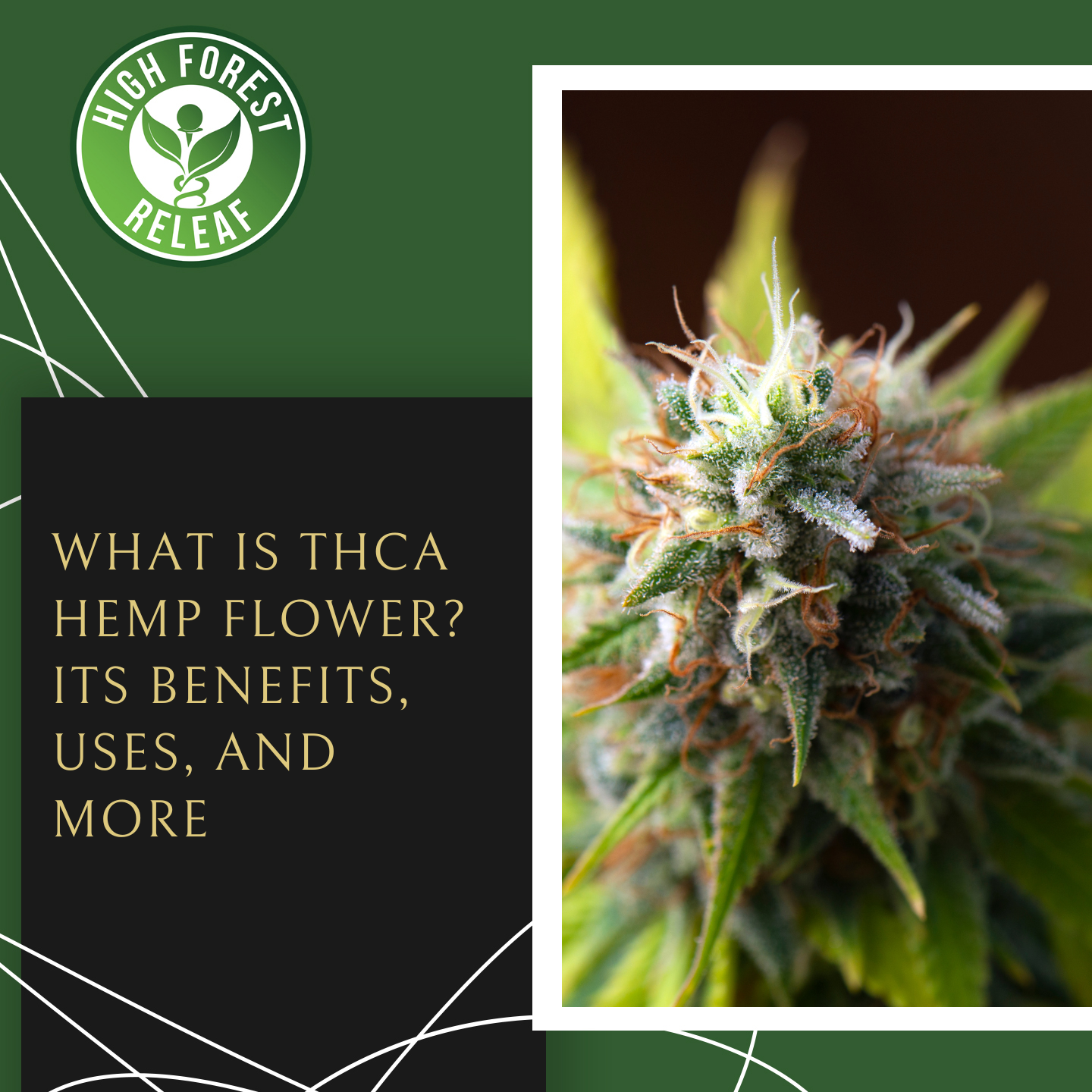
The THCA hemp flower is a part of the cannabis plant that contains the highest concentration of THCA (tetrahydrocannabinolic acid) compared to other parts. Although marijuana and hemp are varieties of the same cannabis species, they belong to different subspecies: marijuana is typically indica, while hemp is sativa.
Marijuana is not legal in many regions, but hemp is legal in the United States and is readily available online. Both have distinct medicinal benefits, and the effects you experience depend on how you consume them—whether you seek therapeutic benefits or aim to achieve a high.
The potential benefits the flower provides are that it reduces inflammation, which may relieve arthritis symptoms, gives relief from nausea, and has neuroprotective properties. However, more research is needed to understand its potential fully.
This article will cover everything you need to know about THCA hemp flower, including its uses and benefits.
THCA Hemp Flower
THCA hemp flower contains high levels of tetrahydrocannabinolic acid (THCA), with concentrations reaching up to 25%, while maintaining THC levels compliant with hemp regulations, remaining below 0.3%.
Unlike psychoactive Delta-9 THC, THCA is non-psychoactive in its raw form and is valued for its potential therapeutic benefits. However, when the hemp flower is heated, THCA is converted into THC, resulting in a psychoactive experience similar to that of federally restricted marijuana.
Benefits of THCA Hemp Flower
THCA hemp flower provides multiple benefits but still more published research is needed to prove the claim. Below are the unique properties that contribute to its therapeutic potential.
1. Health Benefits of THCA Hemp Flower
⦁ Anti-Inflammatory: THCA (tetrahydrocannabinolic acid) in hemp flowers has shown potential in reducing inflammation. This can be beneficial for conditions such as arthritis or other inflammatory disorders.
⦁ Neuroprotective: Research suggests that THCA may have neuroprotective properties, meaning it could help protect the brain and nervous system from damage or degenerative conditions. This could be beneficial for conditions like Parkinson's disease or Alzheimer's.
⦁ Anti-Nausea: THCA has been studied for its potential anti-nausea effects. It might help reduce nausea and vomiting, which can be particularly useful for individuals undergoing treatments like chemotherapy.
2. Non-Psychoactive Properties of THCA Hemp Flower
THCA is a non-psychoactive compound. This means it doesn't produce the "high" associated with cannabis use. This makes THCA hemp flower a preferable option for those seeking therapeutic benefits without the psychoactive effects.
3. Potential Therapeutic Applications
⦁ Pain Relief: Due to its anti-inflammatory and neuroprotective properties, THCA could be explored as a treatment for various types of pain, including chronic pain conditions.
⦁ Mood Regulation: THCA may have mood-stabilizing effects, potentially helping with mood disorders like anxiety or depression, although more research is needed to confirm these effects.
⦁ Appetite Stimulation: Similar to THC, THCA may have appetite-stimulating properties, which could be useful for individuals with appetite loss due to medical conditions or treatments.
Uses of THCA Hemp Flower
We can use THCA hemp flower in many ways, which are mentioned below:
Consumption Methods
Raw Consumption
THCA hemp flower can be consumed raw, often as part of a raw cannabis diet. When eaten raw, THCA remains in its acid form and does not produce psychoactive effects. This method preserves the full spectrum of THCA’s potential health benefits.
Smoothies and Juices
Another popular method of consumption is adding THCA hemp flower to smoothies or juices. This allows individuals to incorporate THCA into their diet easily while potentially gaining its health benefits in a more palatable form.
Vaping
Vaping THCA hemp flower at lower temperatures helps preserve THCA and minimize conversion into THC. While this method aims to deliver THCA’s benefits without significant psychoactive effects, some THC conversion may still occur depending on the temperature and duration of heating.
Smoking
Smoking THCA hemp flower involves heating, which causes decarboxylation, converting THCA into THC. While smoking does convert most of the THCA to THC, not all of it may be converted due to the high heat and short duration.
Some THCA might remain unconverted, and the process can also destroy some cannabinoids. However, smoking is generally effective for experiencing THC’s psychoactive effects.
Topical Applications
Creams and Balms
THCA can be infused into topical products such as creams or balms. When applied to the skin, THCA may offer localized relief for inflammation or pain without affecting the central nervous system. This method is often used for targeted relief in areas of discomfort.
Infusions and Tinctures
Infusions
THCA can be infused into salads as a dressing. These infusions are a convenient way to incorporate THCA into your diet and gain its potential therapeutic benefits without getting high.
Tinctures
Tinctures are concentrated liquid extracts of THCA that can be taken sublingually (under the tongue). This method allows for precise dosing and rapid absorption, making it a popular choice for those seeking therapeutic benefits.
Buy THCA Hemp Flower from High Forest ReLeaf: Your Trusted Source
THCA hemp flower offers a range of potential therapeutic benefits while maintaining non-psychoactive properties.
At High Forest ReLeaf, we provide a diverse selection of THCA products, including edibles, flowers, tinctures, and creams. Our offerings also extend to a wide array of THC and CBD products, catering to both human and pet health.
Discover our quality products designed to support your well-being. Contact us today at
(931) 253-1991 or visit our website to explore our full range of options.
FAQs
Can THCA hemp flower cause a high?
THCA hemp flower itself does not cause a high because THCA is non-psychoactive. However, when heated, it can convert to THC, which is psychoactive and can produce a high.
What is THCA used for?
THCA is used for its potential health benefits, including anti-inflammatory, neuroprotective, and anti-nausea properties. It's often consumed in raw cannabis or added to smoothies and juices for wellness purposes.
Is smoking THCA safe?
Smoking THCA is not considered safe. When heated, THCA transforms into THC, the psychoactive substance in cannabis, which can negatively impact lung health and overall well-being.