The Porsche 911 is iconic for its power, handling, and precision engineering. Every component contributes to the driving experience—but few systems impact safety and performance as directly as the brakes. While pads and rotors often get the most attention, brake fluid condition and proper brake system calibration are just as critical. At German Car Service, we help Hayward drivers understand the role these elements play in maintaining reliable stopping power and vehicle control.
Why Brake Fluid Is So Important
Brake fluid is the hydraulic force that makes braking possible. When you press the pedal, pressure travels through the brake lines, activating the calipers. Over time, brake fluid absorbs moisture from the air. Once moisture enters the system, the boiling point drops dramatically, reducing braking efficiency during hard use—something Porsche owners experience more often, given the vehicle’s high performance.
Old or contaminated brake fluid can lead to:
- Soft or spongy brake pedal feel
- Longer stopping distances
- Overheating and brake fade
- Corrosion inside brake components
Because the Porsche 911 is engineered for exceptional performance, maintaining fresh, high-quality brake fluid is essential for safe driving and predictable pedal response.
The Role of Brake Calibration in a Porsche 911
Brake calibration ensures that all parts of the braking system work together as designed. Modern Porsche models use advanced electronics that monitor pedal pressure, brake distribution, vehicle stability, and driver input. When calibration is off, braking may feel inconsistent, or the vehicle may not respond correctly under heavy load.
Proper calibration ensures:
- Even brake pressure across all four wheels
- Smooth ABS engagement
- Accurate traction and stability control response
- Predictable stopping performance during spirited driving
Calibration issues often stem from worn sensors, uneven pad wear, software faults, or hydraulic pressure imbalances. Addressing these concerns early protects both your brakes and your vehicle’s advanced electronic systems.
Warning Signs You Need Brake Fluid Service or Calibration
Porsche 911 drivers should look out for:
- Soft or sinking brake pedal
- Increased stopping distance
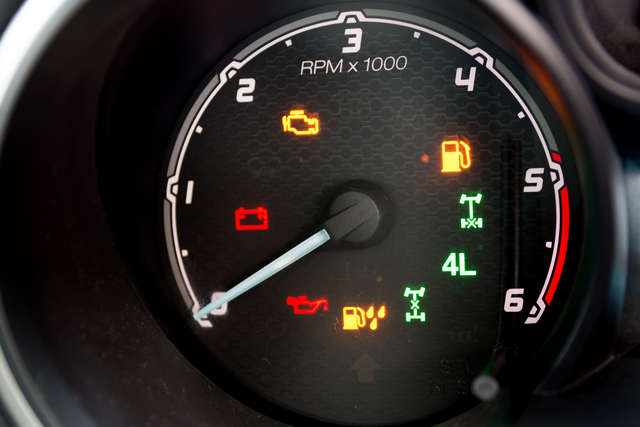
- ABS or brake system warning lights
- Pulsation or vibration during braking
- Uneven pad wear
- Burning smells after spirited driving
Any of these signs indicates it’s time for a brake inspection. Ignoring early symptoms can lead to caliper damage, warped rotors, or hydraulic failure—repairs that are far more expensive than routine maintenance.
How We Service Porsche 911 Brake Systems
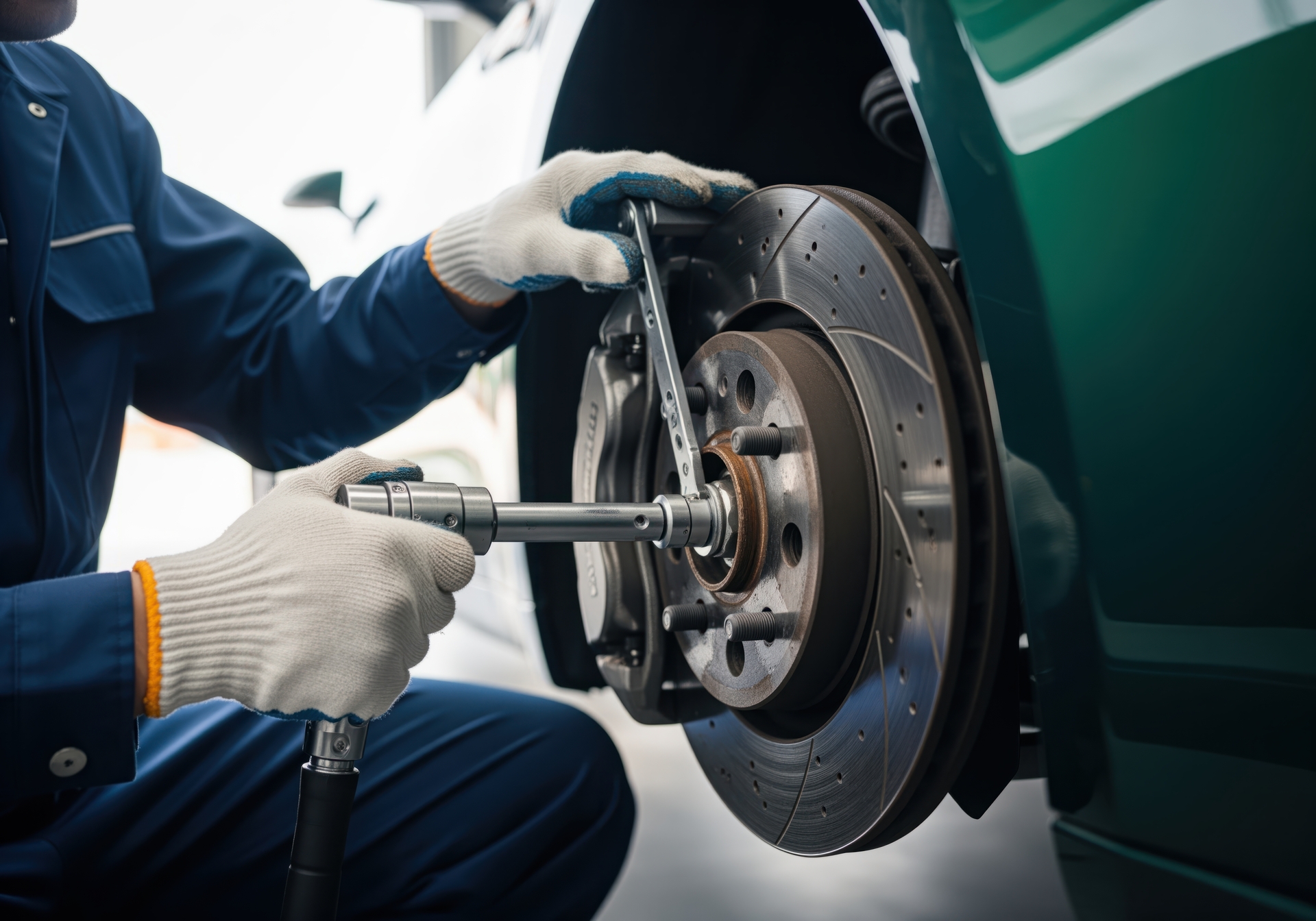
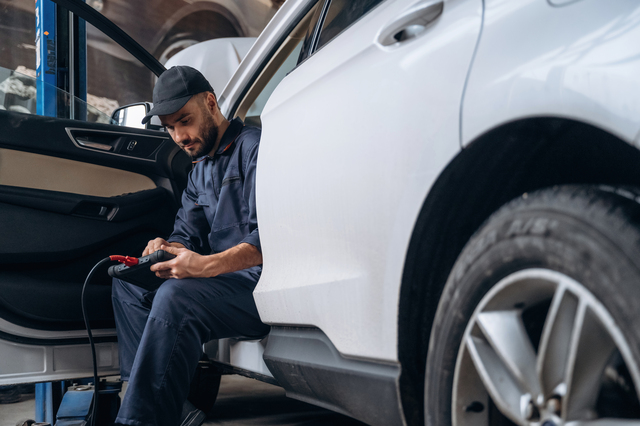
At German Car Service, we specialize in European performance vehicles and use advanced diagnostic tools to evaluate brake pressure, fluid condition, and electronic calibration. Our brake service includes:
- Complete brake fluid flush and replacement with high-performance fluid
- Inspection of calipers, lines, pads, and rotors
- Testing and recalibration of ABS, traction control, and electronic brake distribution
- Road testing to verify pedal response and stopping accuracy
We follow Porsche factory guidelines to ensure consistent, predictable braking in all conditions.
Keep Your Porsche Performing at Its Best
Routine brake fluid service every two years—combined with periodic calibration checks—helps preserve the performance and safety standards Porsche owners expect. Whether you drive your 911 daily or enjoy weekend spirited runs, proper brake maintenance ensures maximum control and confidence behind the wheel.
Schedule Your Porsche 911 Brake Service Today
If you’re in Hayward and notice changes in braking performance, contact German Car Service today. Our technicians will inspect, service, and calibrate your Porsche 911’s braking system to restore the sharp, responsive feel your vehicle was built to deliver.