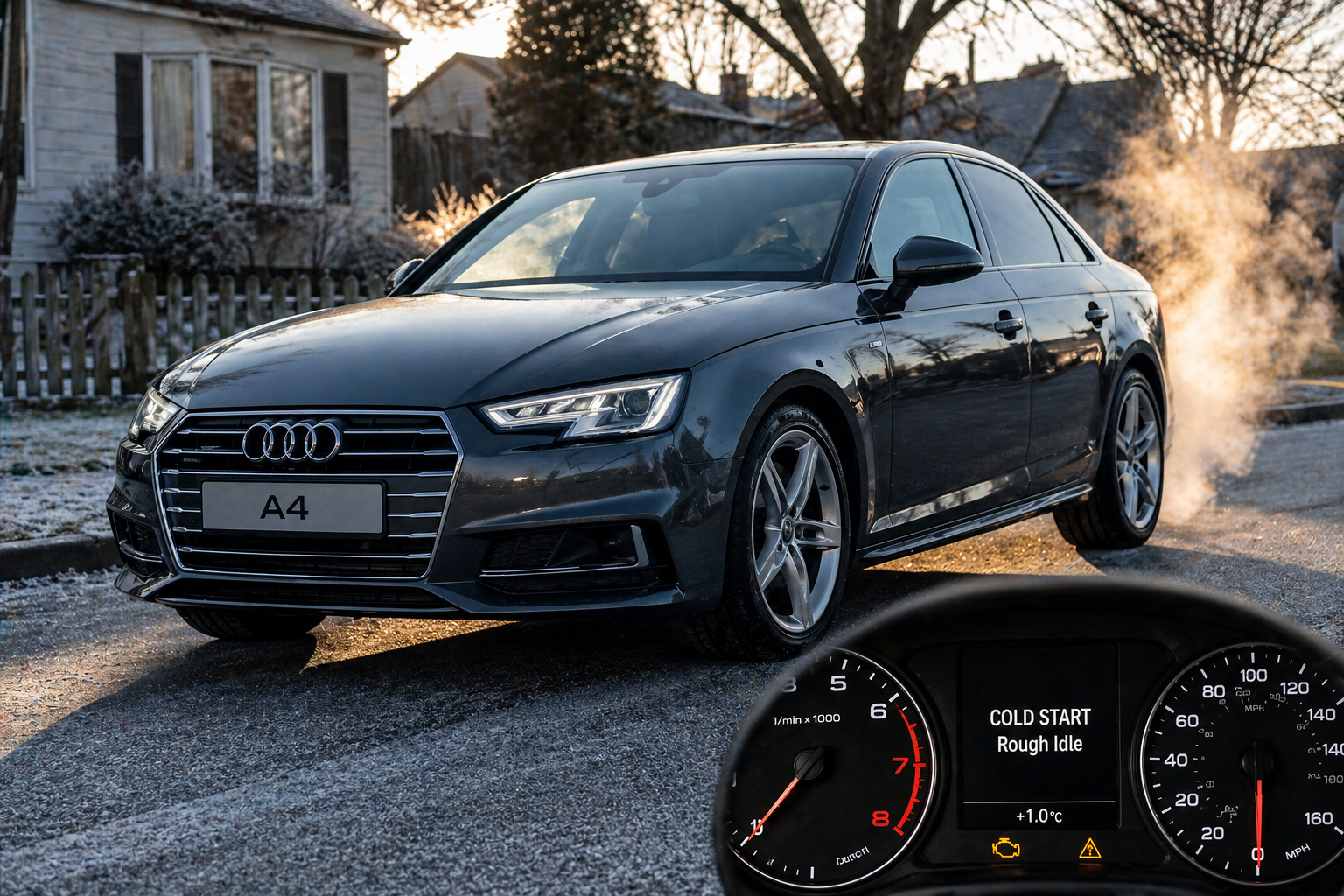
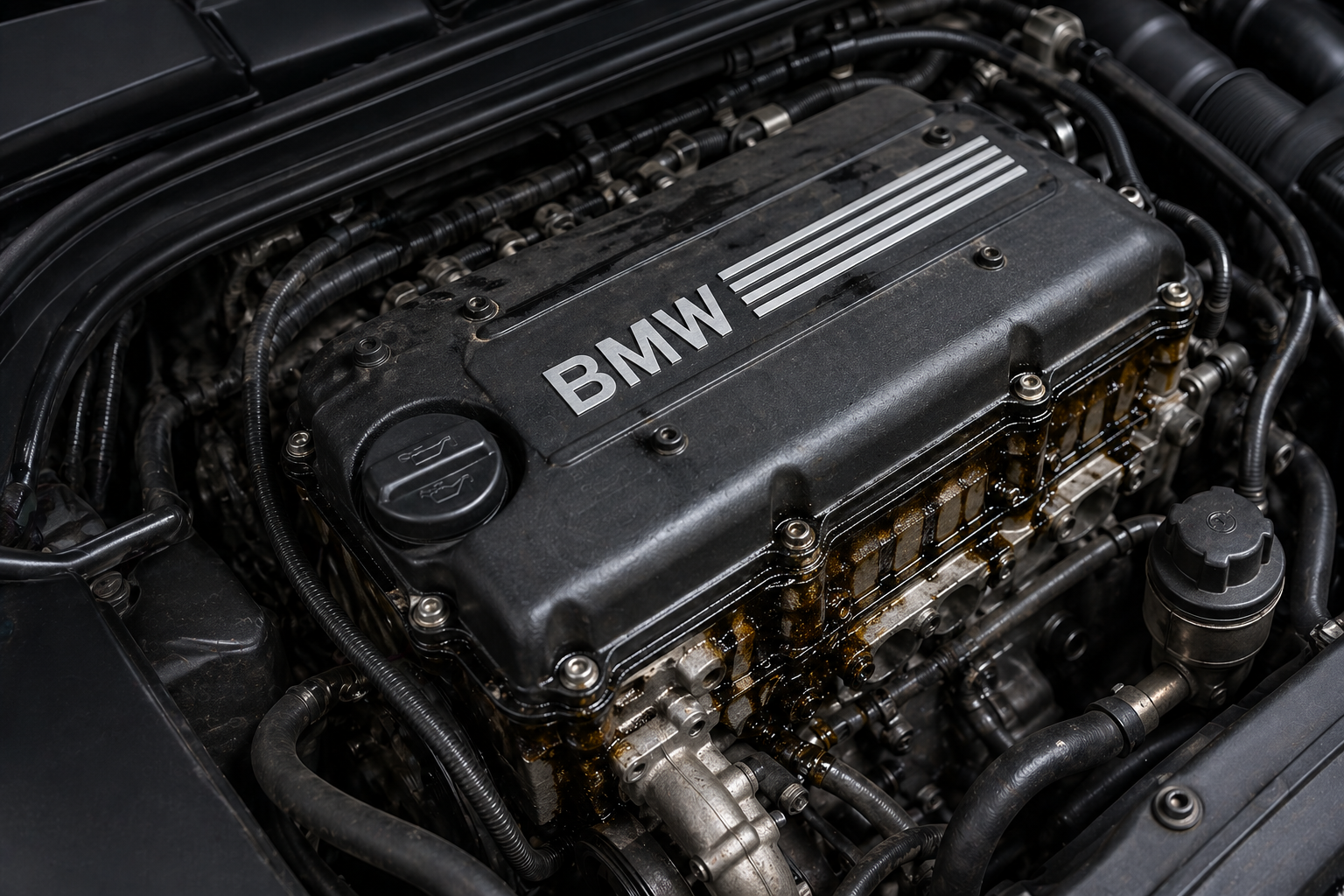
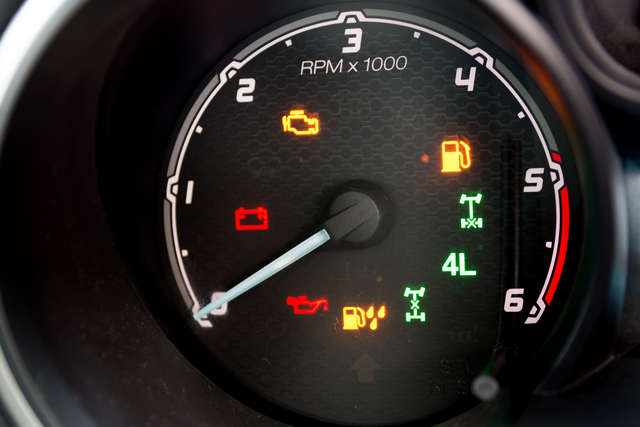
 One minute your Audi feels like a precision machine, the next it’s shaking, sputtering, or hesitating under light throttle. These misfires don’t always start as catastrophic failures, but left unchecked, they destroy performance, damage internal components, and turn luxury driving into a gamble. At German Car Service, located in Hayward, CA, we see dozens of misfiring Audis every month—mostly models like the A4, A5, Q5, and A6 built between 2009 and 2016. The symptoms may look the same across vehicles, but the causes demand careful, model-specific diagnostics. That’s the difference between guessing and solving.
Audi Coil Packs: Predictable Failures, Preventable Damage
Audi coil packs aren’t a mystery—they’re a common weak point in the ignition system, especially in the 2.0-liter turbocharged engines from 2009 to 2015. These coil-on-plug units operate under constant heat, voltage cycling, and vibration. Most misfire codes in these engines—like P0300 through P0304—trace back to one or more coils losing voltage capacity or cracking internally. Rather than just replacing all coils blindly, we use Audi scan tools and scope testing to isolate failed units and catch marginal ones before they take down other systems. If we find signs of oil contamination, we also check valve cover seals for early leaks, since repeated exposure accelerates coil breakdown.
The Truth About Direct Injection And Carbon Buildup
If you own an EA888 engine (found in 2009–2016 A4s, Q5s, and even some S3s), carbon buildup is not a matter of if—it’s a matter of when. Because these engines use direct injection, fuel doesn’t wash over the intake valves like it does in port-injected setups. Instead, oil vapor and crankcase gases coat the valves with a tar-like residue. Once buildup reaches a certain threshold, airflow into the combustion chamber gets choked, leading to uneven fuel burn, sluggish throttle, and persistent misfires, especially on cold start. Our solution isn’t a guess—it’s a walnut shell blasting process that restores valve surfaces without removing the cylinder head.
Fuel Injector Issues Can Hide In Plain Sight
Injectors don’t always fail dramatically. Sometimes, a single injector underperforms just enough to lean out one cylinder, triggering intermittent misfires under load. Audi’s 2.0T engines from 2012–2015 are particularly vulnerable due to inconsistent spray patterns or injector tip fouling. Hayward drivers may feel occasional stutters on the freeway or poor throttle response in stop-and-go traffic. We test injector pulse and flow using both pressure-drop methods and electronic waveforms. If replacement is needed, we always program new injectors to the ECU to avoid adaptation conflicts.
Camshaft Timing Errors That Don’t Trigger A Warning Light—Yet
It’s a problem that’s silent until it’s expensive. Audi timing chains, especially on the B8-generation 2.0T, can stretch gradually over time, enough to throw off cam timing without triggering a check engine light. The result? Ghost misfires that come and go, poor cold starts, or fluctuating idle that doesn’t respond to ignition or fuel corrections. Audi’s camshaft adjusters, part of the variable valve timing system, can also stick or wear out. Our diagnostic approach includes checking cam/crank correlation with VAG-COM and measuring actual timing deviation. If the spread exceeds tolerance, we recommend replacement with the updated tensioner design before piston-to-valve contact becomes an issue.
The Hidden Problem Behind PCV Failures And Vacuum Leaks
Audi PCV systems aren’t built to last forever. Many EA888-equipped Audis develop PCV diaphragm tears or valve failures that allow unmetered air into the intake, leaning out the fuel mixture, and triggering cylinder-specific misfires. Most Hayward drivers don’t notice until the idle quality drops or the oil consumption spikes. But by that point, a faulty PCV system has already started creating long-term problems, including rear main seal failures due to excessive crankcase pressure. We use vacuum gauges and smoke testing to track these leaks precisely and install upgraded PCV units known to resist pressure breakdown.
Electrical Faults That Fake Misfire Symptoms
Sometimes the engine isn’t misfiring—your Audi just thinks it is. A failing crankshaft position sensor, for example, can disrupt spark timing and cause drivability issues that look like combustion misfires. Likewise, a failing cam sensor can create inconsistent signal data that fools the ECU into throwing misfire codes. Software corruption or outdated ECU calibration can compound the issue. At German Car Service, we go beyond basic OBD2 codes, using factory scan tools like ODIS to read adaptation values, sensor voltage behavior, and even combustion analysis data in real time. It’s the only way to separate real mechanical problems from phantom electrical ones.
Don’t Ignore That Flashing Check Engine Light
A flashing CEL isn’t a suggestion—it’s a warning that your Audi is actively misfiring and sending raw fuel into the catalytic converter, where it can cause internal melting. Once the catalyst fails, repairs jump from hundreds to thousands of dollars. The longer you wait, the more collateral damage stacks up—spark plugs foul, ignition modules burn out, and combustion chambers carbonize. In Hayward, we see this often in cars where drivers delay diagnostics, hoping the issue will resolve itself. It won’t. That’s why we recommend immediate testing for any misfire symptoms, even if they come and go.
Don’t Let An Audi Misfire Spiral Into Engine Damage
If your Audi has started stumbling at idle or vibrating under load, don’t guess and don’t wait. German Car Service in Hayward, CA has a high-level diagnostic process, factory scan tools, and experience to pinpoint the root of your misfire—no guessing, no parts roulette, no wasted time. Call us now at (650) 832-8455 before a small misfire leads to a big repair bill.
One minute your Audi feels like a precision machine, the next it’s shaking, sputtering, or hesitating under light throttle. These misfires don’t always start as catastrophic failures, but left unchecked, they destroy performance, damage internal components, and turn luxury driving into a gamble. At German Car Service, located in Hayward, CA, we see dozens of misfiring Audis every month—mostly models like the A4, A5, Q5, and A6 built between 2009 and 2016. The symptoms may look the same across vehicles, but the causes demand careful, model-specific diagnostics. That’s the difference between guessing and solving.
Audi Coil Packs: Predictable Failures, Preventable Damage
Audi coil packs aren’t a mystery—they’re a common weak point in the ignition system, especially in the 2.0-liter turbocharged engines from 2009 to 2015. These coil-on-plug units operate under constant heat, voltage cycling, and vibration. Most misfire codes in these engines—like P0300 through P0304—trace back to one or more coils losing voltage capacity or cracking internally. Rather than just replacing all coils blindly, we use Audi scan tools and scope testing to isolate failed units and catch marginal ones before they take down other systems. If we find signs of oil contamination, we also check valve cover seals for early leaks, since repeated exposure accelerates coil breakdown.
The Truth About Direct Injection And Carbon Buildup
If you own an EA888 engine (found in 2009–2016 A4s, Q5s, and even some S3s), carbon buildup is not a matter of if—it’s a matter of when. Because these engines use direct injection, fuel doesn’t wash over the intake valves like it does in port-injected setups. Instead, oil vapor and crankcase gases coat the valves with a tar-like residue. Once buildup reaches a certain threshold, airflow into the combustion chamber gets choked, leading to uneven fuel burn, sluggish throttle, and persistent misfires, especially on cold start. Our solution isn’t a guess—it’s a walnut shell blasting process that restores valve surfaces without removing the cylinder head.
Fuel Injector Issues Can Hide In Plain Sight
Injectors don’t always fail dramatically. Sometimes, a single injector underperforms just enough to lean out one cylinder, triggering intermittent misfires under load. Audi’s 2.0T engines from 2012–2015 are particularly vulnerable due to inconsistent spray patterns or injector tip fouling. Hayward drivers may feel occasional stutters on the freeway or poor throttle response in stop-and-go traffic. We test injector pulse and flow using both pressure-drop methods and electronic waveforms. If replacement is needed, we always program new injectors to the ECU to avoid adaptation conflicts.
Camshaft Timing Errors That Don’t Trigger A Warning Light—Yet
It’s a problem that’s silent until it’s expensive. Audi timing chains, especially on the B8-generation 2.0T, can stretch gradually over time, enough to throw off cam timing without triggering a check engine light. The result? Ghost misfires that come and go, poor cold starts, or fluctuating idle that doesn’t respond to ignition or fuel corrections. Audi’s camshaft adjusters, part of the variable valve timing system, can also stick or wear out. Our diagnostic approach includes checking cam/crank correlation with VAG-COM and measuring actual timing deviation. If the spread exceeds tolerance, we recommend replacement with the updated tensioner design before piston-to-valve contact becomes an issue.
The Hidden Problem Behind PCV Failures And Vacuum Leaks
Audi PCV systems aren’t built to last forever. Many EA888-equipped Audis develop PCV diaphragm tears or valve failures that allow unmetered air into the intake, leaning out the fuel mixture, and triggering cylinder-specific misfires. Most Hayward drivers don’t notice until the idle quality drops or the oil consumption spikes. But by that point, a faulty PCV system has already started creating long-term problems, including rear main seal failures due to excessive crankcase pressure. We use vacuum gauges and smoke testing to track these leaks precisely and install upgraded PCV units known to resist pressure breakdown.
Electrical Faults That Fake Misfire Symptoms
Sometimes the engine isn’t misfiring—your Audi just thinks it is. A failing crankshaft position sensor, for example, can disrupt spark timing and cause drivability issues that look like combustion misfires. Likewise, a failing cam sensor can create inconsistent signal data that fools the ECU into throwing misfire codes. Software corruption or outdated ECU calibration can compound the issue. At German Car Service, we go beyond basic OBD2 codes, using factory scan tools like ODIS to read adaptation values, sensor voltage behavior, and even combustion analysis data in real time. It’s the only way to separate real mechanical problems from phantom electrical ones.
Don’t Ignore That Flashing Check Engine Light
A flashing CEL isn’t a suggestion—it’s a warning that your Audi is actively misfiring and sending raw fuel into the catalytic converter, where it can cause internal melting. Once the catalyst fails, repairs jump from hundreds to thousands of dollars. The longer you wait, the more collateral damage stacks up—spark plugs foul, ignition modules burn out, and combustion chambers carbonize. In Hayward, we see this often in cars where drivers delay diagnostics, hoping the issue will resolve itself. It won’t. That’s why we recommend immediate testing for any misfire symptoms, even if they come and go.
Don’t Let An Audi Misfire Spiral Into Engine Damage
If your Audi has started stumbling at idle or vibrating under load, don’t guess and don’t wait. German Car Service in Hayward, CA has a high-level diagnostic process, factory scan tools, and experience to pinpoint the root of your misfire—no guessing, no parts roulette, no wasted time. Call us now at (650) 832-8455 before a small misfire leads to a big repair bill.
Hayward, CA - Common Causes of Engine Misfire in Audis | Auto Repair Shop News
SYNOPSIS: German Car Service in Hayward, CA explains the real reasons your Audi misfires—and how our shop gets to the root of the problem when others just swap parts. Prevent predictable failures.
Why Your Audi Misfires (And Why Hayward Trusts Us)
BY: ,
One minute your Audi feels like a precision machine, the next it’s shaking, sputtering, or hesitating under light throttle. These misfires don’t always start as catastrophic failures, but left unchecked, they destroy performance, damage internal components, and turn luxury driving into a gamble. At German Car Service, located in Hayward, CA, we see dozens of misfiring Audis every month—mostly models like the A4, A5, Q5, and A6 built between 2009 and 2016. The symptoms may look the same across vehicles, but the causes demand careful, model-specific diagnostics. That’s the difference between guessing and solving.
Audi Coil Packs: Predictable Failures, Preventable Damage
Audi coil packs aren’t a mystery—they’re a common weak point in the ignition system, especially in the 2.0-liter turbocharged engines from 2009 to 2015. These coil-on-plug units operate under constant heat, voltage cycling, and vibration. Most misfire codes in these engines—like P0300 through P0304—trace back to one or more coils losing voltage capacity or cracking internally. Rather than just replacing all coils blindly, we use Audi scan tools and scope testing to isolate failed units and catch marginal ones before they take down other systems. If we find signs of oil contamination, we also check valve cover seals for early leaks, since repeated exposure accelerates coil breakdown.
The Truth About Direct Injection And Carbon Buildup
If you own an EA888 engine (found in 2009–2016 A4s, Q5s, and even some S3s), carbon buildup is not a matter of if—it’s a matter of when. Because these engines use direct injection, fuel doesn’t wash over the intake valves like it does in port-injected setups. Instead, oil vapor and crankcase gases coat the valves with a tar-like residue. Once buildup reaches a certain threshold, airflow into the combustion chamber gets choked, leading to uneven fuel burn, sluggish throttle, and persistent misfires, especially on cold start. Our solution isn’t a guess—it’s a walnut shell blasting process that restores valve surfaces without removing the cylinder head.
Fuel Injector Issues Can Hide In Plain Sight
Injectors don’t always fail dramatically. Sometimes, a single injector underperforms just enough to lean out one cylinder, triggering intermittent misfires under load. Audi’s 2.0T engines from 2012–2015 are particularly vulnerable due to inconsistent spray patterns or injector tip fouling. Hayward drivers may feel occasional stutters on the freeway or poor throttle response in stop-and-go traffic. We test injector pulse and flow using both pressure-drop methods and electronic waveforms. If replacement is needed, we always program new injectors to the ECU to avoid adaptation conflicts.
Camshaft Timing Errors That Don’t Trigger A Warning Light—Yet
It’s a problem that’s silent until it’s expensive. Audi timing chains, especially on the B8-generation 2.0T, can stretch gradually over time, enough to throw off cam timing without triggering a check engine light. The result? Ghost misfires that come and go, poor cold starts, or fluctuating idle that doesn’t respond to ignition or fuel corrections. Audi’s camshaft adjusters, part of the variable valve timing system, can also stick or wear out. Our diagnostic approach includes checking cam/crank correlation with VAG-COM and measuring actual timing deviation. If the spread exceeds tolerance, we recommend replacement with the updated tensioner design before piston-to-valve contact becomes an issue.
The Hidden Problem Behind PCV Failures And Vacuum Leaks
Audi PCV systems aren’t built to last forever. Many EA888-equipped Audis develop PCV diaphragm tears or valve failures that allow unmetered air into the intake, leaning out the fuel mixture, and triggering cylinder-specific misfires. Most Hayward drivers don’t notice until the idle quality drops or the oil consumption spikes. But by that point, a faulty PCV system has already started creating long-term problems, including rear main seal failures due to excessive crankcase pressure. We use vacuum gauges and smoke testing to track these leaks precisely and install upgraded PCV units known to resist pressure breakdown.
Electrical Faults That Fake Misfire Symptoms
Sometimes the engine isn’t misfiring—your Audi just thinks it is. A failing crankshaft position sensor, for example, can disrupt spark timing and cause drivability issues that look like combustion misfires. Likewise, a failing cam sensor can create inconsistent signal data that fools the ECU into throwing misfire codes. Software corruption or outdated ECU calibration can compound the issue. At German Car Service, we go beyond basic OBD2 codes, using factory scan tools like ODIS to read adaptation values, sensor voltage behavior, and even combustion analysis data in real time. It’s the only way to separate real mechanical problems from phantom electrical ones.
Don’t Ignore That Flashing Check Engine Light
A flashing CEL isn’t a suggestion—it’s a warning that your Audi is actively misfiring and sending raw fuel into the catalytic converter, where it can cause internal melting. Once the catalyst fails, repairs jump from hundreds to thousands of dollars. The longer you wait, the more collateral damage stacks up—spark plugs foul, ignition modules burn out, and combustion chambers carbonize. In Hayward, we see this often in cars where drivers delay diagnostics, hoping the issue will resolve itself. It won’t. That’s why we recommend immediate testing for any misfire symptoms, even if they come and go.
Don’t Let An Audi Misfire Spiral Into Engine Damage
If your Audi has started stumbling at idle or vibrating under load, don’t guess and don’t wait. German Car Service in Hayward, CA has a high-level diagnostic process, factory scan tools, and experience to pinpoint the root of your misfire—no guessing, no parts roulette, no wasted time. Call us now at (650) 832-8455 before a small misfire leads to a big repair bill.