Job sites take a beating, and so does whatever sign is standing near the entrance. Wind, mud, equipment traffic, and months of weather all work against a construction sign before the project is even finished. A post and panel sign needs to survive all of it while still being readable from the road, sometimes for a year or longer depending on the size of the build.
What These Signs Are Actually For
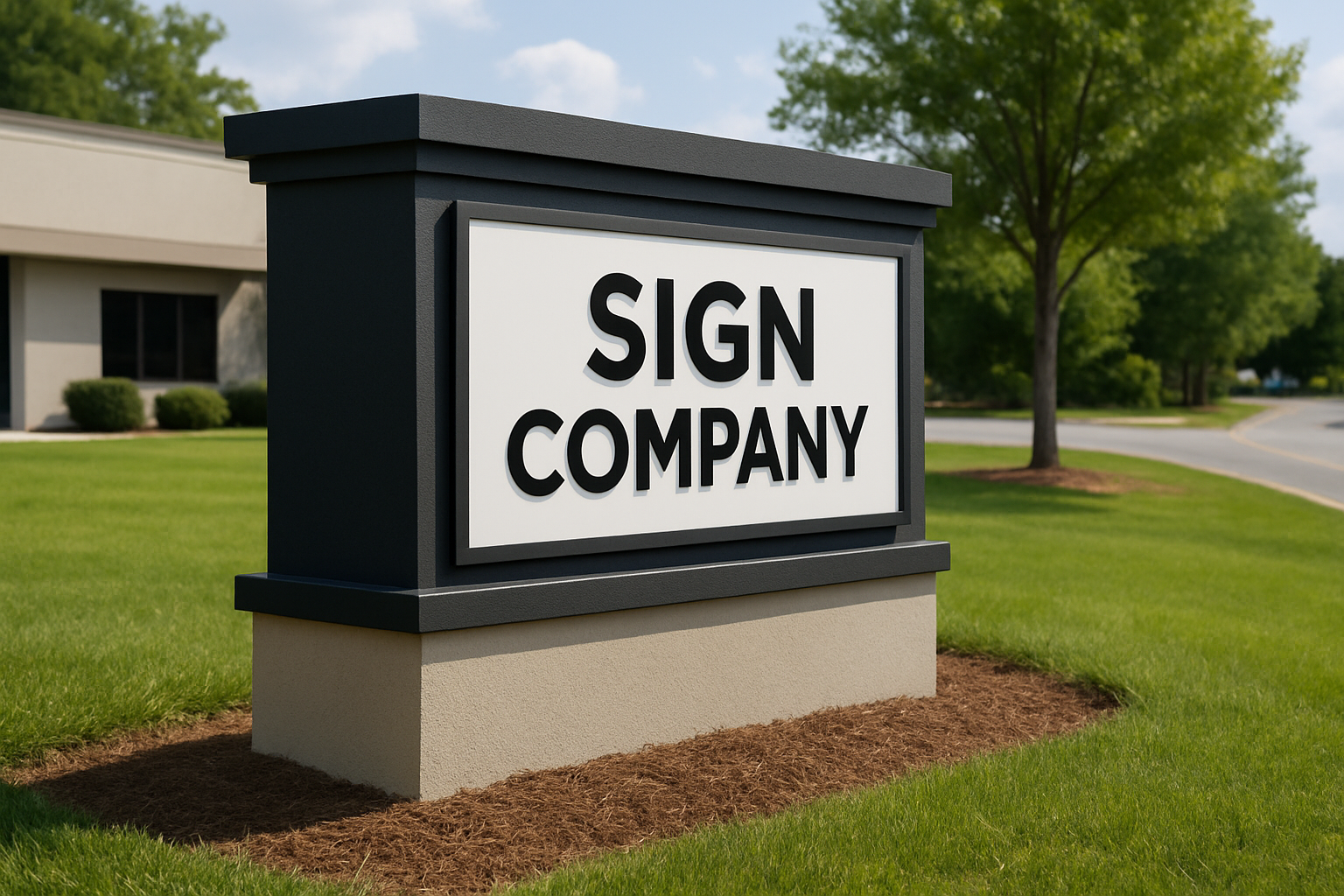
Post and panel signs show up outside new developments, ongoing builds, and properties under renovation. They usually list the project name, contractor, architect, and sometimes a rendering of the finished building. For a homeowner driving past a future subdivision in Rockford, that sign is often the only information available until the project is done.
They also serve a practical purpose on active sites, helping subcontractors, inspectors, and delivery drivers confirm they've found the right address.
Common Types of Post and Panel Signs
Not every job site needs the same setup. A few standard versions:
- Single panel signs, simple and used for smaller residential builds or single-lot developments
- Dual post signs with a larger panel, common on subdivisions and multi-unit projects
- Tiered panel signs, where separate boards for the general contractor, architect, and engineer stack above the main sign
- Rendering signs, with a printed image of the finished building alongside the project details
Larger commercial developments in Rockford often go with the tiered version since there are simply more names that need to be listed clearly.
Why Construction Sites Need Something Sturdier
A flimsy sign panel won't make it through a Michigan spring, let alone a full build cycle that can run a year or more. Wind gusts on an open lot put real stress on the posts and mounting hardware. Panels need to resist warping, fading, and moisture without needing constant repairs.
Sites without much landscaping yet also tend to be muddy and exposed, with nothing blocking wind coming off open fields. That adds even more stress on the sign structure than a typical storefront install would face.
Permitting and Placement Rules to Know
Kent County municipalities, including Rockford, generally require a sign permit before a construction sign goes up, even for a temporary one. Most local ordinances also set limits on how large a temporary sign can be and how far it needs to sit back from the road or property line. Setback requirements exist partly for safety, so signs don't block sightlines at intersections or driveways.
Temporary construction signs also usually come with a time limit tied to the length of the project, and some municipalities require the sign to come down within a set number of days after the certificate of occupancy is issued. It's worth checking with the local building department before ordering, since requirements can shift depending on the zoning district the property sits in.
Get Your Job Site Sign Built
We build post and panel signs sized and reinforced for active construction sites, and we can walk you through what Rockford's permitting process requires before you order. Reach out to Grand Rapids Sign Company and we'll help you plan the layout and timeline.