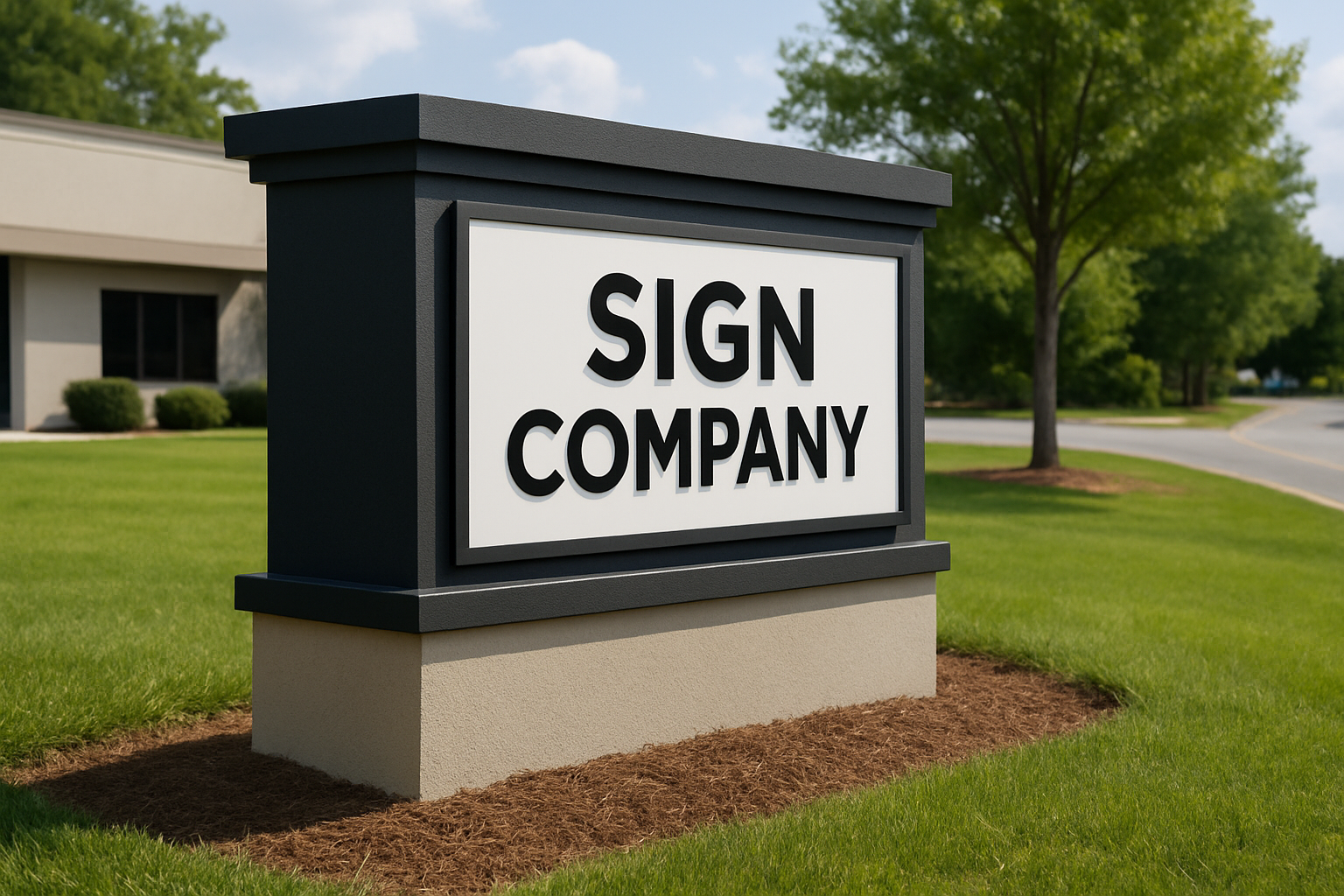
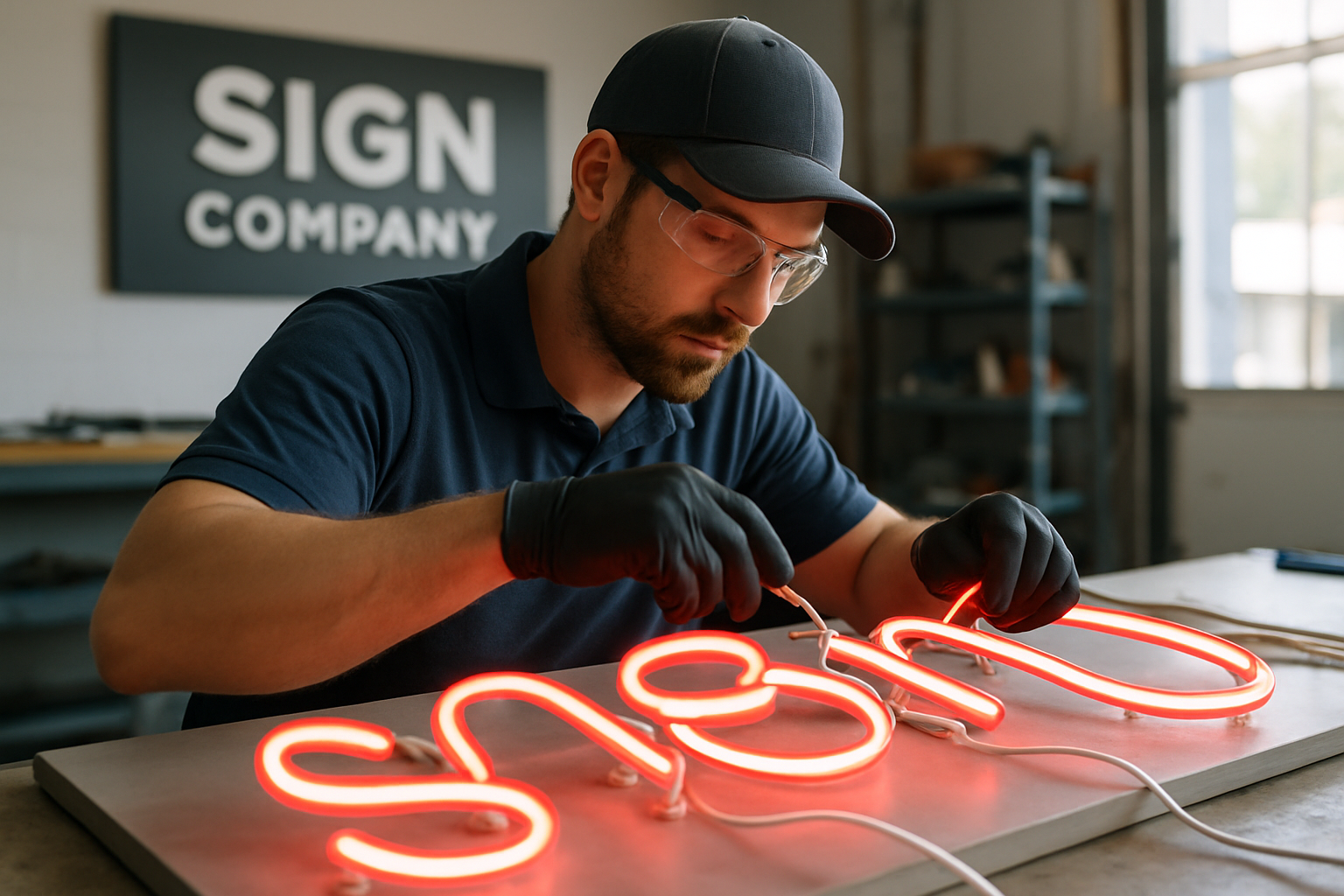
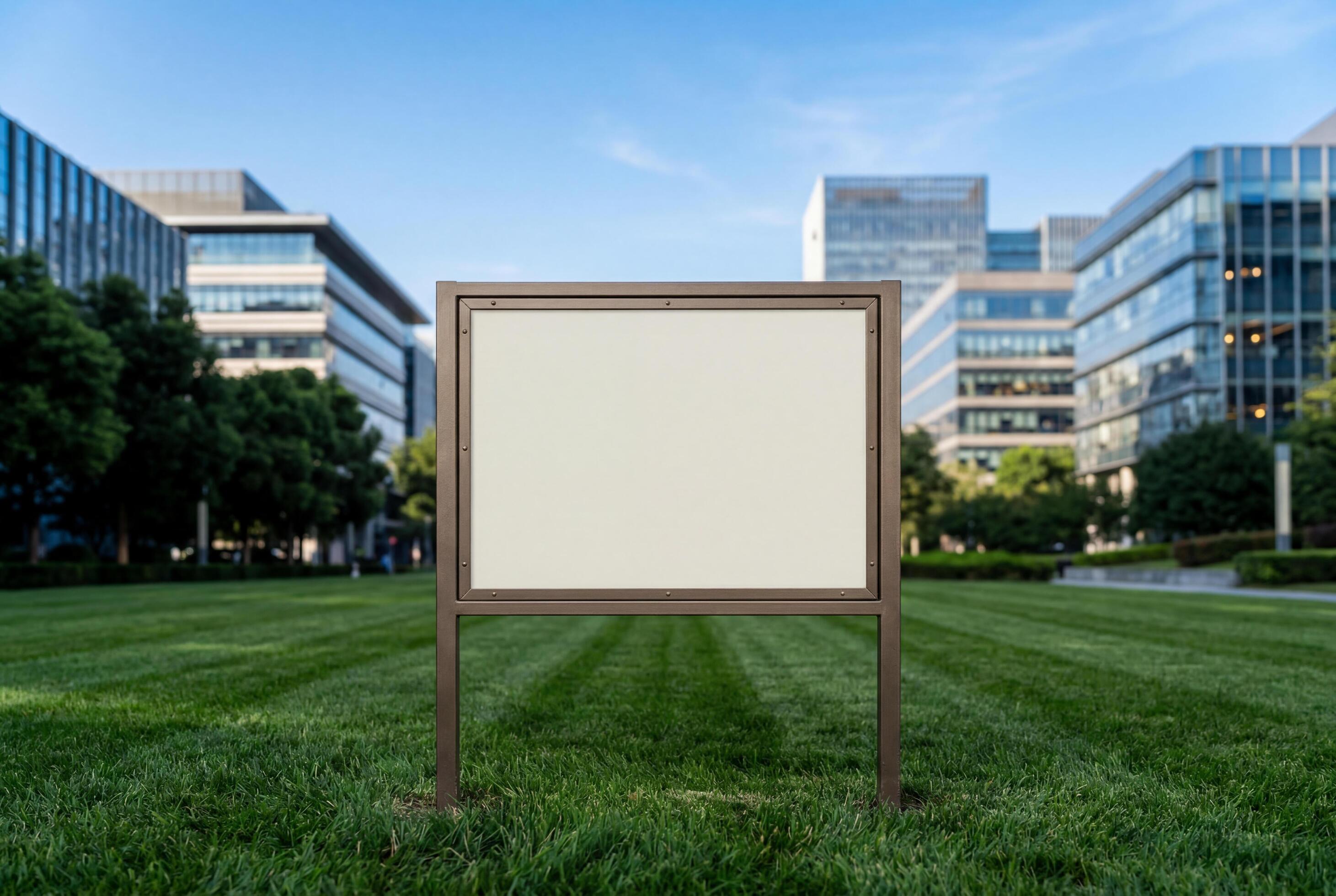
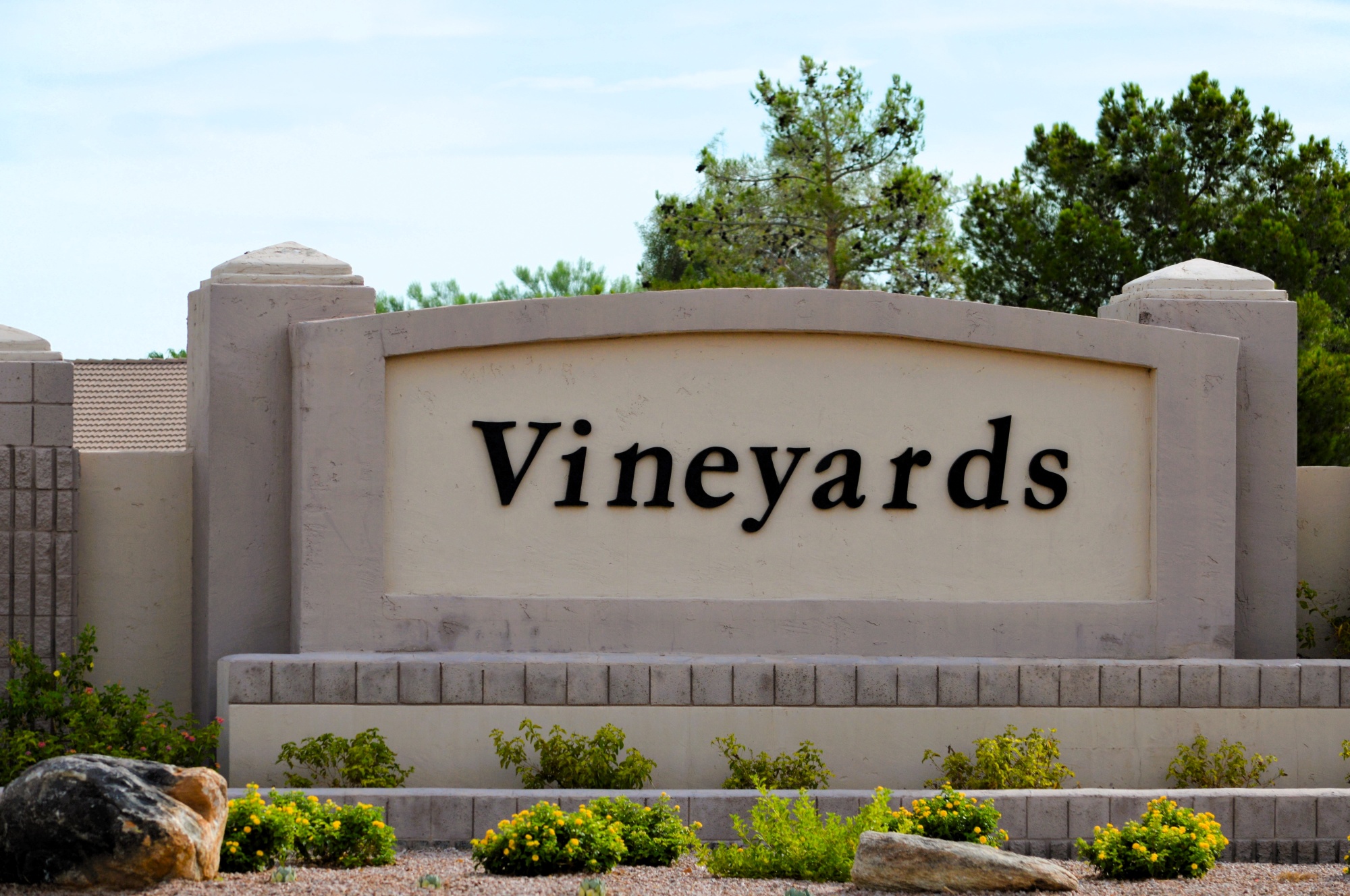
 What does your property look like at 45 miles per hour? That’s the speed most drivers are moving when they pass your monument sign on a Grand Rapids commercial corridor. At that speed, the sign is either readable and recognizable, or it’s a shape they’ve already forgotten by the next intersection. Monument signs sit at the driver’s eye level, which makes them the single most visible identifier for any property set back from the road. Grand Rapids Sign Company, headquartered in Walker, MI, builds custom monument signs for Grand Rapids businesses and commercial properties that earn attention from a moving car and hold up to everything West Michigan throws at them.
Forty-Two Inches Below Grade Before Anything Goes Up
Grand Rapids sits in a frost zone, and the building code requires monument sign footings at a minimum 42-inch depth to clear the frost line. A footing poured shallower than that will shift during the first hard freeze, and the damage shows fast. Masonry veneer cracks along mortar joints, the sign cabinet tilts out of plumb, and the whole structure starts looking neglected before the landscaping has filled in around it. We pour every footing to the required depth, verify the cure, and then build upward, because a monument sign that leans tells a story no property owner wants to tell.
Light Source Changes How People Read the Sign After Dark
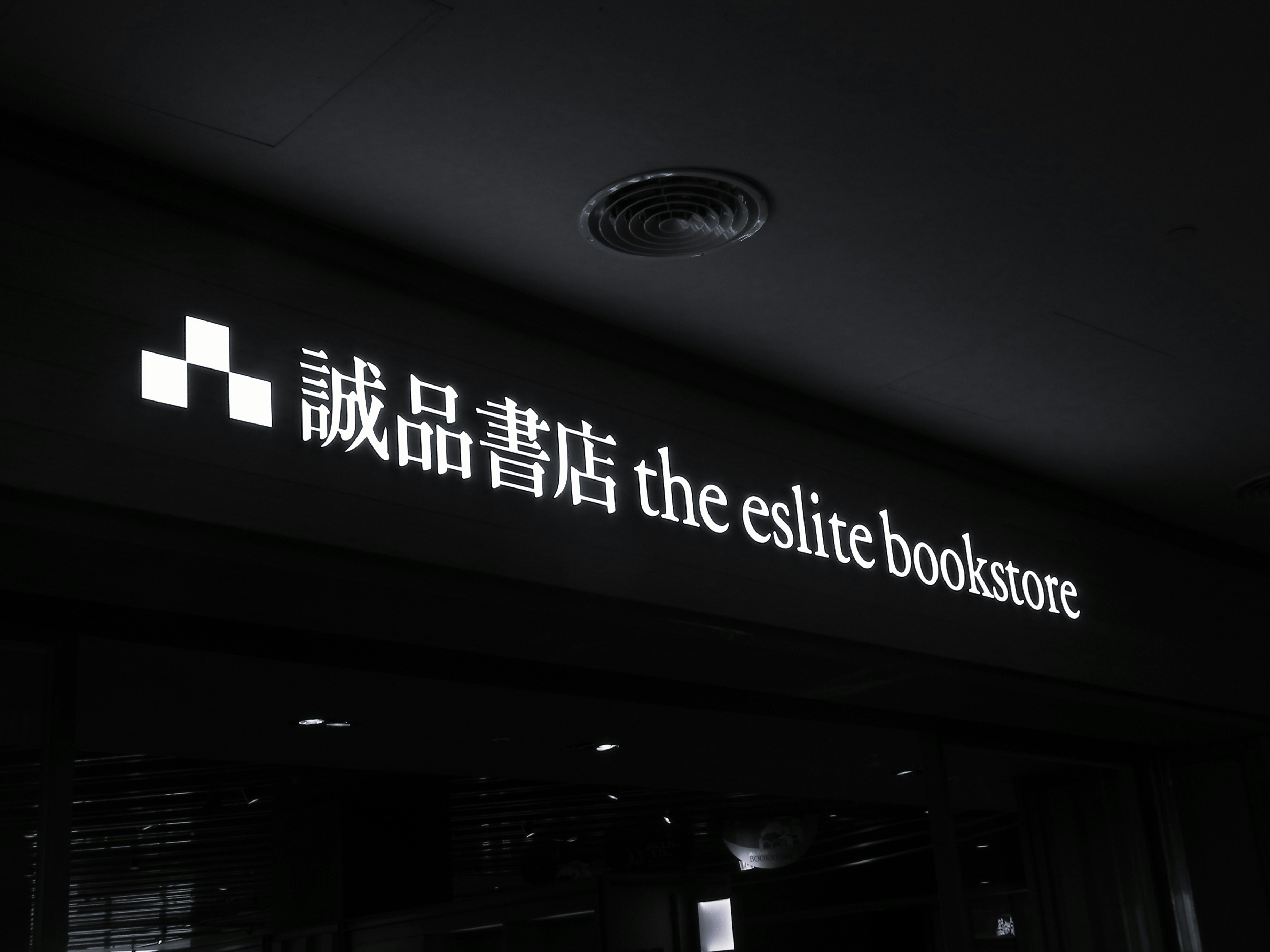
An internally illuminated monument sign spreads light evenly across the entire face panel, which works well for simple text and bold logos but can wash out finer details and thinner letterforms. Ground-mounted LED spotlights pointed upward cast shadows across raised elements and routed letters, giving the sign dimensionality that makes it more legible from the road at night. We select the lighting approach based on the sign’s setback from the street, the design’s complexity, and whether the property needs the sign to perform during evening hours or around the clock.
Tenant Panels That Swap Without Shutting Down the Sign
Multi-tenant properties and business parks need monument signs that accommodate turnover without a rebuild. We engineer tenant panel zones using slide-in tracks or bolt-on brackets, where a single technician swaps a name in under an hour using hand tools. Font size, typeface, and color stay consistent across every panel so the sign reads as one unified piece regardless of how many tenants have come and gone since installation.
The Wrong Material Fails in Three Years
We fabricate monument sign bases from masonry veneer over welded steel frames, powder-coated aluminum panels, or solid-surface composite, depending on the design and the site. Untreated wood splits and rots within a few seasons in West Michigan’s humidity. Thin-gauge steel corrodes at every weld seam and bolt hole once the paint breaks. We choose materials based on the sign’s compass orientation and its exposure to prevailing wind, rain, and road spray, not just how the rendering looks on a screen.
Zoning Isn’t a Suggestion on Any Grand Rapids Parcel
The City of Grand Rapids regulates monument sign height, face area, property line setback, and illumination type by zoning district, and the numbers vary from one corridor to the next. We pull the zoning overlay for the specific parcel before design begins, so the sign we propose fits inside the allowable envelope from day one. A monument sign designed without code research is a monument sign that gets redesigned, downsized, or denied. Skip that step and you’re paying twice. Grand Rapids Sign Company is at (616) 284-8739, and we’d rather get your monument sign right the first time than watch you learn the hard way.