 Your Audi's dashboard just asked you to add a quart of oil for the second time this month, and you topped it off three weeks ago. How many times should you refill before that pattern stops feeling routine and starts feeling like a problem worth investigating? Thousands of Audi owners in the Fremont, CA area have asked themselves the same question, and we've spent years at Fremont Foreign Auto answering it with hard data instead of vague reassurance.
The Engine Codes That Started It All
Audi's 2.0 TFSI engines carrying codes CAEB, CDNC, and CNDC rolled off the production line before mid-2011 with a piston ring design that looked fine on paper but couldn't hold up over time. The oil control ring on these pistons measures just 1.5mm wide, and its job is to scrape excess oil off the cylinder wall on every downstroke so it returns to the oil pan instead of entering the combustion chamber. Carbon deposits build up around that thin ring as the miles accumulate, and the ring gradually loses the spring tension it needs to maintain contact with the cylinder wall. The 2008 through 2012 A4, A5, and Q5 are the models we see most with this condition, though the 1.8 TFSI shares a similar design and can develop the same pattern at higher mileage.
What "Normal" Consumption Looks Like on Paper
Audi's owner's manual states that consuming one quart of oil per 1,000 miles falls within the acceptable range for these engines. That specification surprises most owners, because one quart per thousand miles means you're adding oil every few weeks during regular Fremont commuting. Where does the line between acceptable and excessive sit for your specific engine? We consider anything beyond one quart per 600 miles a signal that the rings aren't controlling oil the way the revised design intended, and an oil consumption test is the fastest way to measure exactly where your engine falls on that scale.
How an Oil Consumption Test Works
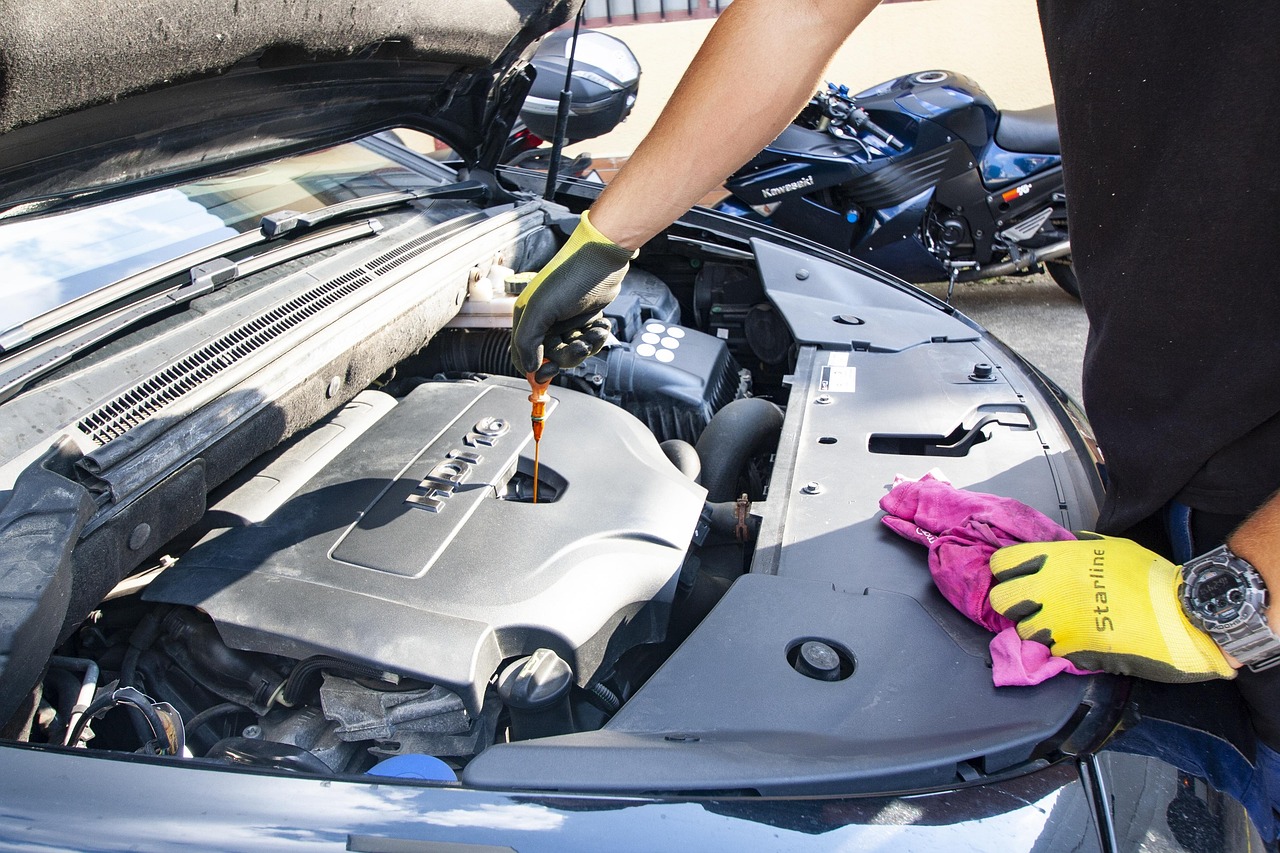
The test itself is straightforward, and we run it at our Fremont, CA shop on a regular basis. We drain the existing oil, fill the engine with fresh oil measured to the exact capacity, and record the odometer reading. You drive the car under your normal conditions for a set distance, then bring it back so we can measure the remaining oil volume against what we started with. That comparison gives us a precise consumption rate per mile, and it removes any debate about whether the engine is burning oil or leaking it somewhere else. Are you adding oil because the engine is consuming it internally, or is a slow external seep dripping onto the subframe where you can't see it? The test answers that question with a number, and the number tells us which repair path makes sense.
The PCV Valve and When It Helps
A faulty positive crankcase ventilation valve can pull extra oil vapor into the intake, and replacing it is a relatively quick repair that sometimes reduces consumption in mild cases. We check the PCV system as part of our diagnosis because it's worth ruling out before recommending deeper engine work. Some owners see a noticeable improvement after the replacement, while others find that the consumption rate barely changes because the piston rings themselves are the primary source.
When the Engine Needs Revised Internals
The definitive correction for this condition involves removing the engine, installing Audi's updated pistons with wider 2.5mm oil control rings, and re-honing the cylinder bores to restore the proper crosshatch pattern that helps the new rings seal. Audi revised the piston tolerances in mid-2011 production, and engines built after that date use the updated components from the factory. The earlier engines need those components installed after the fact, and the bore condition determines whether a re-hone is sufficient or whether deeper machine work is required. Catching the problem before the cylinder walls develop scoring is what separates a ring replacement from a conversation about a short block.
Knowing where your Audi's oil is going puts you in control of the repair timeline instead of chasing a dashboard warning every few weeks. Dial Fremont Foreign Auto at (510) 793-6067 and let our Fremont, CA team run the consumption test, diagnose the cause, and map out the right fix for your specific engine.
Your Audi's dashboard just asked you to add a quart of oil for the second time this month, and you topped it off three weeks ago. How many times should you refill before that pattern stops feeling routine and starts feeling like a problem worth investigating? Thousands of Audi owners in the Fremont, CA area have asked themselves the same question, and we've spent years at Fremont Foreign Auto answering it with hard data instead of vague reassurance.
The Engine Codes That Started It All
Audi's 2.0 TFSI engines carrying codes CAEB, CDNC, and CNDC rolled off the production line before mid-2011 with a piston ring design that looked fine on paper but couldn't hold up over time. The oil control ring on these pistons measures just 1.5mm wide, and its job is to scrape excess oil off the cylinder wall on every downstroke so it returns to the oil pan instead of entering the combustion chamber. Carbon deposits build up around that thin ring as the miles accumulate, and the ring gradually loses the spring tension it needs to maintain contact with the cylinder wall. The 2008 through 2012 A4, A5, and Q5 are the models we see most with this condition, though the 1.8 TFSI shares a similar design and can develop the same pattern at higher mileage.
What "Normal" Consumption Looks Like on Paper
Audi's owner's manual states that consuming one quart of oil per 1,000 miles falls within the acceptable range for these engines. That specification surprises most owners, because one quart per thousand miles means you're adding oil every few weeks during regular Fremont commuting. Where does the line between acceptable and excessive sit for your specific engine? We consider anything beyond one quart per 600 miles a signal that the rings aren't controlling oil the way the revised design intended, and an oil consumption test is the fastest way to measure exactly where your engine falls on that scale.
How an Oil Consumption Test Works
The test itself is straightforward, and we run it at our Fremont, CA shop on a regular basis. We drain the existing oil, fill the engine with fresh oil measured to the exact capacity, and record the odometer reading. You drive the car under your normal conditions for a set distance, then bring it back so we can measure the remaining oil volume against what we started with. That comparison gives us a precise consumption rate per mile, and it removes any debate about whether the engine is burning oil or leaking it somewhere else. Are you adding oil because the engine is consuming it internally, or is a slow external seep dripping onto the subframe where you can't see it? The test answers that question with a number, and the number tells us which repair path makes sense.
The PCV Valve and When It Helps
A faulty positive crankcase ventilation valve can pull extra oil vapor into the intake, and replacing it is a relatively quick repair that sometimes reduces consumption in mild cases. We check the PCV system as part of our diagnosis because it's worth ruling out before recommending deeper engine work. Some owners see a noticeable improvement after the replacement, while others find that the consumption rate barely changes because the piston rings themselves are the primary source.
When the Engine Needs Revised Internals
The definitive correction for this condition involves removing the engine, installing Audi's updated pistons with wider 2.5mm oil control rings, and re-honing the cylinder bores to restore the proper crosshatch pattern that helps the new rings seal. Audi revised the piston tolerances in mid-2011 production, and engines built after that date use the updated components from the factory. The earlier engines need those components installed after the fact, and the bore condition determines whether a re-hone is sufficient or whether deeper machine work is required. Catching the problem before the cylinder walls develop scoring is what separates a ring replacement from a conversation about a short block.
Knowing where your Audi's oil is going puts you in control of the repair timeline instead of chasing a dashboard warning every few weeks. Dial Fremont Foreign Auto at (510) 793-6067 and let our Fremont, CA team run the consumption test, diagnose the cause, and map out the right fix for your specific engine.
Fremont, CA - Audi Oil Consumption Issues Checked by European Mechanics
SYNOPSIS: Fremont Foreign Auto explains why Audi 1.8 and 2.0 TFSI engines consume oil, which models are affected, and how proper diagnosis determines repair needs.
Audi Oil Consumption Issues Checked in Fremont
BY: Eduardo Porta, Fremont Foreign Auto
Your Audi's dashboard just asked you to add a quart of oil for the second time this month, and you topped it off three weeks ago. How many times should you refill before that pattern stops feeling routine and starts feeling like a problem worth investigating? Thousands of Audi owners in the Fremont, CA area have asked themselves the same question, and we've spent years at Fremont Foreign Auto answering it with hard data instead of vague reassurance.
The Engine Codes That Started It All
Audi's 2.0 TFSI engines carrying codes CAEB, CDNC, and CNDC rolled off the production line before mid-2011 with a piston ring design that looked fine on paper but couldn't hold up over time. The oil control ring on these pistons measures just 1.5mm wide, and its job is to scrape excess oil off the cylinder wall on every downstroke so it returns to the oil pan instead of entering the combustion chamber. Carbon deposits build up around that thin ring as the miles accumulate, and the ring gradually loses the spring tension it needs to maintain contact with the cylinder wall. The 2008 through 2012 A4, A5, and Q5 are the models we see most with this condition, though the 1.8 TFSI shares a similar design and can develop the same pattern at higher mileage.
What "Normal" Consumption Looks Like on Paper
Audi's owner's manual states that consuming one quart of oil per 1,000 miles falls within the acceptable range for these engines. That specification surprises most owners, because one quart per thousand miles means you're adding oil every few weeks during regular Fremont commuting. Where does the line between acceptable and excessive sit for your specific engine? We consider anything beyond one quart per 600 miles a signal that the rings aren't controlling oil the way the revised design intended, and an oil consumption test is the fastest way to measure exactly where your engine falls on that scale.
How an Oil Consumption Test Works
The test itself is straightforward, and we run it at our Fremont, CA shop on a regular basis. We drain the existing oil, fill the engine with fresh oil measured to the exact capacity, and record the odometer reading. You drive the car under your normal conditions for a set distance, then bring it back so we can measure the remaining oil volume against what we started with. That comparison gives us a precise consumption rate per mile, and it removes any debate about whether the engine is burning oil or leaking it somewhere else. Are you adding oil because the engine is consuming it internally, or is a slow external seep dripping onto the subframe where you can't see it? The test answers that question with a number, and the number tells us which repair path makes sense.
The PCV Valve and When It Helps
A faulty positive crankcase ventilation valve can pull extra oil vapor into the intake, and replacing it is a relatively quick repair that sometimes reduces consumption in mild cases. We check the PCV system as part of our diagnosis because it's worth ruling out before recommending deeper engine work. Some owners see a noticeable improvement after the replacement, while others find that the consumption rate barely changes because the piston rings themselves are the primary source.
When the Engine Needs Revised Internals
The definitive correction for this condition involves removing the engine, installing Audi's updated pistons with wider 2.5mm oil control rings, and re-honing the cylinder bores to restore the proper crosshatch pattern that helps the new rings seal. Audi revised the piston tolerances in mid-2011 production, and engines built after that date use the updated components from the factory. The earlier engines need those components installed after the fact, and the bore condition determines whether a re-hone is sufficient or whether deeper machine work is required. Catching the problem before the cylinder walls develop scoring is what separates a ring replacement from a conversation about a short block.
Knowing where your Audi's oil is going puts you in control of the repair timeline instead of chasing a dashboard warning every few weeks. Dial Fremont Foreign Auto at (510) 793-6067 and let our Fremont, CA team run the consumption test, diagnose the cause, and map out the right fix for your specific engine.