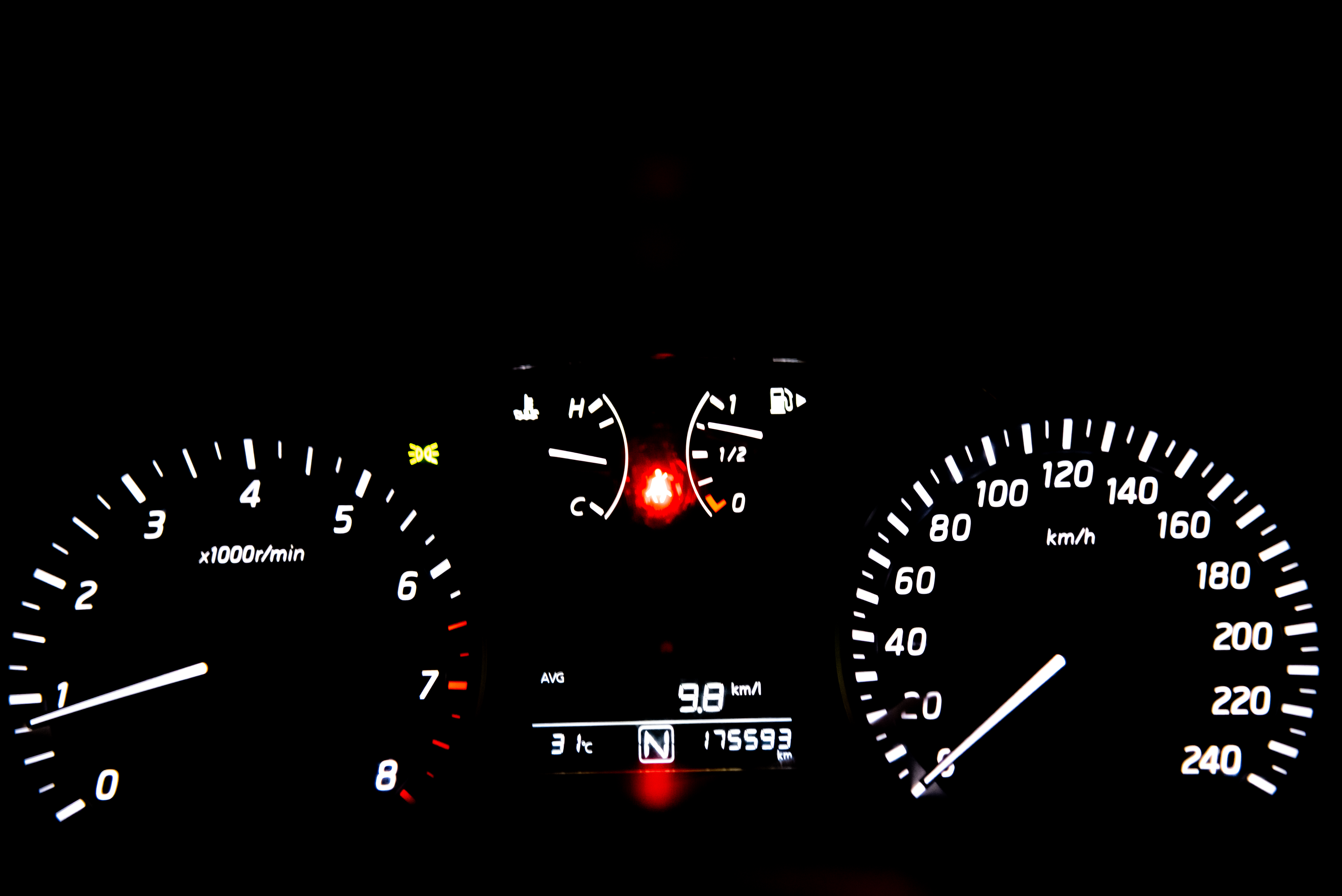
 When the ABS light comes on, it means your brake system has switched from proactive to reactive. Without ABS, stopping distances can increase on slick surfaces, and steering control under hard braking is reduced. For Union City drivers, that warning light should trigger action, not hesitation. At Fremont Foreign Auto in Fremont, we track the fault to its exact source and bring the system back online.
How ABS Works in Modern Vehicles
Anti-lock braking systems use wheel speed sensors, a hydraulic control unit, and an electronic control module to prevent the wheels from locking during hard braking. On a 2017 Honda Accord or a 2018 Toyota RAV4, the ABS module monitors each wheel’s speed and adjusts brake pressure through solenoid valves to keep traction. The entire system relies on accurate sensor readings and fast hydraulic response. A fault anywhere in this chain can trigger the warning light and disable ABS function.
Common Causes of ABS Warnings in Union City Vehicles
Wheel speed sensors are the most frequent culprit. They operate in harsh conditions at the hub assembly, where they are exposed to water, road debris, and heat. In a 2015 Nissan Altima, a cracked sensor housing can allow moisture to corrode the internal circuitry. ABS tone rings, often integrated into the hub or axle, can also crack or accumulate debris, sending irregular signals to the control module.
Hydraulic issues are another source of trouble. A sticking solenoid valve inside the ABS hydraulic control unit can disrupt pressure modulation. Low brake fluid level from a slow leak at the master cylinder or caliper will also cause the system to shut down ABS function. Electrical faults, including corroded wiring harness connectors or poor grounds, can interrupt communication between the module and sensors.
Why Ignoring the Light Can Be Dangerous
While your base braking system still works without ABS, the safety margin it provides in emergency situations disappears. On wet pavement, this can mean the difference between stopping in your lane and sliding into an intersection. In vehicles with stability control, a disabled ABS system often takes traction control offline as well, reducing cornering stability in slippery conditions. Leaving the fault unresolved also risks more damage, as debris or corrosion can spread to other parts of the braking system.
Our Diagnostic Process for ABS Faults
We start by scanning the ABS module with a factory-level diagnostic tool to retrieve trouble codes and live data from each wheel speed sensor. This tells us whether the issue is isolated to one corner or affects the system as a whole. We then perform a visual inspection of sensors, tone rings, and wiring harnesses, looking for damage, corrosion, or physical misalignment.
If the hydraulic control unit is suspect, we use bidirectional scan tool commands to cycle the solenoids and monitor system pressure. This verifies whether the valves respond correctly and whether fluid is reaching each brake line. Electrical integrity tests are performed with a multimeter to confirm power and ground at every connector. This step-by-step process eliminates guesswork and ensures the repair addresses the real problem.
How We Repair ABS Systems for Long-Term Reliability
When replacing a wheel speed sensor, we clean and inspect the mounting surface to prevent distortion that could misalign the sensor. If the tone ring is damaged, we replace it with a new part matched to the exact hub or axle specification. For hydraulic control unit repairs, we use OEM or equivalent assemblies, then bleed the brake system using the manufacturer’s sequence to remove all air from the lines.
After repairs are complete, we clear stored codes and test-drive the vehicle while monitoring live data from each sensor. This ensures the ABS module is receiving accurate information and that the system activates correctly under simulated hard-braking conditions.
Preventing ABS Light Problems in the Future
Regular brake system inspections help catch early signs of wear or damage to ABS components. Keeping wheel hubs clean, replacing worn brake pads before they reach the backing plate, and using the correct brake fluid specification all contribute to system longevity. For Union City drivers, checking the ABS system during seasonal tire changes or alignments is an easy way to stay ahead of potential faults.
Why Union City Drivers Choose Fremont Foreign Auto
We bring the same precision to ABS repairs that we do to every critical system. Our technicians understand the differences in ABS architecture between brands, and we use repair procedures that match the original engineering standards. That means your ABS system will perform exactly as it did the day the vehicle left the factory.
Get Your ABS System Back to Peak Performance
The ABS light signals a safety feature standing idle. Fremont Foreign Auto can diagnose the fault, make the necessary repairs, and return your braking system to full function. Call us today at (510) 793-6067 to schedule a complete ABS inspection and drive with confidence in every stop.
When the ABS light comes on, it means your brake system has switched from proactive to reactive. Without ABS, stopping distances can increase on slick surfaces, and steering control under hard braking is reduced. For Union City drivers, that warning light should trigger action, not hesitation. At Fremont Foreign Auto in Fremont, we track the fault to its exact source and bring the system back online.
How ABS Works in Modern Vehicles
Anti-lock braking systems use wheel speed sensors, a hydraulic control unit, and an electronic control module to prevent the wheels from locking during hard braking. On a 2017 Honda Accord or a 2018 Toyota RAV4, the ABS module monitors each wheel’s speed and adjusts brake pressure through solenoid valves to keep traction. The entire system relies on accurate sensor readings and fast hydraulic response. A fault anywhere in this chain can trigger the warning light and disable ABS function.
Common Causes of ABS Warnings in Union City Vehicles
Wheel speed sensors are the most frequent culprit. They operate in harsh conditions at the hub assembly, where they are exposed to water, road debris, and heat. In a 2015 Nissan Altima, a cracked sensor housing can allow moisture to corrode the internal circuitry. ABS tone rings, often integrated into the hub or axle, can also crack or accumulate debris, sending irregular signals to the control module.
Hydraulic issues are another source of trouble. A sticking solenoid valve inside the ABS hydraulic control unit can disrupt pressure modulation. Low brake fluid level from a slow leak at the master cylinder or caliper will also cause the system to shut down ABS function. Electrical faults, including corroded wiring harness connectors or poor grounds, can interrupt communication between the module and sensors.
Why Ignoring the Light Can Be Dangerous
While your base braking system still works without ABS, the safety margin it provides in emergency situations disappears. On wet pavement, this can mean the difference between stopping in your lane and sliding into an intersection. In vehicles with stability control, a disabled ABS system often takes traction control offline as well, reducing cornering stability in slippery conditions. Leaving the fault unresolved also risks more damage, as debris or corrosion can spread to other parts of the braking system.
Our Diagnostic Process for ABS Faults
We start by scanning the ABS module with a factory-level diagnostic tool to retrieve trouble codes and live data from each wheel speed sensor. This tells us whether the issue is isolated to one corner or affects the system as a whole. We then perform a visual inspection of sensors, tone rings, and wiring harnesses, looking for damage, corrosion, or physical misalignment.
If the hydraulic control unit is suspect, we use bidirectional scan tool commands to cycle the solenoids and monitor system pressure. This verifies whether the valves respond correctly and whether fluid is reaching each brake line. Electrical integrity tests are performed with a multimeter to confirm power and ground at every connector. This step-by-step process eliminates guesswork and ensures the repair addresses the real problem.
How We Repair ABS Systems for Long-Term Reliability
When replacing a wheel speed sensor, we clean and inspect the mounting surface to prevent distortion that could misalign the sensor. If the tone ring is damaged, we replace it with a new part matched to the exact hub or axle specification. For hydraulic control unit repairs, we use OEM or equivalent assemblies, then bleed the brake system using the manufacturer’s sequence to remove all air from the lines.
After repairs are complete, we clear stored codes and test-drive the vehicle while monitoring live data from each sensor. This ensures the ABS module is receiving accurate information and that the system activates correctly under simulated hard-braking conditions.
Preventing ABS Light Problems in the Future
Regular brake system inspections help catch early signs of wear or damage to ABS components. Keeping wheel hubs clean, replacing worn brake pads before they reach the backing plate, and using the correct brake fluid specification all contribute to system longevity. For Union City drivers, checking the ABS system during seasonal tire changes or alignments is an easy way to stay ahead of potential faults.
Why Union City Drivers Choose Fremont Foreign Auto
We bring the same precision to ABS repairs that we do to every critical system. Our technicians understand the differences in ABS architecture between brands, and we use repair procedures that match the original engineering standards. That means your ABS system will perform exactly as it did the day the vehicle left the factory.
Get Your ABS System Back to Peak Performance
The ABS light signals a safety feature standing idle. Fremont Foreign Auto can diagnose the fault, make the necessary repairs, and return your braking system to full function. Call us today at (510) 793-6067 to schedule a complete ABS inspection and drive with confidence in every stop.
Union City, CA - Solving ABS Warning Light Problems at Our Auto Repair Shop
SYNOPSIS: Fremont Foreign Auto in Fremont fixes ABS faults for Union City drivers—pinpointing warning light causes and restoring factory-spec braking performance you can trust.
Warning Light? Get Your ABS Back to Full Strength
BY: Eduardo Porta, Fremont Foreign Auto
When the ABS light comes on, it means your brake system has switched from proactive to reactive. Without ABS, stopping distances can increase on slick surfaces, and steering control under hard braking is reduced. For Union City drivers, that warning light should trigger action, not hesitation. At Fremont Foreign Auto in Fremont, we track the fault to its exact source and bring the system back online.
How ABS Works in Modern Vehicles
Anti-lock braking systems use wheel speed sensors, a hydraulic control unit, and an electronic control module to prevent the wheels from locking during hard braking. On a 2017 Honda Accord or a 2018 Toyota RAV4, the ABS module monitors each wheel’s speed and adjusts brake pressure through solenoid valves to keep traction. The entire system relies on accurate sensor readings and fast hydraulic response. A fault anywhere in this chain can trigger the warning light and disable ABS function.
Common Causes of ABS Warnings in Union City Vehicles
Wheel speed sensors are the most frequent culprit. They operate in harsh conditions at the hub assembly, where they are exposed to water, road debris, and heat. In a 2015 Nissan Altima, a cracked sensor housing can allow moisture to corrode the internal circuitry. ABS tone rings, often integrated into the hub or axle, can also crack or accumulate debris, sending irregular signals to the control module.
Hydraulic issues are another source of trouble. A sticking solenoid valve inside the ABS hydraulic control unit can disrupt pressure modulation. Low brake fluid level from a slow leak at the master cylinder or caliper will also cause the system to shut down ABS function. Electrical faults, including corroded wiring harness connectors or poor grounds, can interrupt communication between the module and sensors.
Why Ignoring the Light Can Be Dangerous
While your base braking system still works without ABS, the safety margin it provides in emergency situations disappears. On wet pavement, this can mean the difference between stopping in your lane and sliding into an intersection. In vehicles with stability control, a disabled ABS system often takes traction control offline as well, reducing cornering stability in slippery conditions. Leaving the fault unresolved also risks more damage, as debris or corrosion can spread to other parts of the braking system.
Our Diagnostic Process for ABS Faults
We start by scanning the ABS module with a factory-level diagnostic tool to retrieve trouble codes and live data from each wheel speed sensor. This tells us whether the issue is isolated to one corner or affects the system as a whole. We then perform a visual inspection of sensors, tone rings, and wiring harnesses, looking for damage, corrosion, or physical misalignment.
If the hydraulic control unit is suspect, we use bidirectional scan tool commands to cycle the solenoids and monitor system pressure. This verifies whether the valves respond correctly and whether fluid is reaching each brake line. Electrical integrity tests are performed with a multimeter to confirm power and ground at every connector. This step-by-step process eliminates guesswork and ensures the repair addresses the real problem.
How We Repair ABS Systems for Long-Term Reliability
When replacing a wheel speed sensor, we clean and inspect the mounting surface to prevent distortion that could misalign the sensor. If the tone ring is damaged, we replace it with a new part matched to the exact hub or axle specification. For hydraulic control unit repairs, we use OEM or equivalent assemblies, then bleed the brake system using the manufacturer’s sequence to remove all air from the lines.
After repairs are complete, we clear stored codes and test-drive the vehicle while monitoring live data from each sensor. This ensures the ABS module is receiving accurate information and that the system activates correctly under simulated hard-braking conditions.
Preventing ABS Light Problems in the Future
Regular brake system inspections help catch early signs of wear or damage to ABS components. Keeping wheel hubs clean, replacing worn brake pads before they reach the backing plate, and using the correct brake fluid specification all contribute to system longevity. For Union City drivers, checking the ABS system during seasonal tire changes or alignments is an easy way to stay ahead of potential faults.
Why Union City Drivers Choose Fremont Foreign Auto
We bring the same precision to ABS repairs that we do to every critical system. Our technicians understand the differences in ABS architecture between brands, and we use repair procedures that match the original engineering standards. That means your ABS system will perform exactly as it did the day the vehicle left the factory.
Get Your ABS System Back to Peak Performance
The ABS light signals a safety feature standing idle. Fremont Foreign Auto can diagnose the fault, make the necessary repairs, and return your braking system to full function. Call us today at (510) 793-6067 to schedule a complete ABS inspection and drive with confidence in every stop.