 The check engine light on your Jaguar does not make polite suggestions. It appears when the onboard systems detect something serious enough to log a fault and protect the vehicle. In a luxury performance car, ignoring that warning is more than risky: it is an open invitation for expensive repairs. At Fremont Foreign Auto in Fremont, we know that when a Jaguar lights up the dash, Newark drivers need a repair that solves the real problem, not just clears the code.
Why Jaguars Trigger the Check Engine Light
Every Jaguar built in the last two decades uses an advanced engine control module with dozens of sensors monitoring everything from fuel trim to exhaust gas temperature. When one system starts sending values outside its programmed range, the ECM logs a fault. On a 2017 F-PACE, that could mean a faulty mass air flow sensor; on a 2019 XE, it might be an evaporative emissions leak from a cracked purge valve. We identify the fault precisely before we turn a single bolt.
The Difference Between a Code Reader and Real Diagnosis
Anyone can plug in a generic scanner and see a trouble code, but that is only the start of the process. A code like P0171 (system too lean) could be caused by a vacuum leak, a failing oxygen sensor, or low fuel pressure. Replacing the wrong part wastes money and does not fix the root cause. We use Jaguar’s factory diagnostic software to run live data tests, simulate load conditions, and pinpoint the failure in real time.
Common Jaguar Check Engine Light Issues
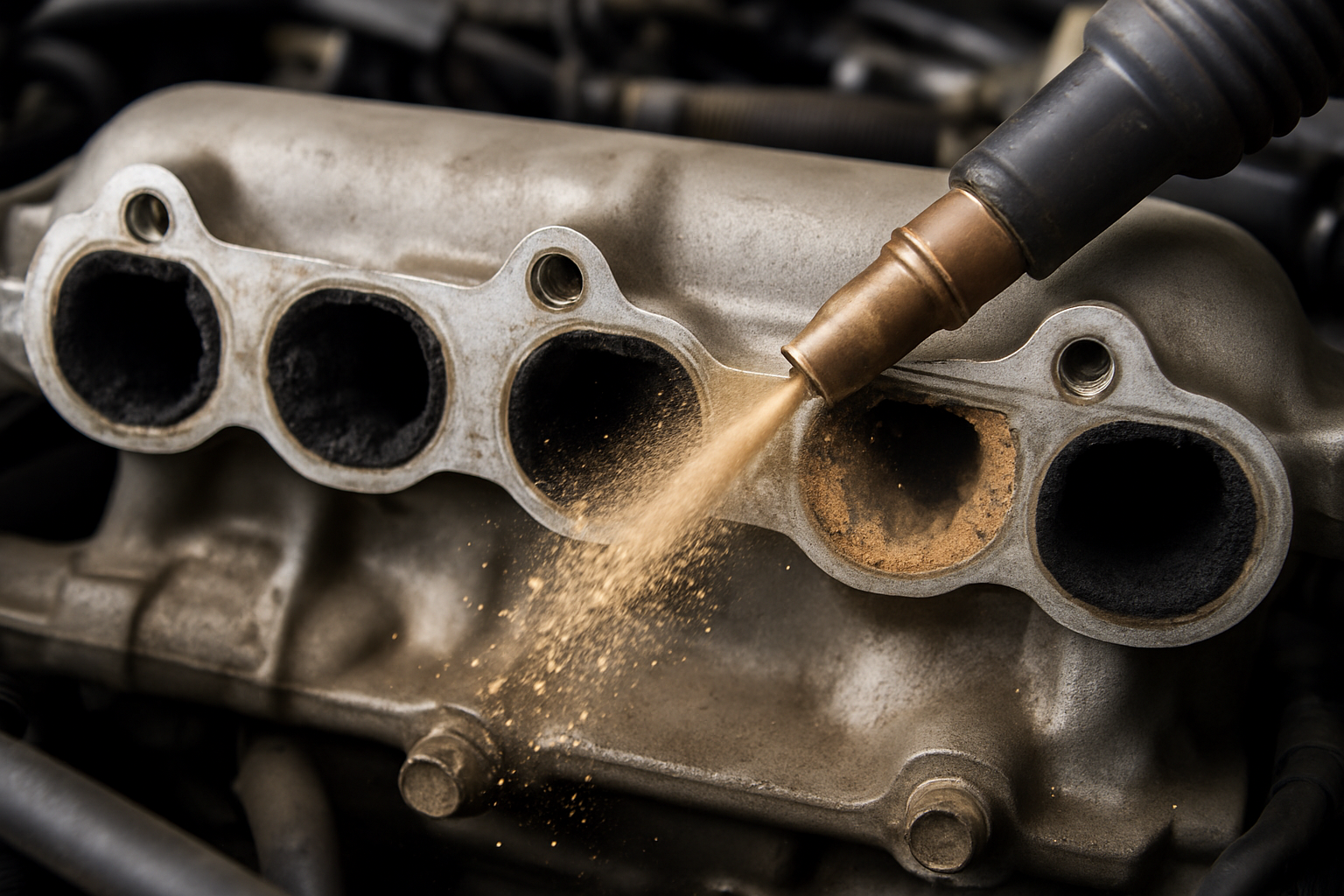
Jaguar engines, from the supercharged 3.0L V6 in the F-TYPE to the turbocharged 2.0L Ingenium series, have certain recurring problems that trigger the check engine light. Direct injection carbon buildup can restrict airflow and set misfire codes. Turbocharger boost leaks can create underperformance and log underboost faults. Failing catalytic converters can trip efficiency codes long before they block flow. We have seen them all, and we know how to test each possibility before committing to repairs.
Why Ignoring the Warning is Costly
The longer you drive with an active fault, the more likely it will cause collateral damage. A bad coil pack in a 2015 XF can foul the catalytic converter if it keeps misfiring. A coolant leak into the intake on a 2020 F-PACE can ruin spark plugs and oxygen sensors before the overheating becomes obvious. Newark drivers who respond quickly save thousands by repairing the primary fault before it spreads.
Our Step-by-Step Repair Process
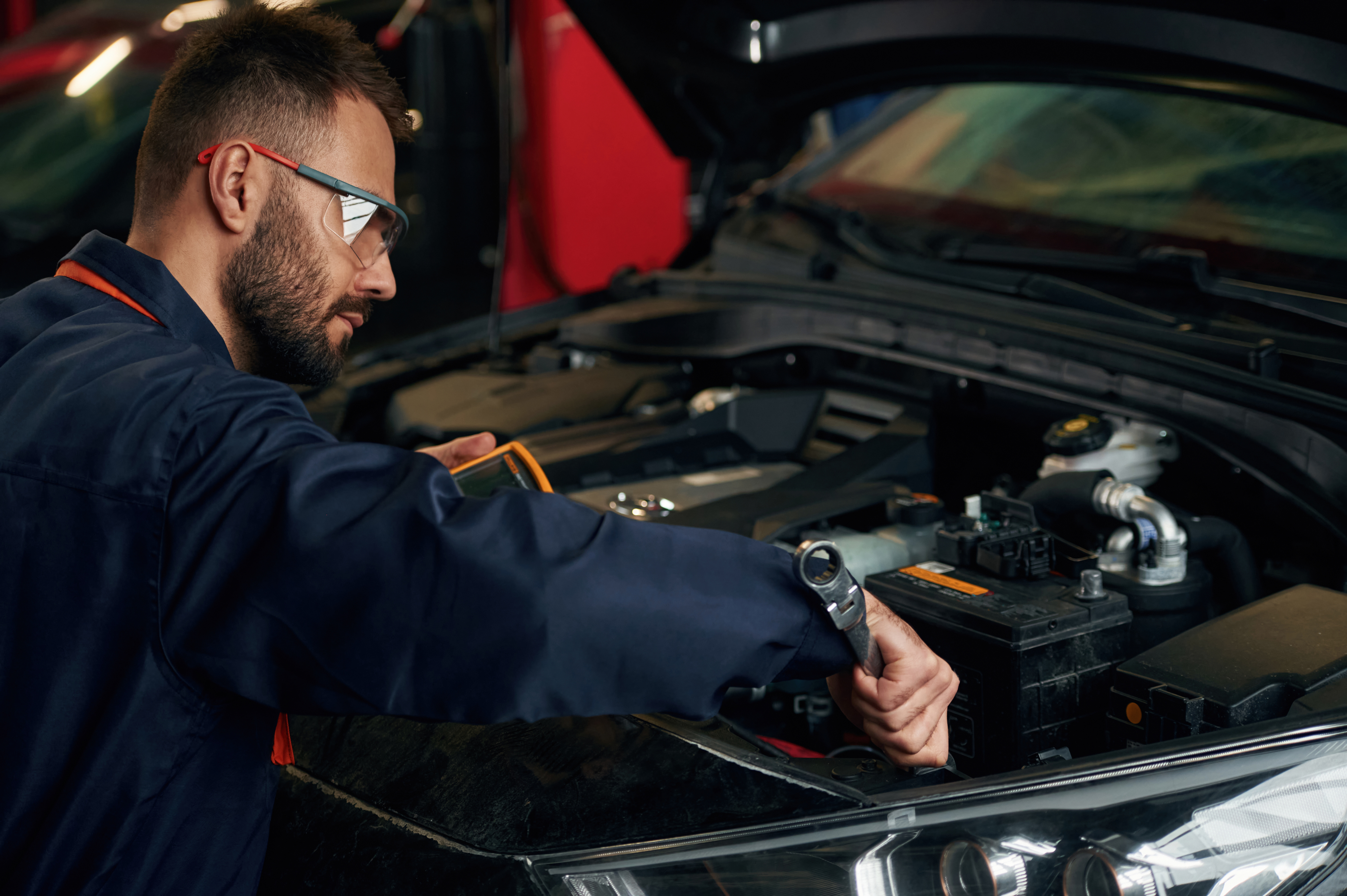
At Fremont Foreign Auto, we start with a complete scan using Jaguar’s SDD or Pathfinder diagnostic platforms. We compare the fault codes to live sensor readings and known factory specifications. We verify power, ground, and signal wiring integrity before condemning any part. Once the issue is confirmed, we repair or replace the component using OEM or better parts. Finally, we clear the codes and run a drive cycle to ensure the light does not return.
How We Prevent Recurring Check Engine Light Problems
A good repair fixes the fault; a great repair makes sure it does not come back. We inspect related systems for early wear, software updates, and minor leaks that could trigger new codes. If your Jaguar has a history of repeat faults, we document patterns and apply manufacturer-approved upgrades. Newark drivers leave knowing the car has been checked from top to bottom for potential future issues.
Why Newark Jaguar Owners Choose Fremont Foreign Auto
Our technicians understand that a Jaguar is more than a car; it is a high-performance machine with unique needs. We do not take shortcuts because these engines do not forgive them. Every diagnostic test, every torque specification, and every repair procedure we follow meets the standards set by Jaguar’s own service guidelines. Newark drivers trust us because they know we treat their vehicles with the same precision the manufacturer demands.
Call Before the Light Becomes a Bigger Problem
The check engine light on your Jaguar is not just a suggestion to get a tune-up. It is the car telling you something is wrong right now. Fremont Foreign Auto can find the cause, repair it to factory standards, and keep your Jaguar driving exactly as intended. Call us today at (510) 793-6067 to schedule a complete diagnostic before the fault turns into a failure.
The check engine light on your Jaguar does not make polite suggestions. It appears when the onboard systems detect something serious enough to log a fault and protect the vehicle. In a luxury performance car, ignoring that warning is more than risky: it is an open invitation for expensive repairs. At Fremont Foreign Auto in Fremont, we know that when a Jaguar lights up the dash, Newark drivers need a repair that solves the real problem, not just clears the code.
Why Jaguars Trigger the Check Engine Light
Every Jaguar built in the last two decades uses an advanced engine control module with dozens of sensors monitoring everything from fuel trim to exhaust gas temperature. When one system starts sending values outside its programmed range, the ECM logs a fault. On a 2017 F-PACE, that could mean a faulty mass air flow sensor; on a 2019 XE, it might be an evaporative emissions leak from a cracked purge valve. We identify the fault precisely before we turn a single bolt.
The Difference Between a Code Reader and Real Diagnosis
Anyone can plug in a generic scanner and see a trouble code, but that is only the start of the process. A code like P0171 (system too lean) could be caused by a vacuum leak, a failing oxygen sensor, or low fuel pressure. Replacing the wrong part wastes money and does not fix the root cause. We use Jaguar’s factory diagnostic software to run live data tests, simulate load conditions, and pinpoint the failure in real time.
Common Jaguar Check Engine Light Issues
Jaguar engines, from the supercharged 3.0L V6 in the F-TYPE to the turbocharged 2.0L Ingenium series, have certain recurring problems that trigger the check engine light. Direct injection carbon buildup can restrict airflow and set misfire codes. Turbocharger boost leaks can create underperformance and log underboost faults. Failing catalytic converters can trip efficiency codes long before they block flow. We have seen them all, and we know how to test each possibility before committing to repairs.
Why Ignoring the Warning is Costly
The longer you drive with an active fault, the more likely it will cause collateral damage. A bad coil pack in a 2015 XF can foul the catalytic converter if it keeps misfiring. A coolant leak into the intake on a 2020 F-PACE can ruin spark plugs and oxygen sensors before the overheating becomes obvious. Newark drivers who respond quickly save thousands by repairing the primary fault before it spreads.
Our Step-by-Step Repair Process
At Fremont Foreign Auto, we start with a complete scan using Jaguar’s SDD or Pathfinder diagnostic platforms. We compare the fault codes to live sensor readings and known factory specifications. We verify power, ground, and signal wiring integrity before condemning any part. Once the issue is confirmed, we repair or replace the component using OEM or better parts. Finally, we clear the codes and run a drive cycle to ensure the light does not return.
How We Prevent Recurring Check Engine Light Problems
A good repair fixes the fault; a great repair makes sure it does not come back. We inspect related systems for early wear, software updates, and minor leaks that could trigger new codes. If your Jaguar has a history of repeat faults, we document patterns and apply manufacturer-approved upgrades. Newark drivers leave knowing the car has been checked from top to bottom for potential future issues.
Why Newark Jaguar Owners Choose Fremont Foreign Auto
Our technicians understand that a Jaguar is more than a car; it is a high-performance machine with unique needs. We do not take shortcuts because these engines do not forgive them. Every diagnostic test, every torque specification, and every repair procedure we follow meets the standards set by Jaguar’s own service guidelines. Newark drivers trust us because they know we treat their vehicles with the same precision the manufacturer demands.
Call Before the Light Becomes a Bigger Problem
The check engine light on your Jaguar is not just a suggestion to get a tune-up. It is the car telling you something is wrong right now. Fremont Foreign Auto can find the cause, repair it to factory standards, and keep your Jaguar driving exactly as intended. Call us today at (510) 793-6067 to schedule a complete diagnostic before the fault turns into a failure.
Newark, CA - Resolving Check Engine Lights on Jaguars | Auto Repair Shop News
SYNOPSIS: Fremont Foreign Auto in Fremont diagnoses and repairs Jaguar check engine light issues for Newark drivers with advanced diagnostics and factory-level repairs—restoring performance and reliability.
Check Engine Light on Your Jaguar? We Can Fix It
BY: Eduardo Porta, Fremont Foreign Auto
The check engine light on your Jaguar does not make polite suggestions. It appears when the onboard systems detect something serious enough to log a fault and protect the vehicle. In a luxury performance car, ignoring that warning is more than risky: it is an open invitation for expensive repairs. At Fremont Foreign Auto in Fremont, we know that when a Jaguar lights up the dash, Newark drivers need a repair that solves the real problem, not just clears the code.
Why Jaguars Trigger the Check Engine Light
Every Jaguar built in the last two decades uses an advanced engine control module with dozens of sensors monitoring everything from fuel trim to exhaust gas temperature. When one system starts sending values outside its programmed range, the ECM logs a fault. On a 2017 F-PACE, that could mean a faulty mass air flow sensor; on a 2019 XE, it might be an evaporative emissions leak from a cracked purge valve. We identify the fault precisely before we turn a single bolt.
The Difference Between a Code Reader and Real Diagnosis
Anyone can plug in a generic scanner and see a trouble code, but that is only the start of the process. A code like P0171 (system too lean) could be caused by a vacuum leak, a failing oxygen sensor, or low fuel pressure. Replacing the wrong part wastes money and does not fix the root cause. We use Jaguar’s factory diagnostic software to run live data tests, simulate load conditions, and pinpoint the failure in real time.
Common Jaguar Check Engine Light Issues
Jaguar engines, from the supercharged 3.0L V6 in the F-TYPE to the turbocharged 2.0L Ingenium series, have certain recurring problems that trigger the check engine light. Direct injection carbon buildup can restrict airflow and set misfire codes. Turbocharger boost leaks can create underperformance and log underboost faults. Failing catalytic converters can trip efficiency codes long before they block flow. We have seen them all, and we know how to test each possibility before committing to repairs.
Why Ignoring the Warning is Costly
The longer you drive with an active fault, the more likely it will cause collateral damage. A bad coil pack in a 2015 XF can foul the catalytic converter if it keeps misfiring. A coolant leak into the intake on a 2020 F-PACE can ruin spark plugs and oxygen sensors before the overheating becomes obvious. Newark drivers who respond quickly save thousands by repairing the primary fault before it spreads.
Our Step-by-Step Repair Process
At Fremont Foreign Auto, we start with a complete scan using Jaguar’s SDD or Pathfinder diagnostic platforms. We compare the fault codes to live sensor readings and known factory specifications. We verify power, ground, and signal wiring integrity before condemning any part. Once the issue is confirmed, we repair or replace the component using OEM or better parts. Finally, we clear the codes and run a drive cycle to ensure the light does not return.
How We Prevent Recurring Check Engine Light Problems
A good repair fixes the fault; a great repair makes sure it does not come back. We inspect related systems for early wear, software updates, and minor leaks that could trigger new codes. If your Jaguar has a history of repeat faults, we document patterns and apply manufacturer-approved upgrades. Newark drivers leave knowing the car has been checked from top to bottom for potential future issues.
Why Newark Jaguar Owners Choose Fremont Foreign Auto
Our technicians understand that a Jaguar is more than a car; it is a high-performance machine with unique needs. We do not take shortcuts because these engines do not forgive them. Every diagnostic test, every torque specification, and every repair procedure we follow meets the standards set by Jaguar’s own service guidelines. Newark drivers trust us because they know we treat their vehicles with the same precision the manufacturer demands.
Call Before the Light Becomes a Bigger Problem
The check engine light on your Jaguar is not just a suggestion to get a tune-up. It is the car telling you something is wrong right now. Fremont Foreign Auto can find the cause, repair it to factory standards, and keep your Jaguar driving exactly as intended. Call us today at (510) 793-6067 to schedule a complete diagnostic before the fault turns into a failure.