November is COPD Awareness Month
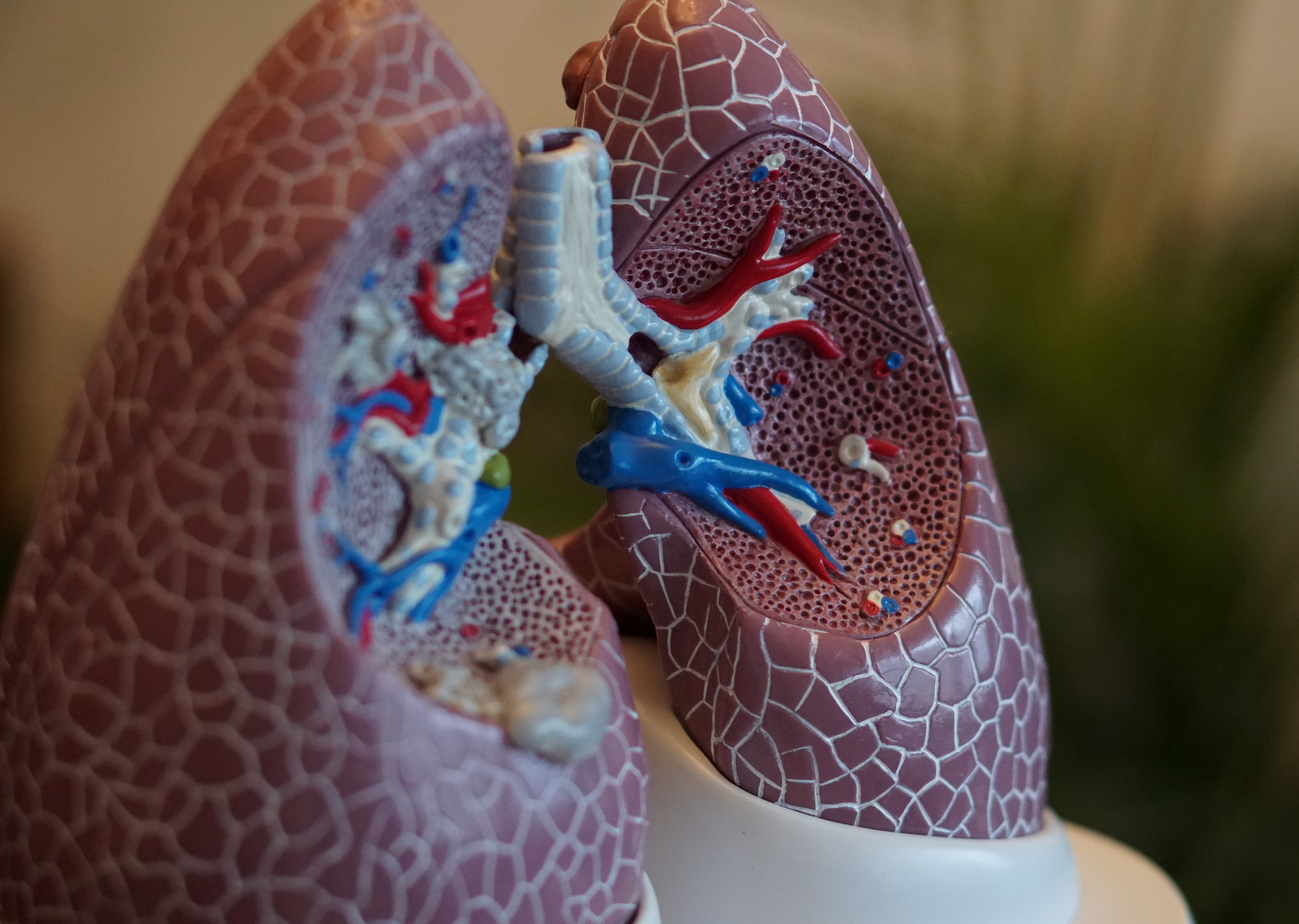 Chronic obstructive pulmonary disease (COPD) is the third leading cause of death by disease in the U.S. according to the American Lung Association. COPD, which is often preventable, includes the diseases known as chronic bronchitis or emphysema. COPD symptoms are characterized by inflammation and damage that cause airflow blockage and breathing problems. COPD cannot be cured. Medical intervention is necessary and managing a clean and safe environment helps minimize respiratory exacerbations.
COPD Risk Factors
COPD is higher in those with that had respiratory infections during childhood. Another genetic and rare condition called Alpha-1 antitrypsin (A1AT) deficiency causes lung tissue inflammation and damage and immediately places these patients at high risk for COPD.
The leading cause of COPD is smoking cigarettes. Cigarette smoke contains nicotine and thousands of other chemicals that can severely and permanently harm the lungs. Studies have shown that even secondhand smoke places a person at high risk for developing COPD.
The air we breathe indoors and in the environment impacts our respiratory wellness on a frequent basis. While not as frequent, exposure to dust, fumes, and chemicals can significantly damage lungs resulting in COPD. More often, when the person already has COPD, the risk for complications from breathing in contaminants is significantly higher.
Reduce Risk Factors
Chronic obstructive pulmonary disease (COPD) is the third leading cause of death by disease in the U.S. according to the American Lung Association. COPD, which is often preventable, includes the diseases known as chronic bronchitis or emphysema. COPD symptoms are characterized by inflammation and damage that cause airflow blockage and breathing problems. COPD cannot be cured. Medical intervention is necessary and managing a clean and safe environment helps minimize respiratory exacerbations.
COPD Risk Factors
COPD is higher in those with that had respiratory infections during childhood. Another genetic and rare condition called Alpha-1 antitrypsin (A1AT) deficiency causes lung tissue inflammation and damage and immediately places these patients at high risk for COPD.
The leading cause of COPD is smoking cigarettes. Cigarette smoke contains nicotine and thousands of other chemicals that can severely and permanently harm the lungs. Studies have shown that even secondhand smoke places a person at high risk for developing COPD.
The air we breathe indoors and in the environment impacts our respiratory wellness on a frequent basis. While not as frequent, exposure to dust, fumes, and chemicals can significantly damage lungs resulting in COPD. More often, when the person already has COPD, the risk for complications from breathing in contaminants is significantly higher.
Reduce Risk Factors
- Avoid cigarette smoke is the primary way to avoid COPD. Even quitting smoking after years of doing so may contribute to a longer and healthier life.
- Avoid exposure to secondhand cigarette smoke and other toxins and chemicals.
- Prevent water damage to any space. Water often enters undetected through roofing and siding leaks, cracks in foundations, and leaking pipes and causes mold problems.
- Humidity in the home and other areas should be maintained between 30 and 50%. Dehumidifiers and proper ventilation (e.g. bathroom and kitchen ventilation fans) will help control humidity.
- Dust and dander are inherently everywhere. Maintaining a clean and dust-free environment especially in areas where it is wet or humid is important. Dust, dander, and other particles feed the mold and bacterial growth.
- Air filters in air condition and heating units are often forgotten. Plan to change the air filters in air conditioning and heating units (e.g. furnace) at least once a year.