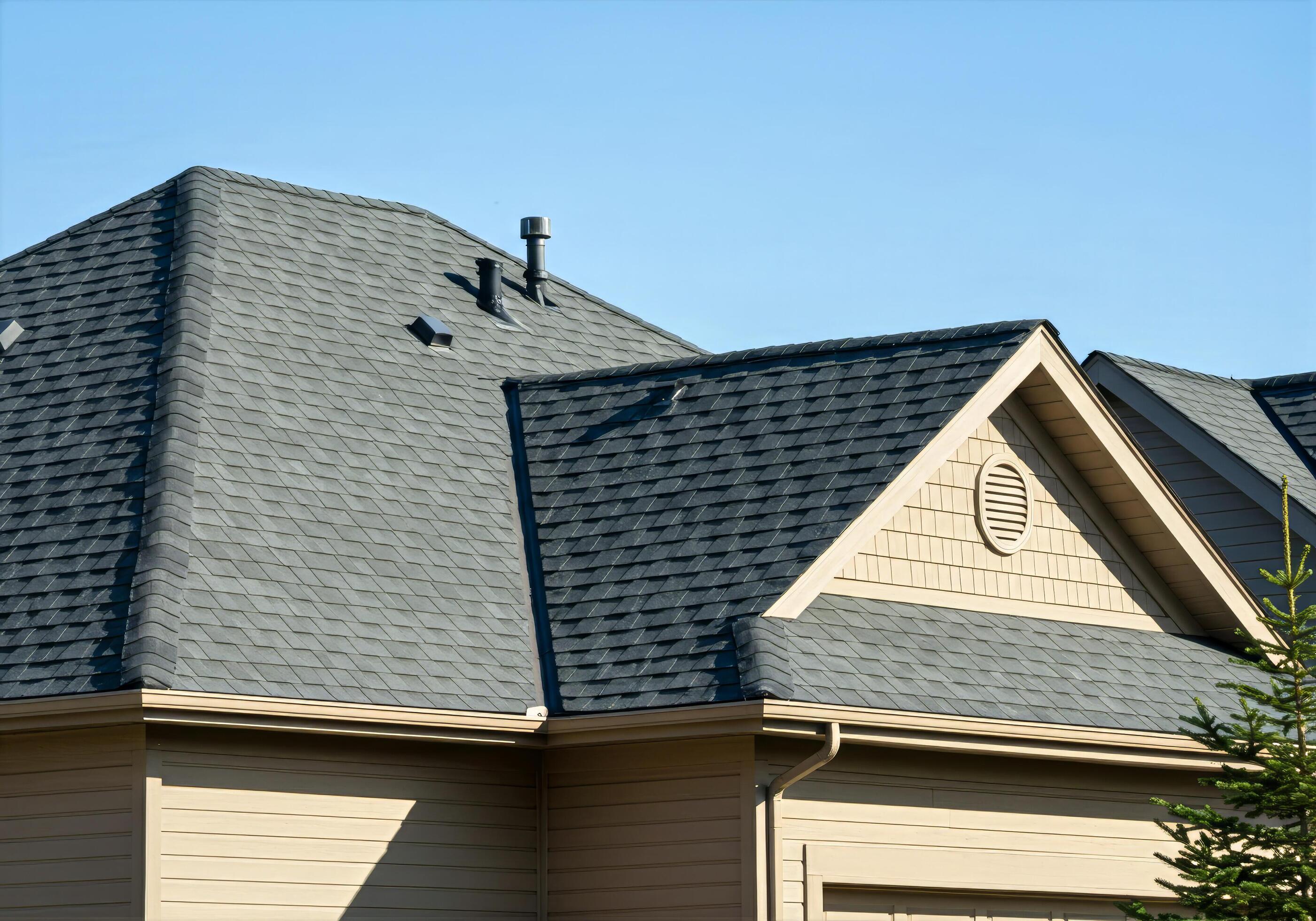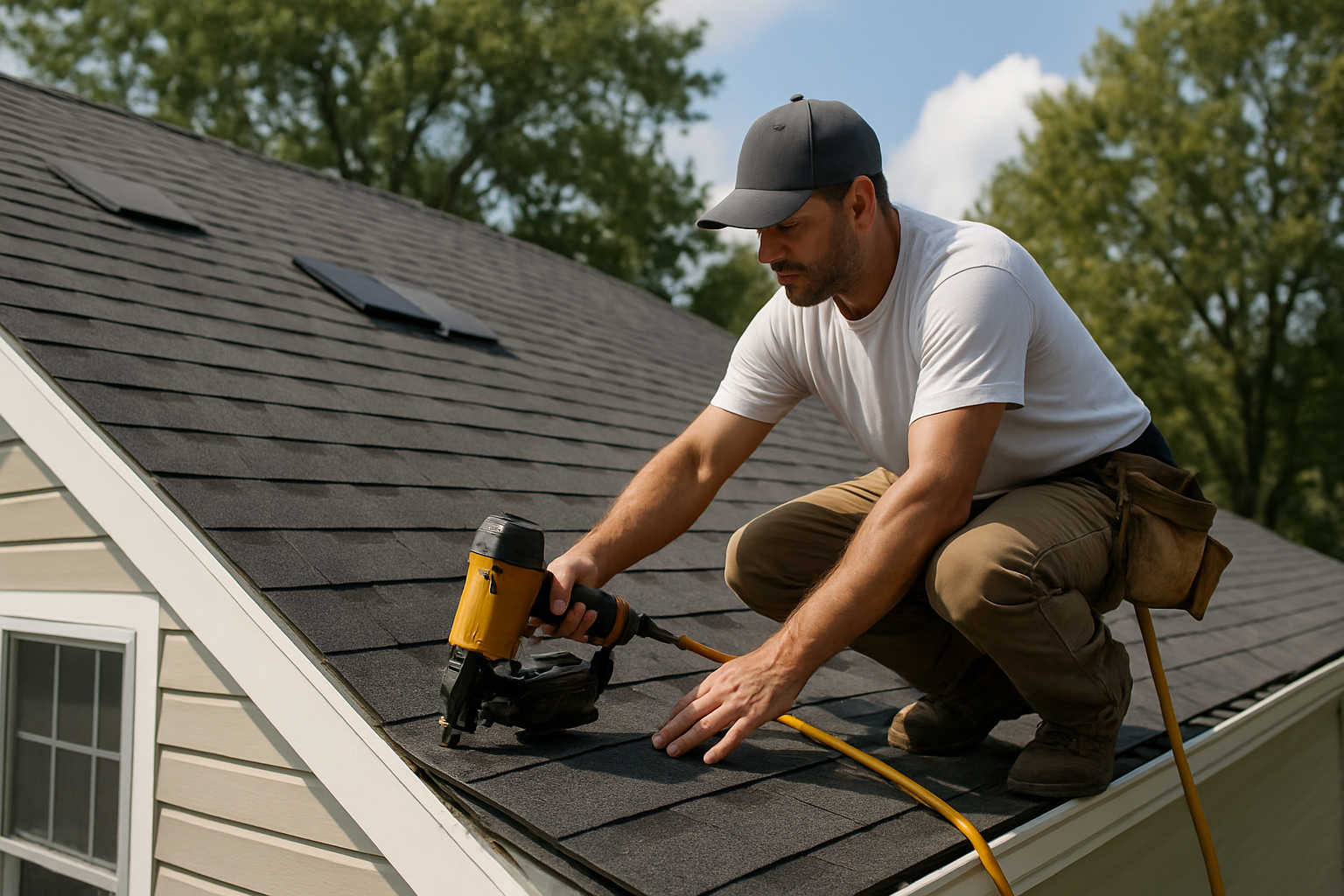
Our crew lifts a shingle by hand at your roof plane, and on a roof slope the wind has blown hard on, it comes up with no resistance at all. A shingle with a broken seal lies just as flat as a sealed one, so from a driveway in Bonita Springs the two look identical. PRG Roofing & Construction Inc. is based in Fort Myers and serves Bonita Springs, and we inspect a roof after a wind event for exactly that reason. The parts that hold a shingle roof together sit where nobody can see them from the ground.
How Wind Breaks A Seal And Leaves The Shingle Flat
Self-sealing asphalt shingles rely on a heat-activated adhesive strip that glues each shingle to the course below. The strength of that seal sits at the center of how a shingle roof performs in high wind. Wind can peel a shingle up far enough to break the adhesive bond and then set it back down flat. Storm forces loosen the self-seal strip, and fractures turn up in the sealant of shingles that are only partly sealed. Once a tab is free, wind gets under it and generates more uplift force than a fully sealed shingle ever sees, and failure patterns spread outward from the shingles that were already loose. Seal strength also declines as a roof ages, so an older seal has less holding force before the next season of wind.
The Limits Of A Ground-Level Look
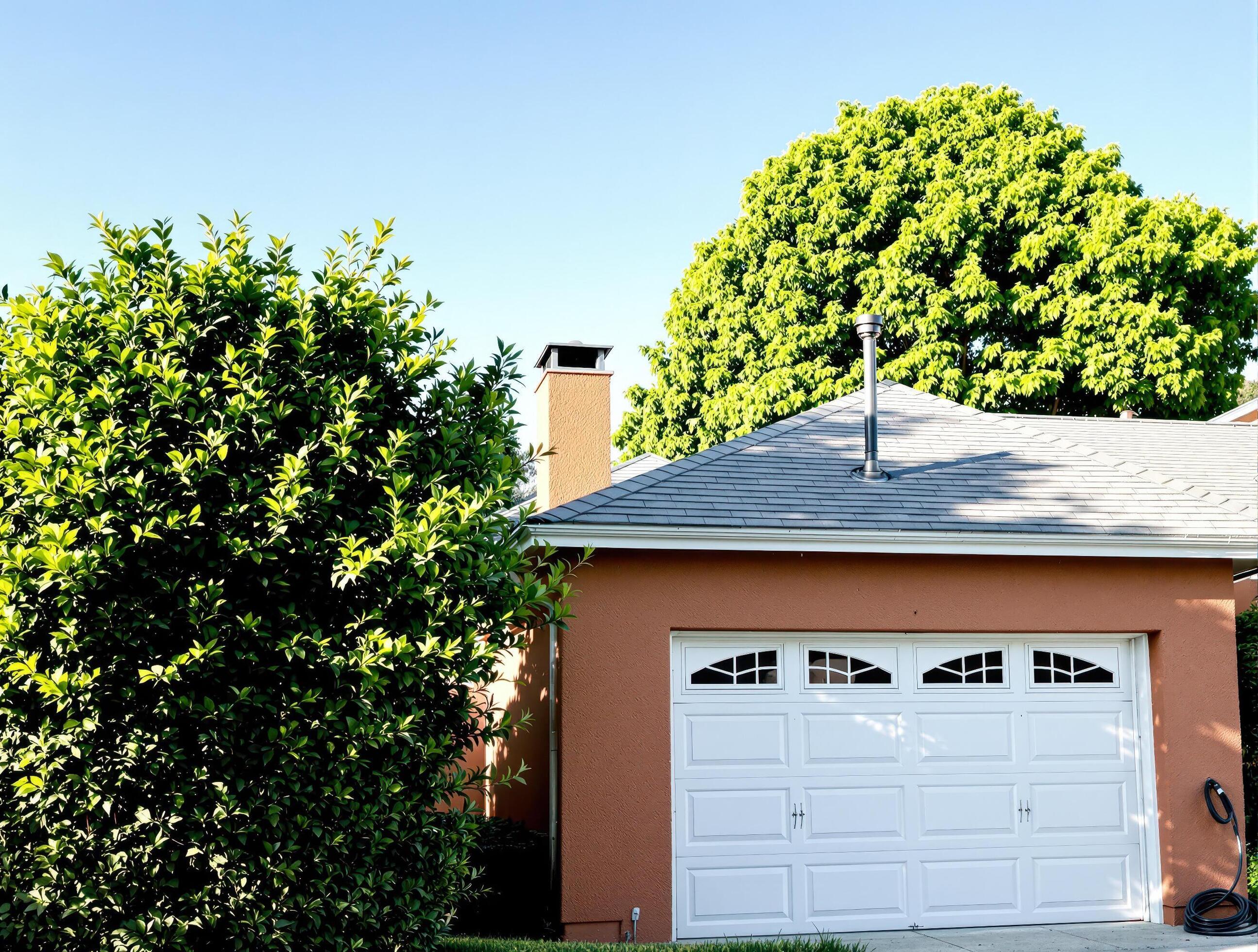
From the ground you can see a missing shingle, a bent ridge cap, and a line of granules washed into the gutter after a storm. Those are real findings, and we account for every one of them. However, the rest of the answer sits up at the roof plane, in details a few inches wide. Wind works on the adhesive strip, on the fasteners, on the flashing at walls and penetrations, and on the pipe boots, and we check whether the layer under the covering is still intact. We rarely decide the call on those findings alone. We give far more weight to the shingle that comes up under two fingers, and it is invisible from the driveway.
The Fracture Inside A Shingle That Looks Whole
Wind bending a shingle backward can fracture the fiberglass mat inside it while the shingle settles back down looking sound. The same holds for impact, since a fractured mat may not be visible right away and tears can radiate out from the point of contact. We read the roof by hand, lifting tabs and checking the creases along each course. Damage of this kind can surface months or years later as the shingles wear, which is why we get up there soon after the storm, before wear hides the break.
How We Read The Weathering At A Fracture
On a storm inspection, our crew reads the age of a break as closely as the break itself. Weathered or discolored asphalt at a fracture point, weathered sealant, and dirt packed under a lifted tab usually indicate damage that progressed over a long stretch of time. We read a sharp-edged fracture with clean asphalt and no soil under the tab as a break that happened recently. We never rest the call on one sign, so we weigh each finding against the roof's age and the storm on record. We photograph both kinds where we find them and write down what each indicates, so your file carries the finding and its age together. Florida gives you one year from the date of loss to put your insurer on notice, and the date of loss beside the date of that notice is what settles the window. The dated photo set does a different job, since it shows an adjuster the break was fresh when we found it.
We Bring The Ladder And The Fall Protection
A broken seal, a fractured mat, and dirt packed under a lifted tab are findings you can only see on top of the roof. Our crew brings the ladders, the anchors, and the fall protection for that work. You stay on the ground, and every finding is placed in a live CompanyCam photo report you can open on your phone the same day, dated and in order.
If Your Roof Looks Untouched, Get It Documented
Our crew reads the seal, the mat, and the weathering at each fracture, then hands you a photographed file with the date on it. That file is how you show the damage came from the storm and not from age, and that’s important to your insurance company and to whether they cover the cost. Call PRG Roofing & Construction Inc. at (239) 237-2906 while the evidence is still on the roof, and schedule a documented storm inspection for your home in Bonita Springs.