 Landscape pros share tips on butterfly gardens
Few beings inspire joy like butterflies. Whether through the eyes of a young child or older person, seeing the colorful and whimsical insects flutter through the sky sparks a unique feeling in many people.
Southwest Florida is an ideal place for people who enjoy butterflies to see them almost year-round. Our temperate climate located along the migration path of the most prevalent species makes this an ideal landing spot for butterflies.
While it’s always a delight to see butterflies during your daily activities, there are ways to attract them to your property through planned landscape practices. As a professional landscaping company, we have seen an uptick in the requests we receive for custom butterfly gardens at our clients’ homes.
Peer Landscaping is located in Fort Myers and we’re happy to have served the custom landscaping needs for people in Southwest Florida for several years. We use our combination of expertise in the field with state of the art technology to create fully custom solutions to bring our clients’ vision to life.
Butterfly gardens can be as ornate and large as the client would like, or it can be a simple project where we install the right plant life to attract butterflies to your area. Our area is home to several species, and depending on your preferences we can recommend different plants and design aspects to attract different colors, sizes and species of butterflies.
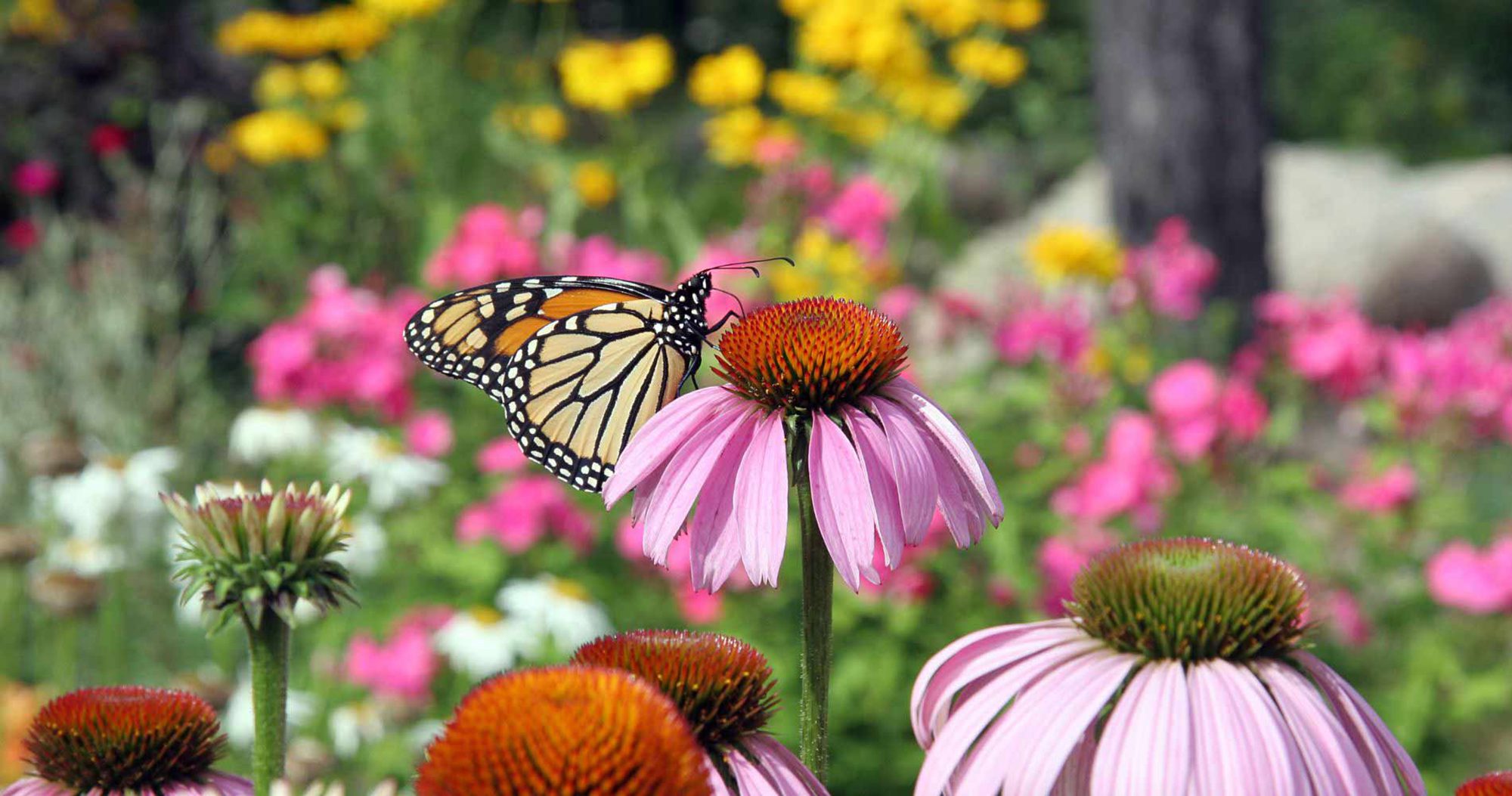
The most popular butterfly in our area, and for most of the country, is the monarch. Beginning their migration from the northern and western US, the monarch passes through Southwest Florida en route to Mexico, and we even have many stay here due to the warm weather and humid climate.
Monarchs specifically are attracted to a plant native to the area known as milkweed. In their larval states as caterpillars, they will exclusively eat milkweed and no other plant. The milkweed not only helps the caterpillar grow, it makes the caterpillar toxic to any predators.
The good news for landscaping purposes is the rich color of milkweed. Bright orange, purple or yellow flowers accompany different types of milkweed and it can be paired with different plants for a visually appealing and effective way to attract monarchs.
Other types of butterflies thrive in the area and are nourished by local plants. The bright yellow cloudless sulphur butterfly eats a bright yellow plant called senna, painted lady butterflies are less picky and feed on many types of local flora and the state insect of Florida, the zebra longwing butterfly, feeds on firebursh, dewdrop and porterweed. These are just a few of the species known to frequent our area.
Including these locally-available plants along with a landscape design which lends itself to open spaces can help bring butterflies directly into your backyard. We can incorporate these plant species with any design and many of our current clients can attest to how much butterflies love these plants.
If you’re considering adding a butterfly garden or have any other landscaping needs, please contact us today!
Landscape pros share tips on butterfly gardens
Few beings inspire joy like butterflies. Whether through the eyes of a young child or older person, seeing the colorful and whimsical insects flutter through the sky sparks a unique feeling in many people.
Southwest Florida is an ideal place for people who enjoy butterflies to see them almost year-round. Our temperate climate located along the migration path of the most prevalent species makes this an ideal landing spot for butterflies.
While it’s always a delight to see butterflies during your daily activities, there are ways to attract them to your property through planned landscape practices. As a professional landscaping company, we have seen an uptick in the requests we receive for custom butterfly gardens at our clients’ homes.
Peer Landscaping is located in Fort Myers and we’re happy to have served the custom landscaping needs for people in Southwest Florida for several years. We use our combination of expertise in the field with state of the art technology to create fully custom solutions to bring our clients’ vision to life.
Butterfly gardens can be as ornate and large as the client would like, or it can be a simple project where we install the right plant life to attract butterflies to your area. Our area is home to several species, and depending on your preferences we can recommend different plants and design aspects to attract different colors, sizes and species of butterflies.
The most popular butterfly in our area, and for most of the country, is the monarch. Beginning their migration from the northern and western US, the monarch passes through Southwest Florida en route to Mexico, and we even have many stay here due to the warm weather and humid climate.
Monarchs specifically are attracted to a plant native to the area known as milkweed. In their larval states as caterpillars, they will exclusively eat milkweed and no other plant. The milkweed not only helps the caterpillar grow, it makes the caterpillar toxic to any predators.
The good news for landscaping purposes is the rich color of milkweed. Bright orange, purple or yellow flowers accompany different types of milkweed and it can be paired with different plants for a visually appealing and effective way to attract monarchs.
Other types of butterflies thrive in the area and are nourished by local plants. The bright yellow cloudless sulphur butterfly eats a bright yellow plant called senna, painted lady butterflies are less picky and feed on many types of local flora and the state insect of Florida, the zebra longwing butterfly, feeds on firebursh, dewdrop and porterweed. These are just a few of the species known to frequent our area.
Including these locally-available plants along with a landscape design which lends itself to open spaces can help bring butterflies directly into your backyard. We can incorporate these plant species with any design and many of our current clients can attest to how much butterflies love these plants.
If you’re considering adding a butterfly garden or have any other landscaping needs, please contact us today!
Fort Myers, FL - Tips for Creating a Butterfly Garden from a Pro Landscaper
SYNOPSIS: Southwest Florida is an ideal place for a butterfly garden, and our pros give tips on creating a beautiful garden to attract many types of butterflies.
Attract butterflies with the right landscaping
BY: ,
Landscape pros share tips on butterfly gardens
Few beings inspire joy like butterflies. Whether through the eyes of a young child or older person, seeing the colorful and whimsical insects flutter through the sky sparks a unique feeling in many people.
Southwest Florida is an ideal place for people who enjoy butterflies to see them almost year-round. Our temperate climate located along the migration path of the most prevalent species makes this an ideal landing spot for butterflies.
While it’s always a delight to see butterflies during your daily activities, there are ways to attract them to your property through planned landscape practices. As a professional landscaping company, we have seen an uptick in the requests we receive for custom butterfly gardens at our clients’ homes.
Peer Landscaping is located in Fort Myers and we’re happy to have served the custom landscaping needs for people in Southwest Florida for several years. We use our combination of expertise in the field with state of the art technology to create fully custom solutions to bring our clients’ vision to life.
Butterfly gardens can be as ornate and large as the client would like, or it can be a simple project where we install the right plant life to attract butterflies to your area. Our area is home to several species, and depending on your preferences we can recommend different plants and design aspects to attract different colors, sizes and species of butterflies.
The most popular butterfly in our area, and for most of the country, is the monarch. Beginning their migration from the northern and western US, the monarch passes through Southwest Florida en route to Mexico, and we even have many stay here due to the warm weather and humid climate.
Monarchs specifically are attracted to a plant native to the area known as milkweed. In their larval states as caterpillars, they will exclusively eat milkweed and no other plant. The milkweed not only helps the caterpillar grow, it makes the caterpillar toxic to any predators.
The good news for landscaping purposes is the rich color of milkweed. Bright orange, purple or yellow flowers accompany different types of milkweed and it can be paired with different plants for a visually appealing and effective way to attract monarchs.
Other types of butterflies thrive in the area and are nourished by local plants. The bright yellow cloudless sulphur butterfly eats a bright yellow plant called senna, painted lady butterflies are less picky and feed on many types of local flora and the state insect of Florida, the zebra longwing butterfly, feeds on firebursh, dewdrop and porterweed. These are just a few of the species known to frequent our area.
Including these locally-available plants along with a landscape design which lends itself to open spaces can help bring butterflies directly into your backyard. We can incorporate these plant species with any design and many of our current clients can attest to how much butterflies love these plants.
If you’re considering adding a butterfly garden or have any other landscaping needs, please contact us today!