 The atlas at the very top of your neck does far more than hold up your head. For many of my patients in Fort Myers, Cape Coral, and throughout Southwest Florida, its alignment directly affects how their immune system responds, how much inflammation they carry, and even how their bodies handle autoimmune challenges.
The atlas, or C1 vertebra, sits at the base of the skull and surrounds the brainstem, which is the main control center for communication between your brain and body. Nearly every nerve signal that coordinates immune function, inflammation, digestion, and healing passes through this region.
When the atlas is in proper alignment, nerve messages can travel freely, like water through a straight, open pipe. When it shifts out of place, even slightly, it can create mechanical tension and irritation around the brainstem and upper spinal cord, which may interfere with the nervous system’s ability to regulate the immune response. Over time, this can contribute to problems such as fatigue, increased susceptibility to illness, or flare ups of inflammatory and autoimmune conditions.
The atlas at the very top of your neck does far more than hold up your head. For many of my patients in Fort Myers, Cape Coral, and throughout Southwest Florida, its alignment directly affects how their immune system responds, how much inflammation they carry, and even how their bodies handle autoimmune challenges.
The atlas, or C1 vertebra, sits at the base of the skull and surrounds the brainstem, which is the main control center for communication between your brain and body. Nearly every nerve signal that coordinates immune function, inflammation, digestion, and healing passes through this region.
When the atlas is in proper alignment, nerve messages can travel freely, like water through a straight, open pipe. When it shifts out of place, even slightly, it can create mechanical tension and irritation around the brainstem and upper spinal cord, which may interfere with the nervous system’s ability to regulate the immune response. Over time, this can contribute to problems such as fatigue, increased susceptibility to illness, or flare ups of inflammatory and autoimmune conditions.
The Atlas, Vagus Nerve, and Inflammation
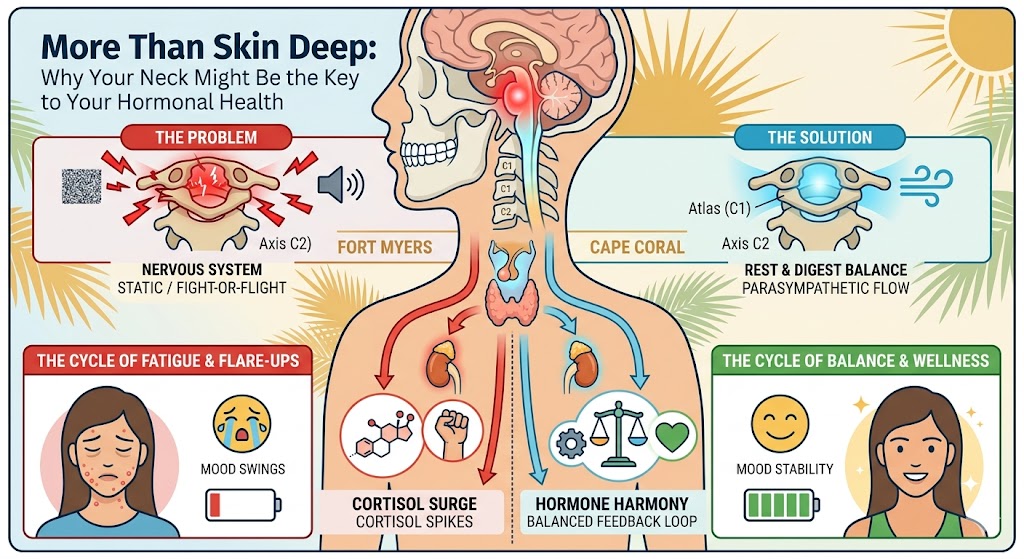
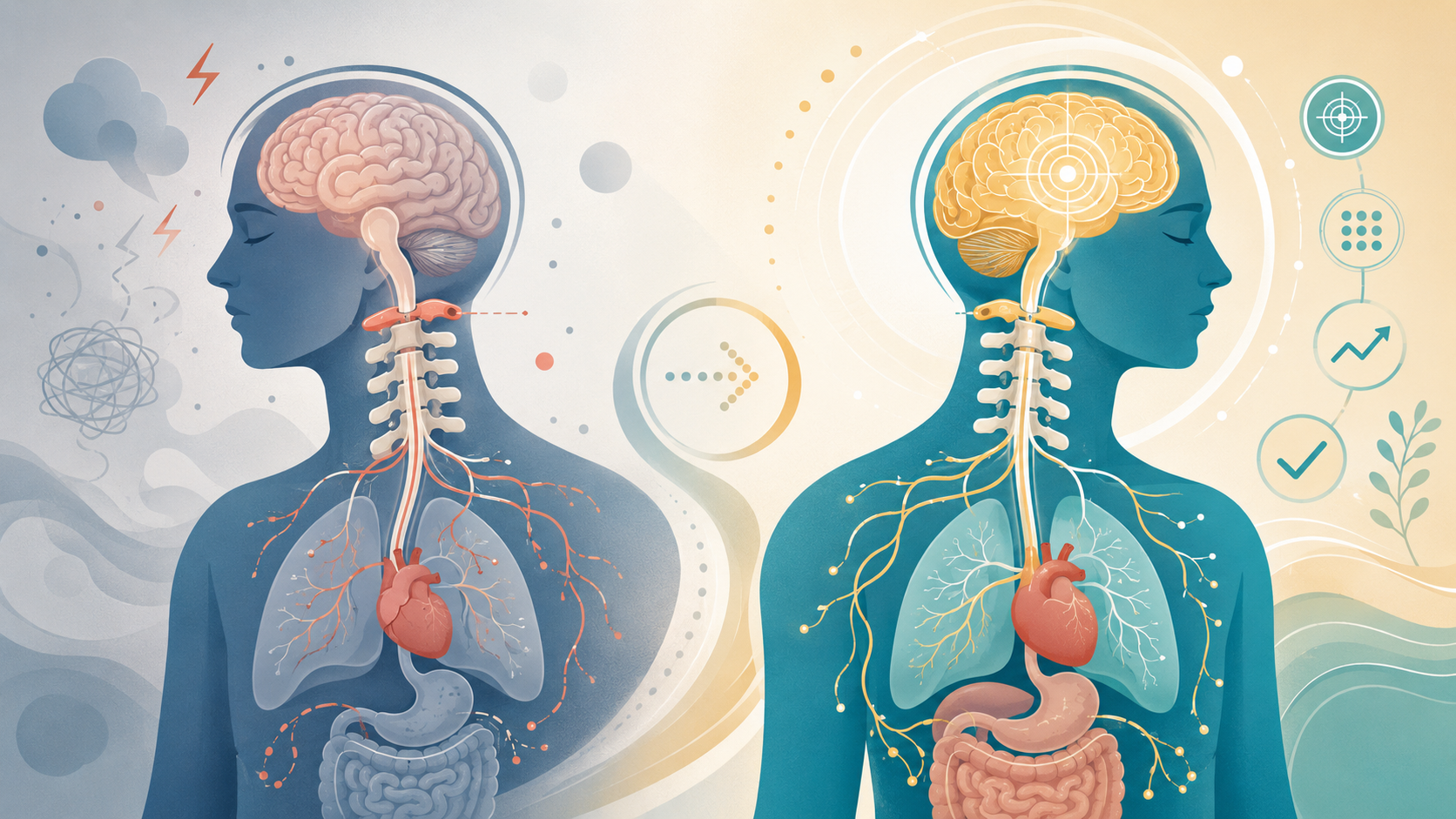
One of the most important connections I talk about with my patients is the relationship between the atlas and the vagus nerve. The vagus nerve originates in the brainstem and travels down through the neck, passing very close to the atlas as it continues into the chest and abdomen. This nerve helps your body switch from “fight or flight” into “rest, digest, and heal,” and it plays a major role in calming inflammation and supporting balanced immune activity. When atlas alignment is off, it can place stress on the area where the vagus nerve passes, which may reduce vagal tone and make it harder for your body to shut down chronic stress and inflammatory responses. That is one reason some people notice that upper cervical corrections help them feel calmer, sleep better, and experience fewer flare ups of inflammatory symptoms over time.How Upper Cervical Misalignment Can Affect Autoimmune Issues
Autoimmune and inflammatory conditions are complex and always require a comprehensive approach. At the same time, clinical observation and emerging research suggest that when the nervous system is under constant strain, it can contribute to immune dysregulation and a higher inflammatory load. If the atlas is misaligned, it may:- Disrupt nerve pathways involved in immune coordination and endocrine balance.
- Impair optimal circulation of blood and cerebrospinal fluid around the brain and spinal cord, which are both important for clearing waste and supporting healthy immune signaling.
- Reduce vagus nerve activity, which normally helps keep systemic inflammation in check.