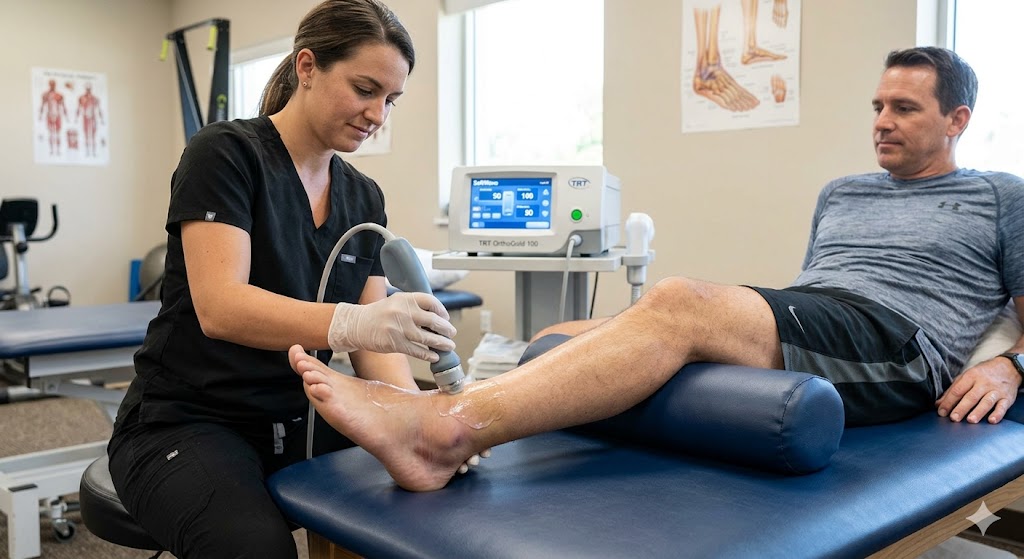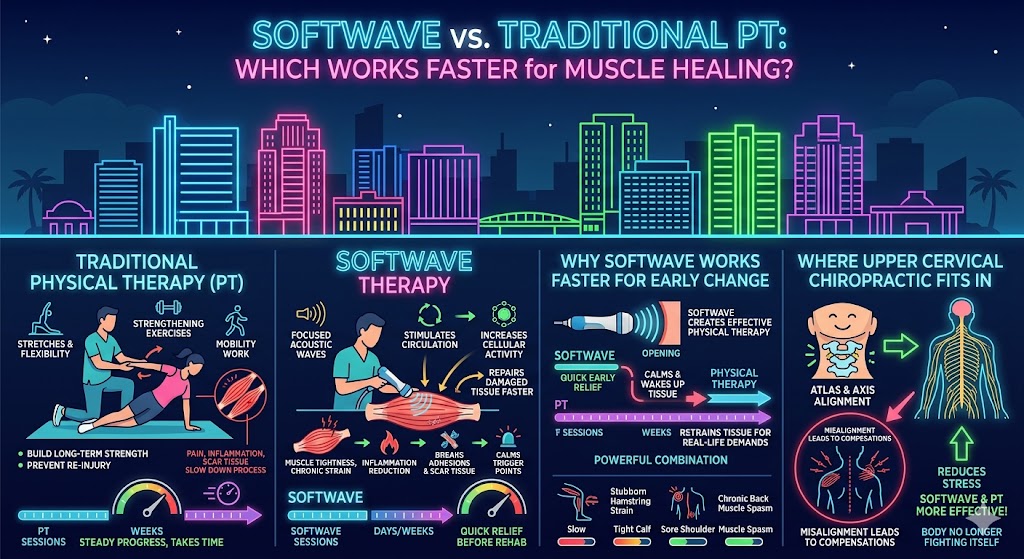
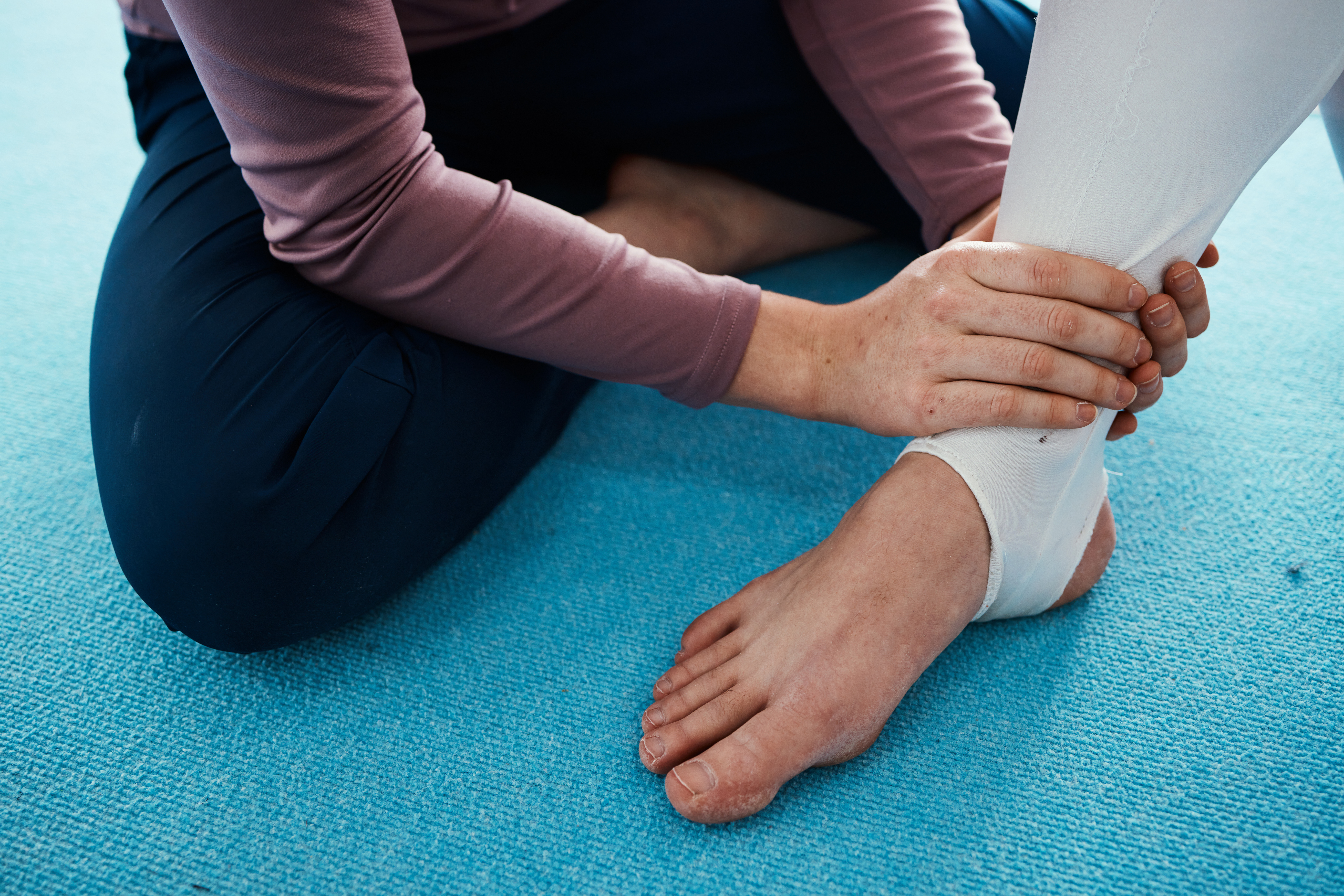
 As someone who has treated countless ankle injuries throughout my career, I've witnessed the frustration patients experience when traditional treatments leave them sidelined for weeks or even months. I remember treating a college athlete who sprained his ankle during basketball season. Using conventional approaches – rest, ice, compression, and elevation – his recovery was progressing slowly, and he was growing increasingly anxious about missing crucial games. That's when I introduced him to SoftWave Therapy, and the results completely changed how I approach ankle sprain treatment.
SoftWave for Ankle Sprains and Ligament Healing: A Faster Way Back on Your Feet
SYNOPSIS: As someone who has treated countless ankle injuries throughout my career, I've witnessed the frustration patients experience when traditional treatments leave them sidelined for weeks or even months.
SoftWave for Ankle Sprains and Ligament Healing
BY: Dr. Lee Angle, Upper Cervical Health Centers of Fort Myers
As someone who has treated countless ankle injuries throughout my career, I've witnessed the frustration patients experience when traditional treatments leave them sidelined for weeks or even months. I remember treating a college athlete who sprained his ankle during basketball season. Using conventional approaches – rest, ice, compression, and elevation – his recovery was progressing slowly, and he was growing increasingly anxious about missing crucial games. That's when I introduced him to SoftWave Therapy, and the results completely changed how I approach ankle sprain treatment.