Do you feel simultaneously exhausted yet unable to relax? You’re not alone in experiencing this paradoxical state of being both tired and anxious. This seemingly contradictory condition often stems from autonomic nervous system imbalance, a dysfunction that affects millions of people but remains widely misunderstood, and an issue I treat all the time here at Upper Cervical Health Centers of Fort Myers.

Understanding Your Autonomic Nervous System
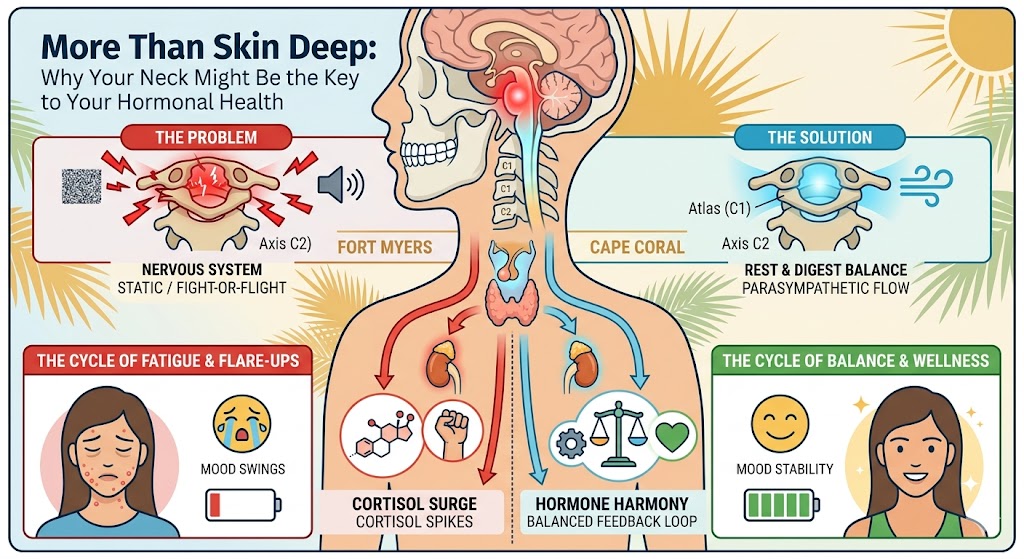
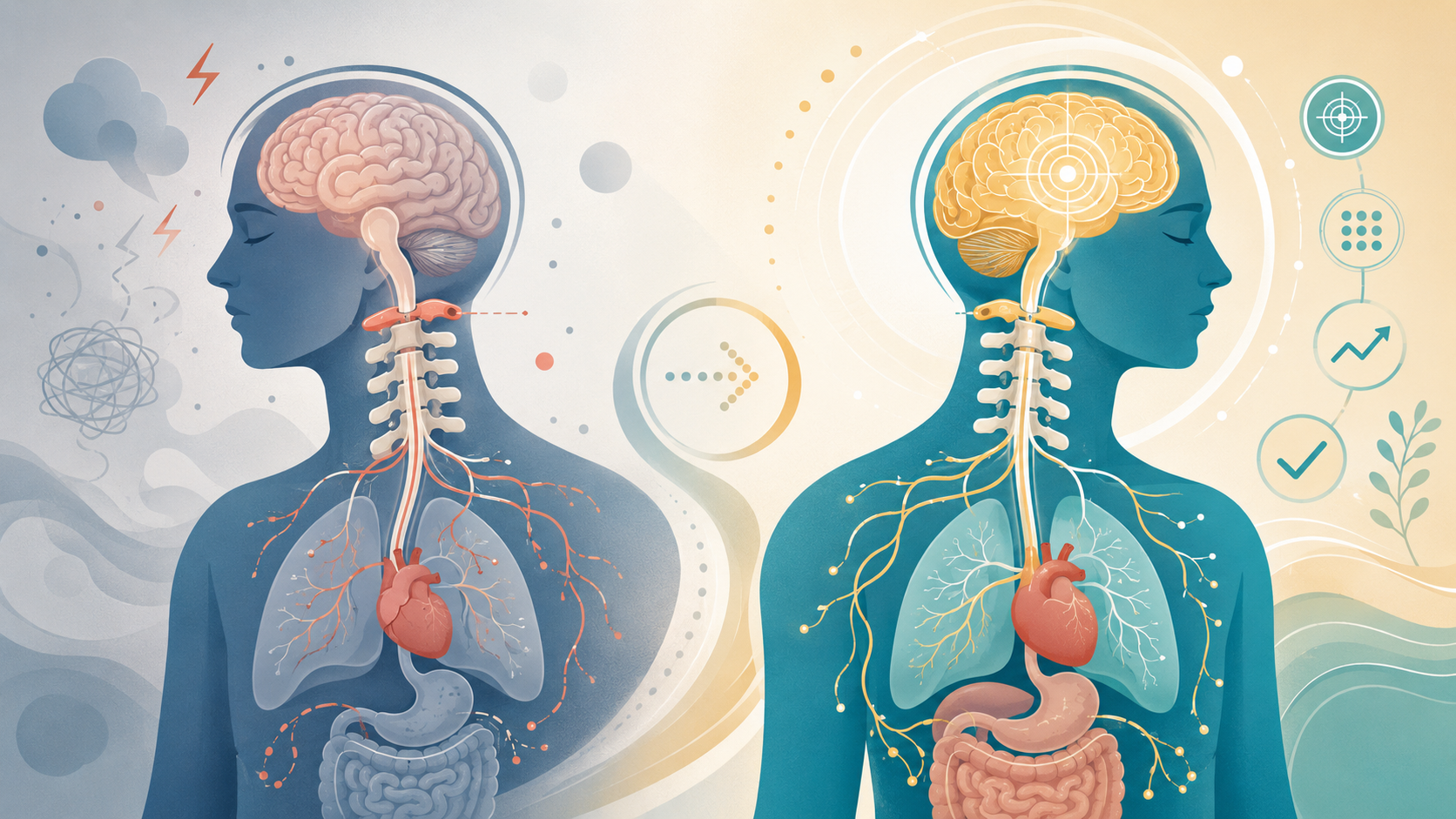
Your autonomic nervous system operates like an internal control center, managing all the involuntary functions that keep you alive. It consists of two primary branches: the sympathetic nervous system, which activates your “fight or flight” response, and the parasympathetic nervous system, responsible for “rest and digest” functions.
In a healthy state, these systems work in harmony, switching between activation and recovery based on your current needs. The sympathetic system kicks in during stressful situations, increasing heart rate, blood pressure, and alertness. Once the stressor passes, the parasympathetic system takes over, promoting relaxation, digestion, and cellular repair.
However, chronic stress, poor lifestyle habits, spinal misalignments, and various health conditions can disrupt this delicate balance, creating a state where both systems remain partially activated simultaneously.
The Exhausted Yet Wired Phenomenon
When your autonomic nervous system becomes imbalanced, you experience a confusing mix of symptoms that seem to contradict each other. Your sympathetic system remains hyperactive, keeping you in a constant state of alertness even when you’re physically depleted. This creates the sensation of being “wired” – your mind races, you feel anxious, and your body maintains tension even when you desperately need rest.
Simultaneously, your parasympathetic system struggles to fully engage, preventing proper recovery and restoration. This leaves you feeling exhausted at a cellular level while your nervous system continues firing stress signals. The result is a persistent state of fatigue combined with an inability to truly relax or achieve restorative sleep.
Common Signs of Autonomic Imbalance
Recognizing autonomic imbalance involves identifying patterns of seemingly contradictory symptoms. You might experience difficulty falling asleep despite feeling bone-tired, or find yourself anxious about situations that wouldn’t normally stress you. Physical manifestations include digestive issues, irregular heart rate, temperature regulation problems, and chronic muscle tension.
Many people report feeling emotionally overwhelmed by minor stressors while simultaneously lacking energy for activities they once enjoyed. Brain fog becomes common as your cognitive resources become divided between maintaining alertness and managing exhaustion.
The Upper Cervical Connection
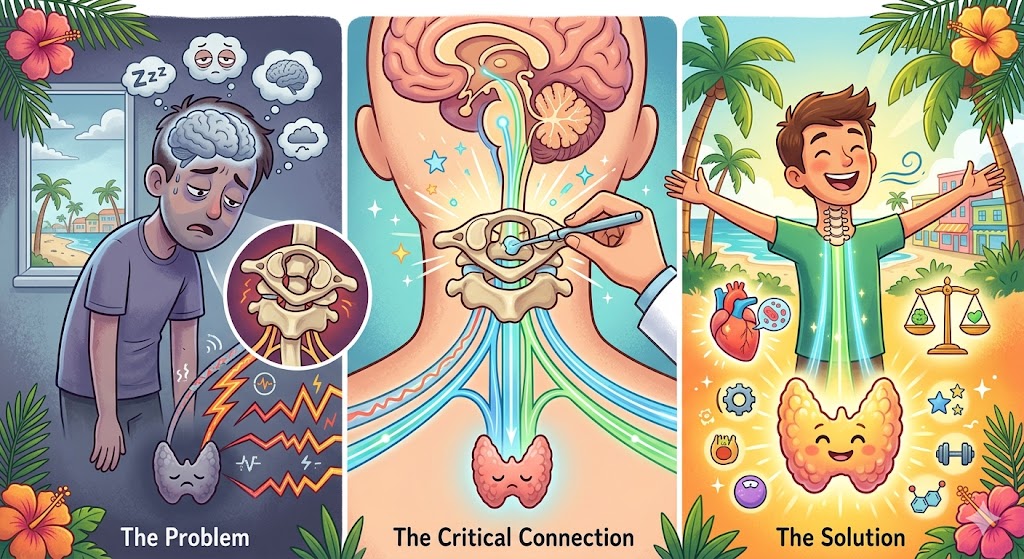
The upper cervical spine plays a crucial role in autonomic nervous system function. The atlas and axis vertebrae house vital neurological pathways that influence autonomic regulation. When these vertebrae become misaligned due to trauma, poor posture, or repetitive stress, they can interfere with proper nerve communication.
This interference disrupts the normal flow of information between your brain and autonomic nervous system, contributing to the imbalanced state where neither sympathetic nor parasympathetic functions operate optimally. Upper cervical adjustments can help restore proper alignment, potentially improving autonomic function and reducing the exhausted-yet-wired sensation.
Breaking the Cycle
Understanding that your symptoms stem from autonomic imbalance rather than separate, unrelated issues is the first step toward recovery. This knowledge helps you recognize that feeling simultaneously tired and anxious isn’t a personal failing or imagined condition – it’s a physiological response to nervous system dysfunction.
Addressing autonomic imbalance requires a comprehensive approach that considers both physical alignment and lifestyle factors. While the journey to balance may take time, recognizing the connection between your symptoms and autonomic dysfunction provides hope for meaningful improvement and lasting relief from this frustrating condition. Call Upper Cervical Health Centers of Fort Myers at 239-243-8810 or visit our website at https://uppercervicalfortmyers.com/ to schedule your free consultation.