 Let’s clear something up—you don’t need to play tennis to end up with tennis elbow. In fact, most of the people I see with this condition have never picked up a racket. They’re stylists, mechanics, landscapers, office workers, even parents lifting toddlers all day long. If you’re using your arms repeatedly and feeling sharp pain in your elbow or forearm, this might sound familiar.
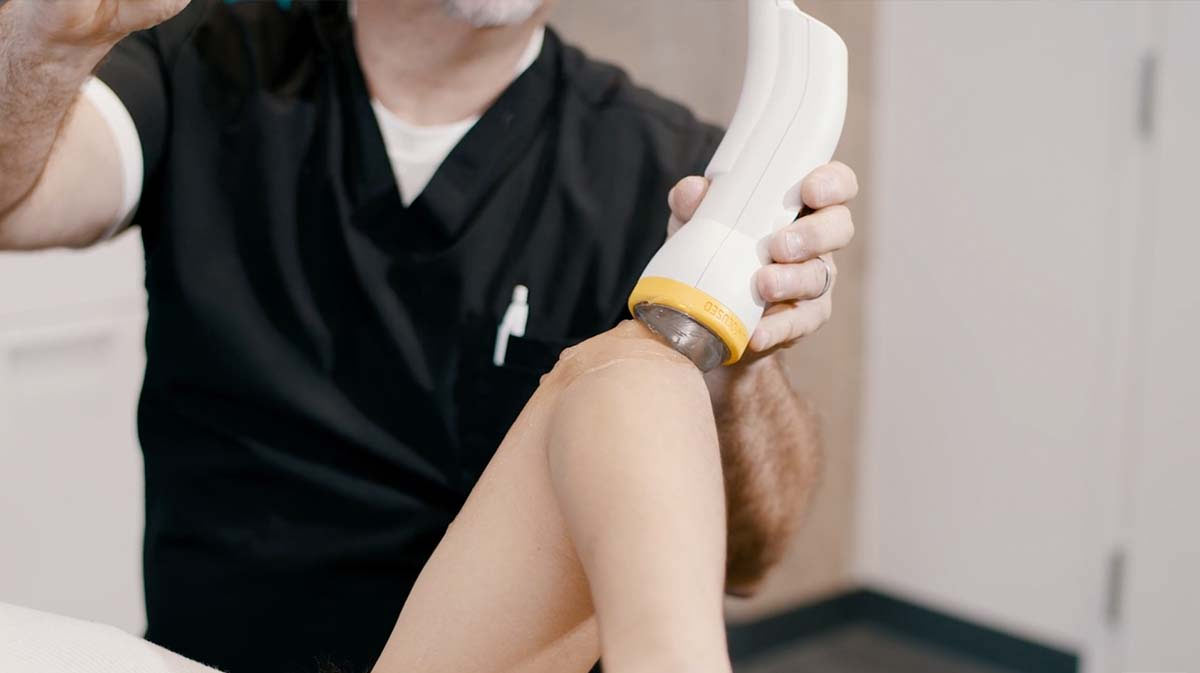
The good news? There’s a way to heal that doesn’t involve cortisone shots, braces, or surgery. It’s called SoftWave Therapy, and it’s quickly becoming one of my favorite tools for treating stubborn elbow pain.
Let’s clear something up—you don’t need to play tennis to end up with tennis elbow. In fact, most of the people I see with this condition have never picked up a racket. They’re stylists, mechanics, landscapers, office workers, even parents lifting toddlers all day long. If you’re using your arms repeatedly and feeling sharp pain in your elbow or forearm, this might sound familiar.
The good news? There’s a way to heal that doesn’t involve cortisone shots, braces, or surgery. It’s called SoftWave Therapy, and it’s quickly becoming one of my favorite tools for treating stubborn elbow pain.
What Is Tennis Elbow?
Tennis elbow—officially known as lateral epicondylitis—happens when the tendons in your forearm become inflamed or develop tiny tears from overuse. These tendons attach to the outside of your elbow and are responsible for wrist extension and grip strength. When they get irritated, it can cause:- Pain or burning on the outer elbow
- Weak grip strength
- Discomfort when lifting, gripping, or twisting
- Stiffness that worsens with activity
Why SoftWave Works (When Other Things Don’t)
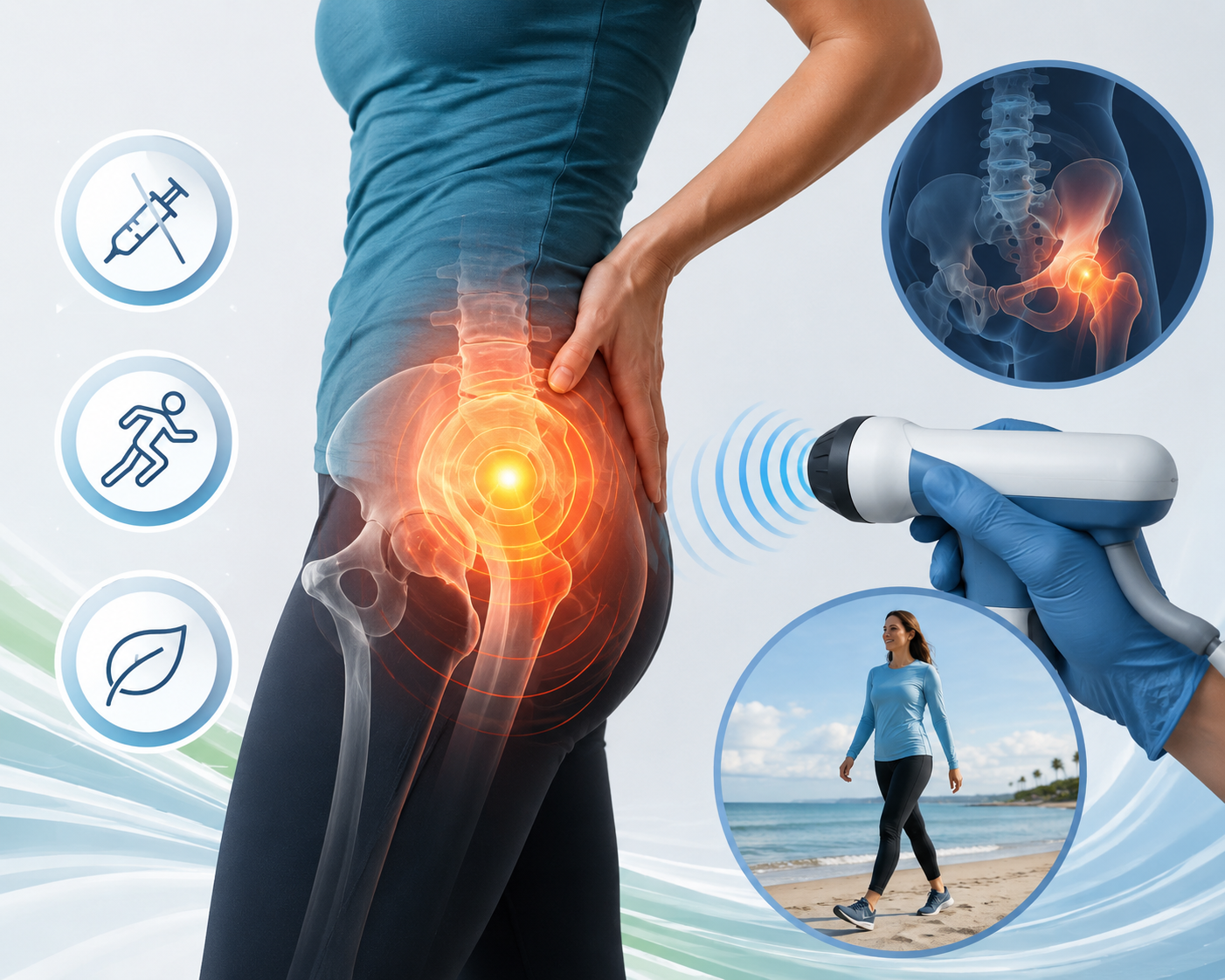
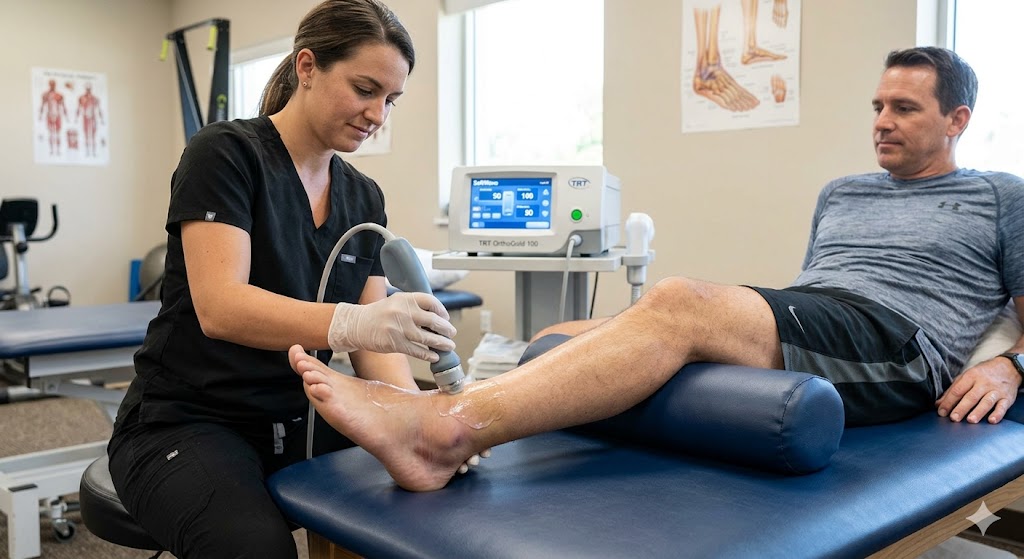
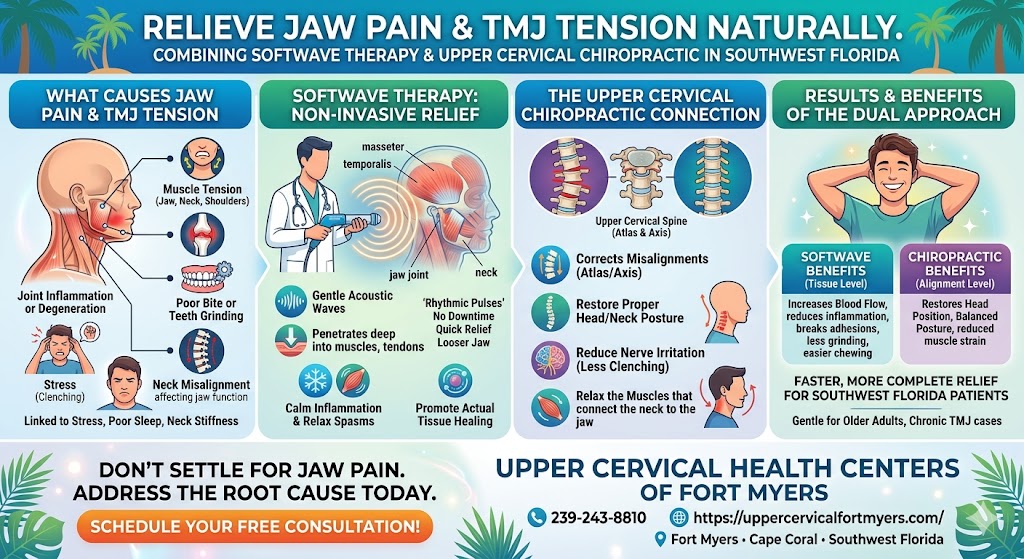
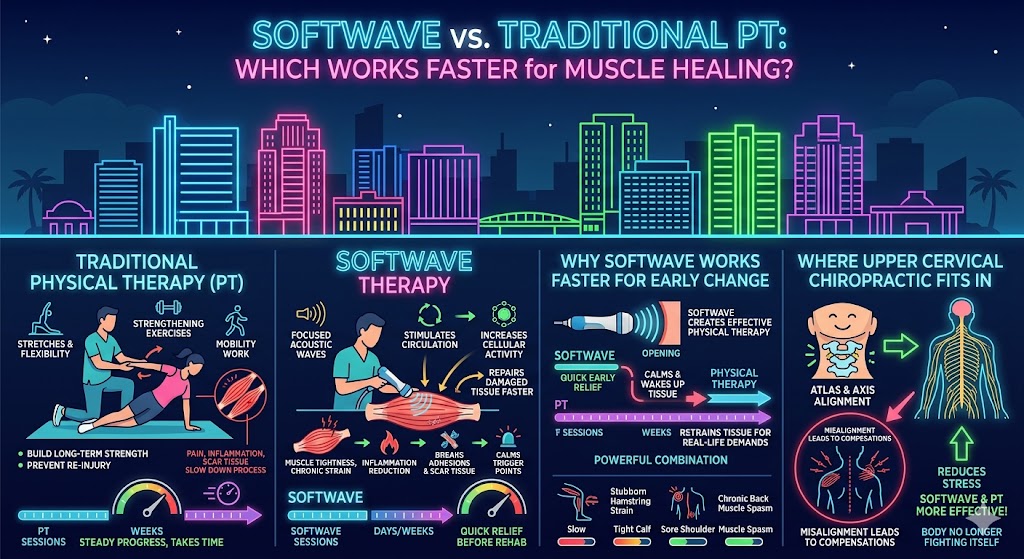
SoftWave Therapy is a non-invasive treatment that uses low-intensity acoustic waves to jump-start your body’s healing response. Think of it like sending a signal directly to the damaged tissue saying, “Hey—fix this.” Here’s how it helps with tennis elbow:- Breaks up scar tissue and adhesions that may be interfering with tendon healing
- Increases circulation to the area, delivering more oxygen and nutrients
- Reduces inflammation and swelling naturally
- Stimulates tissue regeneration and activates stem cells
- Encourages collagen remodeling, helping tendons rebuild stronger and more flexible