 If you’re a woman in your 40s or early 50s, chances are these symptoms sound a little too familiar: hot flashes, mood swings, brain fog, fatigue. They’re all hallmarks of perimenopause—the transitional phase before menopause officially begins—and while every woman’s journey is different, most would agree it’s no walk in the park.
But here’s something you might not know: your nervous system plays a massive role in how your body handles perimenopause. And when your nervous system is out of balance, your symptoms can feel way worse than they need to be. At Upper Cervical Health Centers of Fort Myers, we see this all the time—and the good news is, chiropractic care can help.
If you’re a woman in your 40s or early 50s, chances are these symptoms sound a little too familiar: hot flashes, mood swings, brain fog, fatigue. They’re all hallmarks of perimenopause—the transitional phase before menopause officially begins—and while every woman’s journey is different, most would agree it’s no walk in the park.
But here’s something you might not know: your nervous system plays a massive role in how your body handles perimenopause. And when your nervous system is out of balance, your symptoms can feel way worse than they need to be. At Upper Cervical Health Centers of Fort Myers, we see this all the time—and the good news is, chiropractic care can help.
What Is Perimenopause?
Perimenopause is the stretch of time—often lasting several years—when your hormones begin to shift before your menstrual cycle officially ends. Estrogen and progesterone start fluctuating, and that hormonal rollercoaster can trigger everything from insomnia and anxiety to irregular periods and weight gain. But while hormones are the star of the show, your nervous system is the director behind the scenes.The Nervous System-Hormone Connection
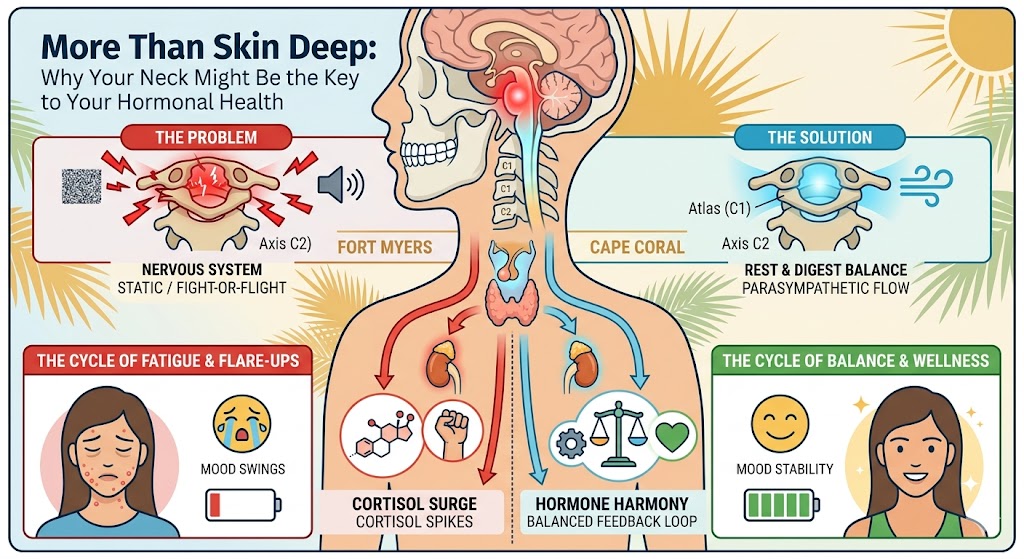
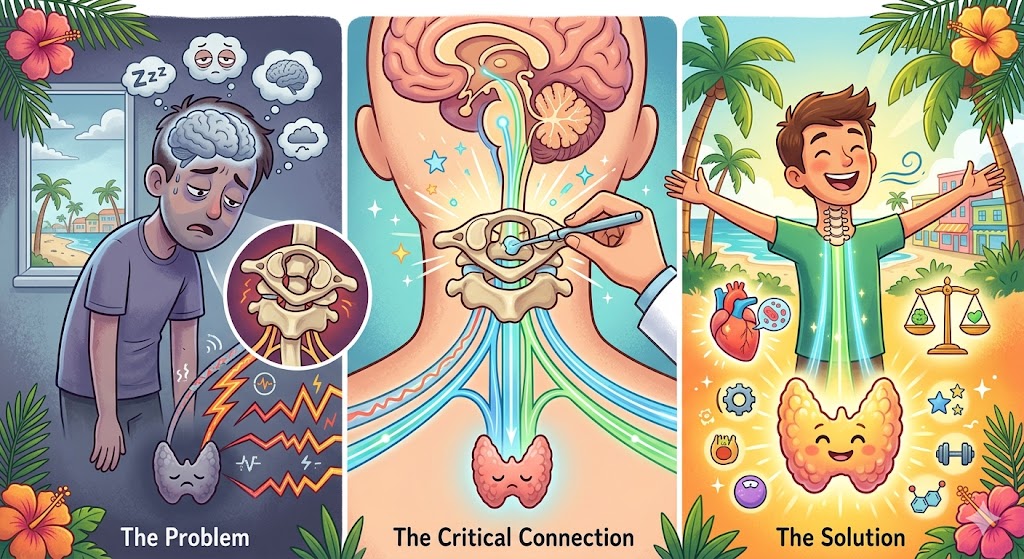
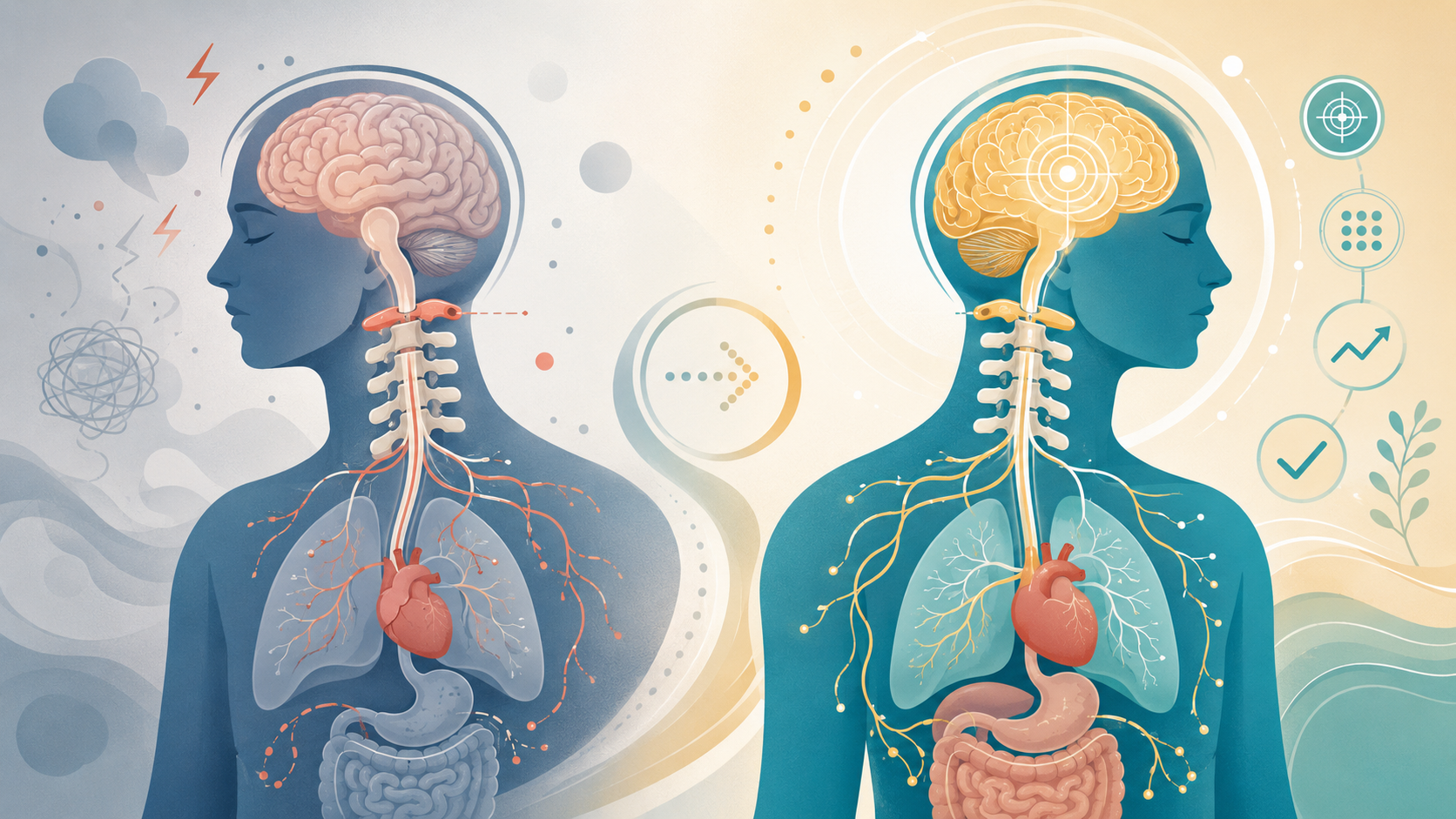
Your brain and body are in constant communication, and that communication runs through your nervous system. At the top of your neck, just below the brain, sits the brainstem—a control center that regulates everything from your sleep cycle to your stress response. Right above that is the hypothalamus, a small but powerful part of your brain responsible for controlling hormones. When the brainstem is irritated or misaligned—like when the top two bones in your neck (the atlas and axis) are out of place—it can throw off the hypothalamus. That miscommunication leads to:- Mood swings
- Irregular or heavy periods
- Hot flashes and night sweats
- Anxiety and irritability
- Brain fog and memory issues
- Sleep disturbances
How Chiropractic Can Help
Our approach focuses on restoring proper alignment to the upper neck, which supports healthy brain-body communication and balances the nervous system. Here’s what we see with our perimenopausal patients:- Improved sleep — fewer wake-ups, deeper rest
- Fewer hot flashes — reduced severity and frequency
- Calmer moods — better emotional regulation
- Sharper thinking — less brain fog, improved memory
- Better hormone balance — more regular cycles and fewer extremes