 Have you ever woken up from a full night’s sleep and still felt groggy, irritable, or foggy-headed—like your brain just didn’t power back on? Or maybe you’ve noticed that you rarely remember your dreams anymore. You’re not alone—and believe it or not, your neck might be part of the problem. I dealt with this issue myself for many years. Let’s talk about REM sleep and what happens when your spine, especially your neck, is out of alignment.
Why REM Sleep Matters
REM (Rapid Eye Movement) sleep is the phase of your sleep cycle where the magic happens. It’s when your brain consolidates memories, regulates emotions, and restores mental clarity. It’s also when you do most of your dreaming. Without enough quality REM sleep, your brain doesn’t reset the way it’s supposed to. That can lead to brain fog, poor concentration, mood swings, and even weakened immunity. So where does your neck fit into all this?Your Neck and Your Nervous System
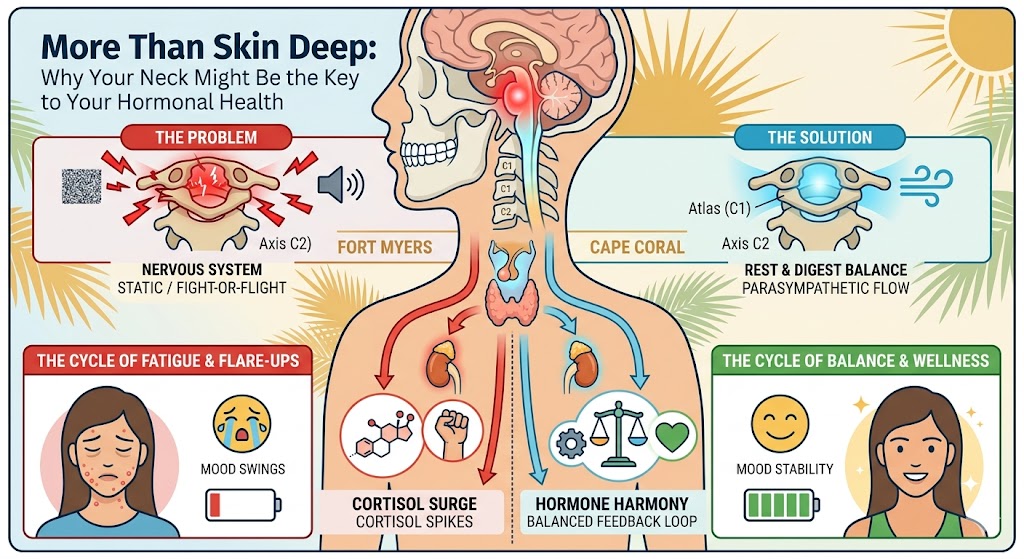
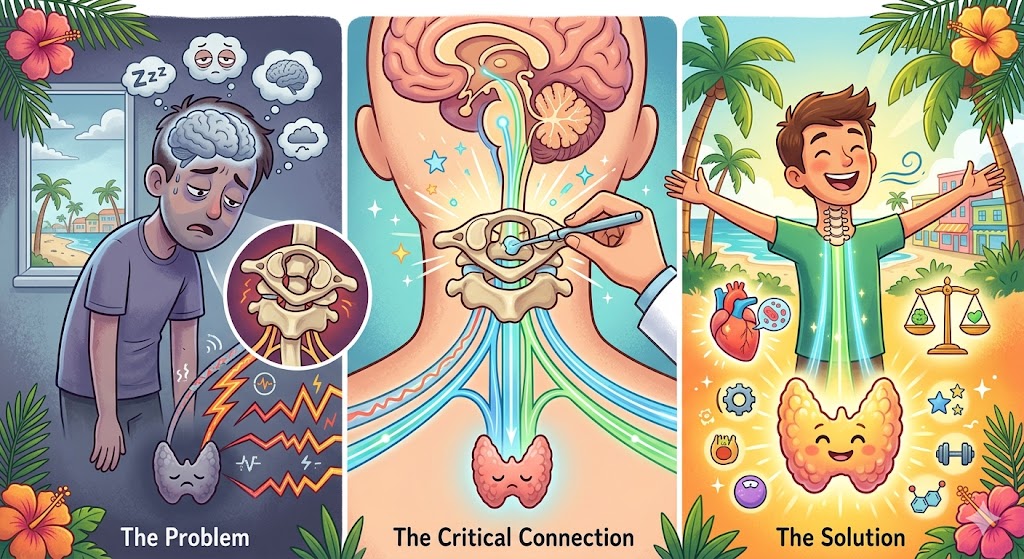
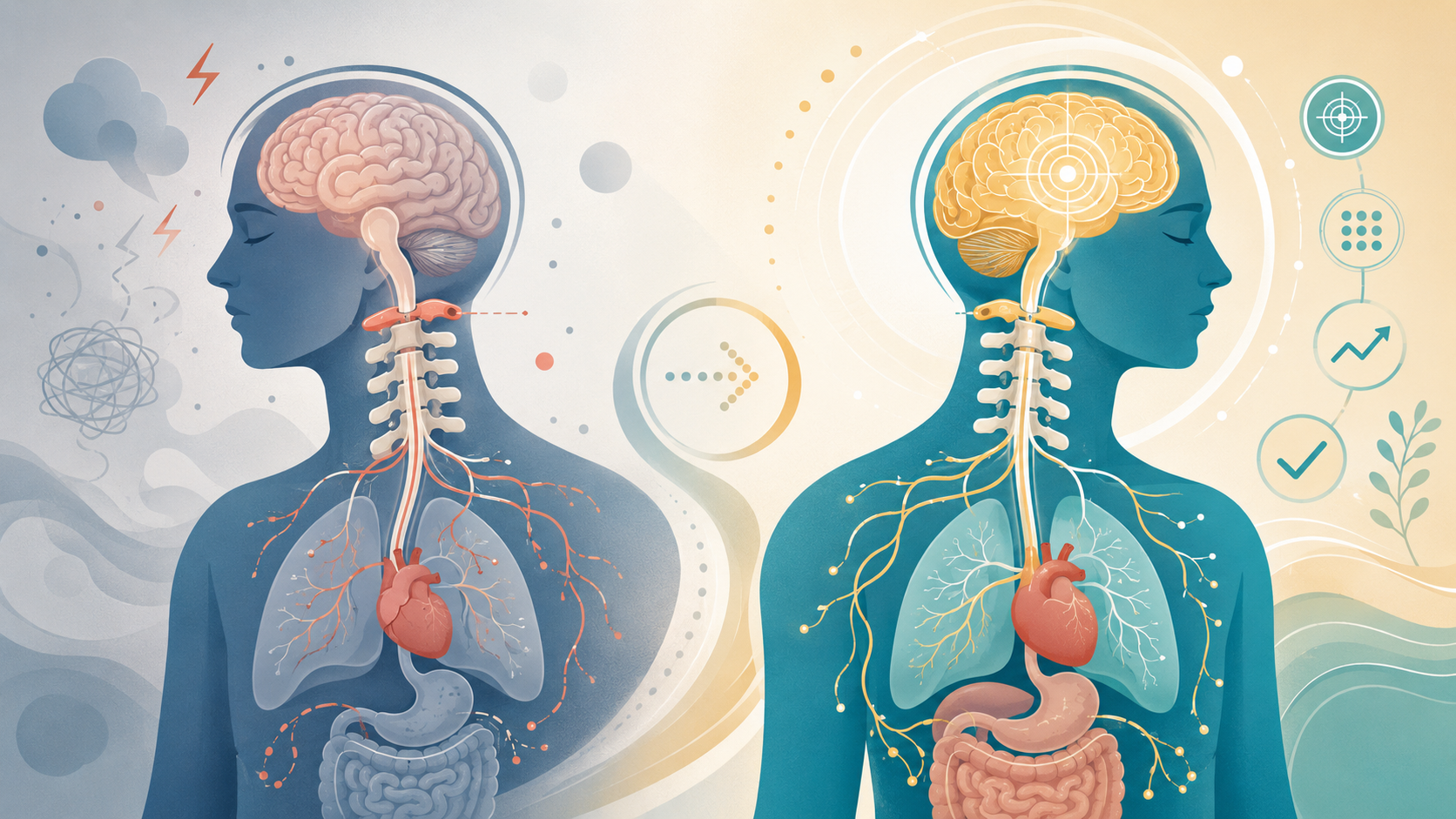
The top two bones in your neck—the atlas and the axis—sit right beneath your brainstem, which controls sleep cycles, heart rate, breathing, and more. When those bones are misaligned, they can interfere with how your brain and body communicate. Think of it like a glitch in your nervous system’s software. That interference doesn’t just cause neck pain or tension headaches. It can throw off your circadian rhythm, block proper melatonin production, and disrupt the signals that guide you through the stages of sleep—especially REM.Misalignment = Miscommunication
When your upper cervical spine is out of alignment, it can create pressure or irritation on the brainstem and vagus nerve. This can lead to:- Interrupted sleep cycles – You may wake up more often or have trouble staying in deep, restorative sleep.
- Suppressed REM activity – Less time in REM means fewer dreams, poorer memory, and slower emotional processing.
- Hormonal imbalance – Misalignment can affect melatonin and cortisol levels, making it harder to fall asleep and stay asleep.
- Autonomic nervous system dysfunction – The fight-or-flight response gets triggered too easily, preventing your body from fully relaxing at night.