 If you’ve been dealing with burning, tingling, or numbness in your hands or feet, you know how frustrating and unpredictable nerve pain can be. Some days, it’s just a mild annoyance. Other days, it keeps you from walking, sleeping, or doing even basic daily activities.
Whether your symptoms are caused by diabetes, injury, surgery, or unknown factors, neuropathy is notoriously difficult to treat. Medications may dull the pain, but they don’t fix the damage. That’s why so many people are turning to SoftWave Therapy as a safe, non-invasive option for healing.
So, what does the research say? Can SoftWave really help with nerve damage?
Let’s take a closer look.
If you’ve been dealing with burning, tingling, or numbness in your hands or feet, you know how frustrating and unpredictable nerve pain can be. Some days, it’s just a mild annoyance. Other days, it keeps you from walking, sleeping, or doing even basic daily activities.
Whether your symptoms are caused by diabetes, injury, surgery, or unknown factors, neuropathy is notoriously difficult to treat. Medications may dull the pain, but they don’t fix the damage. That’s why so many people are turning to SoftWave Therapy as a safe, non-invasive option for healing.
So, what does the research say? Can SoftWave really help with nerve damage?
Let’s take a closer look.
What Is Neuropathy?
Neuropathy is a general term for damage to the peripheral nerves, the ones that send messages between your brain, spinal cord, and the rest of your body. When those nerves are damaged, the signals get scrambled, blocked, or amplified, leading to symptoms like:- Burning, tingling, or “pins and needles”
- Sharp, stabbing pain
- Numbness or weakness in the hands or feet
- Muscle cramping or loss of coordination
- Increased sensitivity to touch or temperature
How SoftWave Therapy Helps
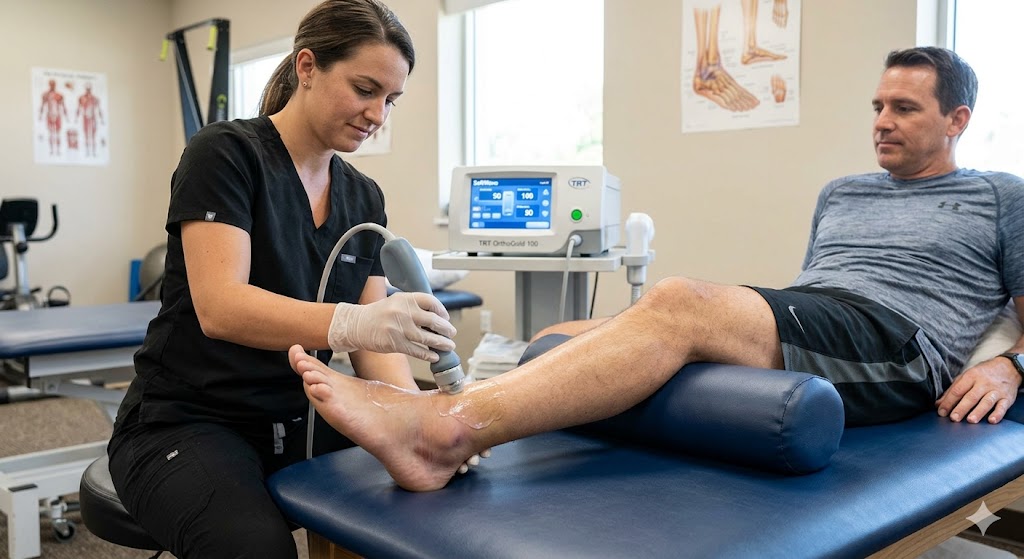
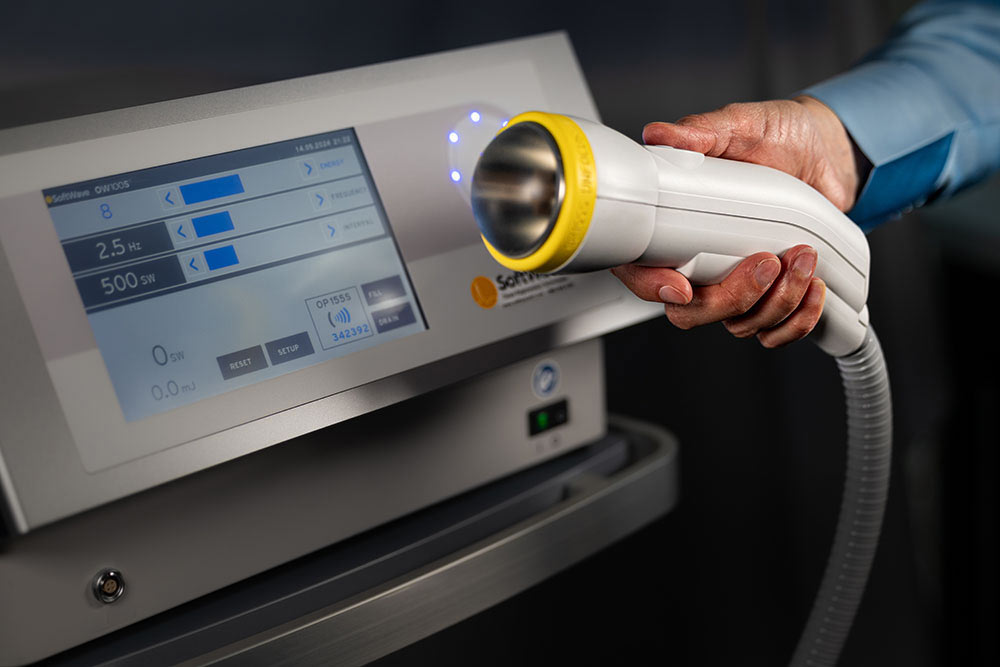
SoftWave Therapy uses low-intensity, focused sound waves (called acoustic waves) to stimulate the body’s natural healing process. It has been used successfully for orthopedic injuries, scar tissue, joint pain, and now, nerve regeneration. When applied to areas affected by neuropathy, SoftWave can:- Increase circulation to bring more oxygen and nutrients to the damaged nerves
- Break up inflammation that’s interfering with nerve signaling
- Stimulate the release of growth factors and stem cells
- Help nerves regenerate and rebuild healthy connections
- Reduce pain by calming overly sensitive nerve endings