 Let’s talk about something heavy—teen depression. It’s a tough subject, but one that’s far too important to ignore. The statistics are heartbreaking: according to suicide.org, a teen takes their own life every 100 minutes. It’s the third leading cause of death among teens, and nearly 1 in 5 teenagers will experience depression before reaching adulthood. That’s a lot of young lives weighed down by pain.
Most of us understand that depression can come from many different places—bullying, trauma, genetics, social media, or even academic pressure. Those external causes get a lot of the attention, and rightly so. But what if part of the issue was internal, and had more to do with how the brain processes information?
Let me walk you through something I’ve learned over years of working with teens in my chiropractic practice—specifically through upper cervical care.
Teen brains are different from adult brains in some key ways. One big difference is in the prefrontal cortex—the area responsible for rational thinking and decision-making. That part of the brain doesn’t fully mature until around age 25. So teens rely a lot more on the emotional part of the brain, the amygdala. That’s the area responsible for processing fear, anxiety, and panic—especially when it's overstimulated.
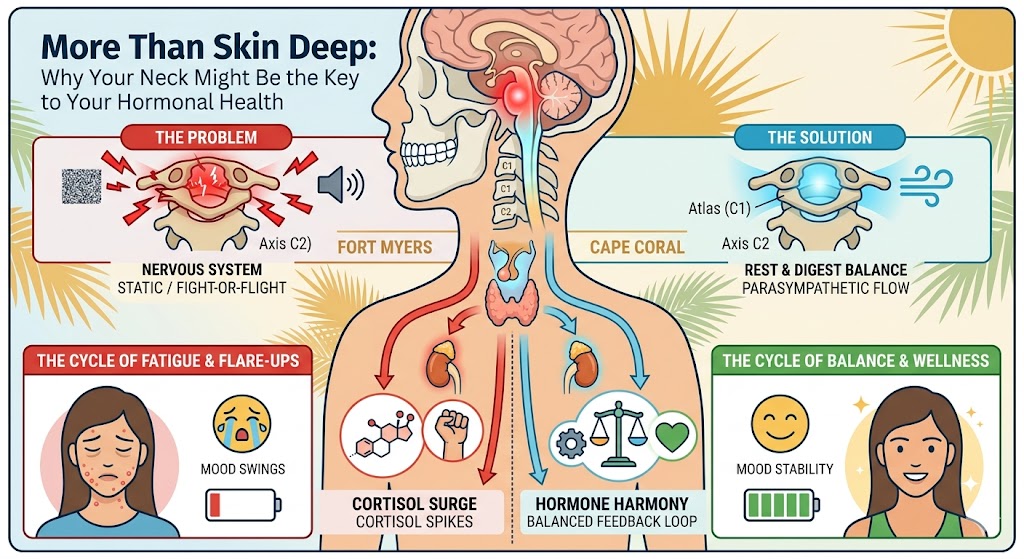
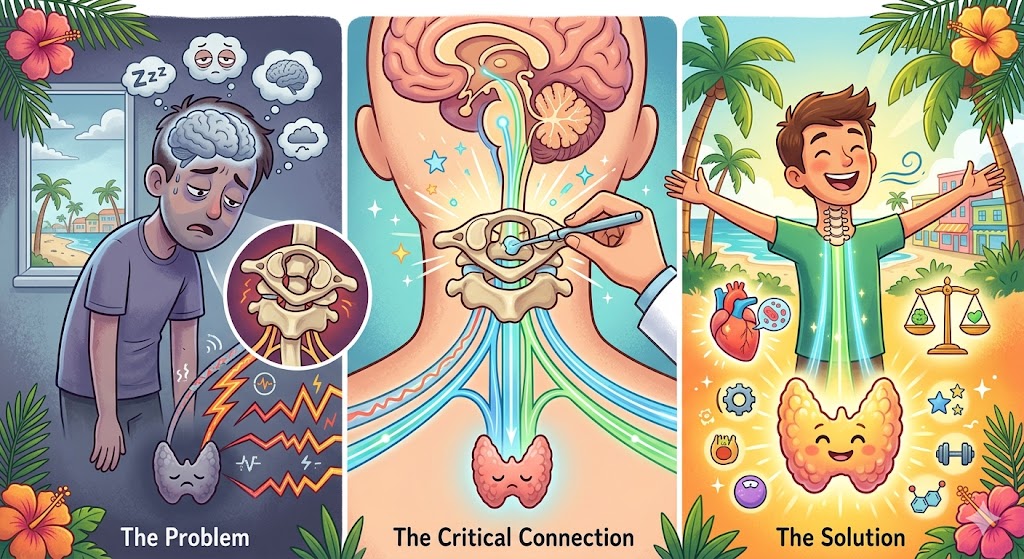
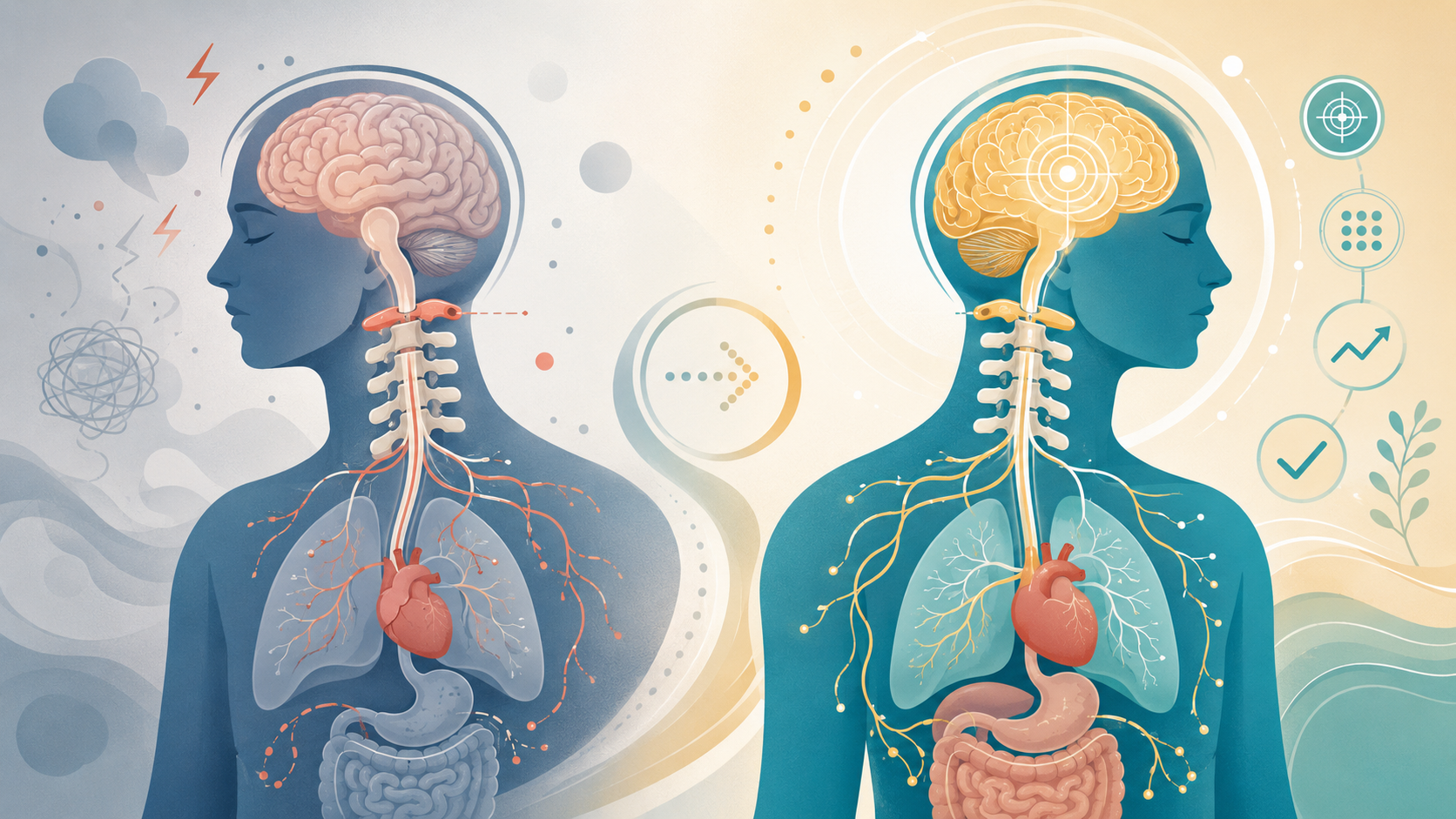
Here’s where things get interesting: all the sensory input we take in—sight, sound, touch—runs through the brainstem before it’s processed by the rest of the brain, including the amygdala. That brainstem sits right where the top two bones of the neck meet the base of the skull. If those bones shift out of alignment—even slightly—they can put pressure on the brainstem and distort the messages it’s trying to send.
In simple terms, the brain gets confused. It receives inaccurate sensory data and starts to overreact emotionally, even if nothing bad is actually happening. It’s like trying to navigate life with a glitchy GPS—it keeps sending you in the wrong direction.
I’ve seen this firsthand. A few years ago, a mom brought in her 14-year-old daughter—we’ll call her Anne. Anne had been battling depression since she was 11. She was withdrawn, anxious, self-harming, and had even attempted suicide twice. Medications and therapy weren’t helping. She was barely leaving the house.
When I examined Anne, I found a significant misalignment in her upper neck. We began gentle, specific upper cervical adjustments. Within just a few weeks, her mom told me she had stopped cutting, started helping around the house, and even began smiling again. Two months in, she was thinking about her future with hope instead of fear.
That was several years ago. Anne is now a thriving adult—she finished school, went to college, and has a career she loves. Her story still gives me chills.
Look, I’m not saying every case of teen depression is caused by a neck misalignment. But I am saying it’s worth checking. If a simple, non-invasive evaluation could make this kind of difference in a teen’s life, wouldn’t it be worth exploring?
Call us at Upper Cervical Health Centers of Fort Myers to schedule a free consultation. It could be the first step toward healing. Call us at 239-243-8810 to schedule your appointment today!
Let’s talk about something heavy—teen depression. It’s a tough subject, but one that’s far too important to ignore. The statistics are heartbreaking: according to suicide.org, a teen takes their own life every 100 minutes. It’s the third leading cause of death among teens, and nearly 1 in 5 teenagers will experience depression before reaching adulthood. That’s a lot of young lives weighed down by pain.
Most of us understand that depression can come from many different places—bullying, trauma, genetics, social media, or even academic pressure. Those external causes get a lot of the attention, and rightly so. But what if part of the issue was internal, and had more to do with how the brain processes information?
Let me walk you through something I’ve learned over years of working with teens in my chiropractic practice—specifically through upper cervical care.
Teen brains are different from adult brains in some key ways. One big difference is in the prefrontal cortex—the area responsible for rational thinking and decision-making. That part of the brain doesn’t fully mature until around age 25. So teens rely a lot more on the emotional part of the brain, the amygdala. That’s the area responsible for processing fear, anxiety, and panic—especially when it's overstimulated.
Here’s where things get interesting: all the sensory input we take in—sight, sound, touch—runs through the brainstem before it’s processed by the rest of the brain, including the amygdala. That brainstem sits right where the top two bones of the neck meet the base of the skull. If those bones shift out of alignment—even slightly—they can put pressure on the brainstem and distort the messages it’s trying to send.
In simple terms, the brain gets confused. It receives inaccurate sensory data and starts to overreact emotionally, even if nothing bad is actually happening. It’s like trying to navigate life with a glitchy GPS—it keeps sending you in the wrong direction.
I’ve seen this firsthand. A few years ago, a mom brought in her 14-year-old daughter—we’ll call her Anne. Anne had been battling depression since she was 11. She was withdrawn, anxious, self-harming, and had even attempted suicide twice. Medications and therapy weren’t helping. She was barely leaving the house.
When I examined Anne, I found a significant misalignment in her upper neck. We began gentle, specific upper cervical adjustments. Within just a few weeks, her mom told me she had stopped cutting, started helping around the house, and even began smiling again. Two months in, she was thinking about her future with hope instead of fear.
That was several years ago. Anne is now a thriving adult—she finished school, went to college, and has a career she loves. Her story still gives me chills.
Look, I’m not saying every case of teen depression is caused by a neck misalignment. But I am saying it’s worth checking. If a simple, non-invasive evaluation could make this kind of difference in a teen’s life, wouldn’t it be worth exploring?
Call us at Upper Cervical Health Centers of Fort Myers to schedule a free consultation. It could be the first step toward healing. Call us at 239-243-8810 to schedule your appointment today!
Fort Myers, FL - Could a Neck Misalignment Be Contributing to Teen Depression?
SYNOPSIS: Let’s talk about something heavy—teen depression. It’s a tough subject, but one that’s far too important to ignore. The statistics are heartbreaking: according to suicide.org, a teen takes their own..
Could a Neck Misalignment Be Contributing to Depression
BY: Dr. Lee Angle, Upper Cervical Health Centers of Fort Myers
Let’s talk about something heavy—teen depression. It’s a tough subject, but one that’s far too important to ignore. The statistics are heartbreaking: according to suicide.org, a teen takes their own life every 100 minutes. It’s the third leading cause of death among teens, and nearly 1 in 5 teenagers will experience depression before reaching adulthood. That’s a lot of young lives weighed down by pain.
Most of us understand that depression can come from many different places—bullying, trauma, genetics, social media, or even academic pressure. Those external causes get a lot of the attention, and rightly so. But what if part of the issue was internal, and had more to do with how the brain processes information?
Let me walk you through something I’ve learned over years of working with teens in my chiropractic practice—specifically through upper cervical care.
Teen brains are different from adult brains in some key ways. One big difference is in the prefrontal cortex—the area responsible for rational thinking and decision-making. That part of the brain doesn’t fully mature until around age 25. So teens rely a lot more on the emotional part of the brain, the amygdala. That’s the area responsible for processing fear, anxiety, and panic—especially when it's overstimulated.
Here’s where things get interesting: all the sensory input we take in—sight, sound, touch—runs through the brainstem before it’s processed by the rest of the brain, including the amygdala. That brainstem sits right where the top two bones of the neck meet the base of the skull. If those bones shift out of alignment—even slightly—they can put pressure on the brainstem and distort the messages it’s trying to send.
In simple terms, the brain gets confused. It receives inaccurate sensory data and starts to overreact emotionally, even if nothing bad is actually happening. It’s like trying to navigate life with a glitchy GPS—it keeps sending you in the wrong direction.
I’ve seen this firsthand. A few years ago, a mom brought in her 14-year-old daughter—we’ll call her Anne. Anne had been battling depression since she was 11. She was withdrawn, anxious, self-harming, and had even attempted suicide twice. Medications and therapy weren’t helping. She was barely leaving the house.
When I examined Anne, I found a significant misalignment in her upper neck. We began gentle, specific upper cervical adjustments. Within just a few weeks, her mom told me she had stopped cutting, started helping around the house, and even began smiling again. Two months in, she was thinking about her future with hope instead of fear.
That was several years ago. Anne is now a thriving adult—she finished school, went to college, and has a career she loves. Her story still gives me chills.
Look, I’m not saying every case of teen depression is caused by a neck misalignment. But I am saying it’s worth checking. If a simple, non-invasive evaluation could make this kind of difference in a teen’s life, wouldn’t it be worth exploring?
Call us at Upper Cervical Health Centers of Fort Myers to schedule a free consultation. It could be the first step toward healing. Call us at 239-243-8810 to schedule your appointment today!