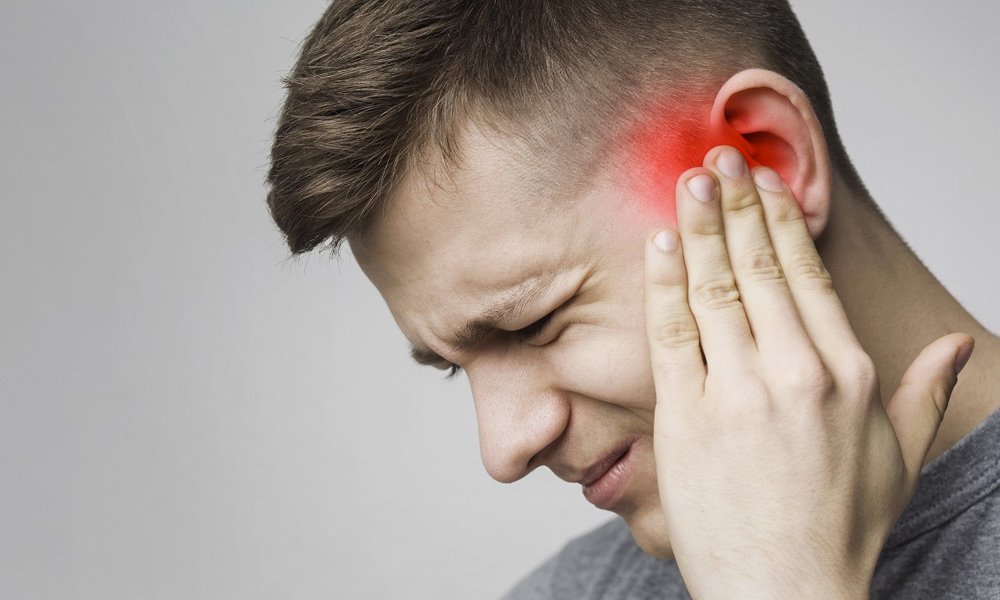
 Tinnitus can be an incredibly frustrating and isolating condition. That constant ringing, buzzing, or roaring in your ears can make it hard to focus, sleep, or even enjoy quiet moments. Unfortunately, traditional medicine has few reliable solutions for tinnitus, leaving many sufferers feeling hopeless.In fact, by the time most tinnitus patients come to my office, they’ve all but given up hope about getting rid of this condition. But what if the root cause of your tinnitus isn’t actually in your ears? What if your neck has something to do with it?
Let’s take a look at what the research says and how Upper Cervical Chiropractic may offer relief for some tinnitus sufferers.
What is Tinnitus?
Tinnitus is the perception of sound without an external source. It can present as:
🔹 Ringing
🔹 Roaring
🔹 Buzzing
🔹 Clicking
🔹 Whining
Some people experience tinnitus constantly, while others have intermittent episodes. Many report that stress, lack of sleep, or certain noises make it worse, but for others, the fluctuations seem random.
Tinnitus is also commonly linked to vertigo, TMJ dysfunction, and brain fog, which suggests it may not just be an issue with the ears.
What Does the Research Say?
Several peer-reviewed studies point to the involvement of two small muscles in the ear:
Tinnitus can be an incredibly frustrating and isolating condition. That constant ringing, buzzing, or roaring in your ears can make it hard to focus, sleep, or even enjoy quiet moments. Unfortunately, traditional medicine has few reliable solutions for tinnitus, leaving many sufferers feeling hopeless.In fact, by the time most tinnitus patients come to my office, they’ve all but given up hope about getting rid of this condition. But what if the root cause of your tinnitus isn’t actually in your ears? What if your neck has something to do with it?
Let’s take a look at what the research says and how Upper Cervical Chiropractic may offer relief for some tinnitus sufferers.
What is Tinnitus?
Tinnitus is the perception of sound without an external source. It can present as:
🔹 Ringing
🔹 Roaring
🔹 Buzzing
🔹 Clicking
🔹 Whining
Some people experience tinnitus constantly, while others have intermittent episodes. Many report that stress, lack of sleep, or certain noises make it worse, but for others, the fluctuations seem random.
Tinnitus is also commonly linked to vertigo, TMJ dysfunction, and brain fog, which suggests it may not just be an issue with the ears.
What Does the Research Say?
Several peer-reviewed studies point to the involvement of two small muscles in the ear:
- The Tensor Tympani and Stapedius Muscles – These muscles help regulate sound transmission. If they become hypertonic (too tight) or spastic, they can create abnormal tension, altering nerve signals and contributing to tinnitus.
- Muscle Spasms & Clicking Tinnitus – Some tinnitus sufferers describe a rhythmic clicking in their ears, which could be caused by involuntary contractions of these muscles.
- Anti-anxiety medication
- Muscle relaxers
- Alcohol (like wine)
- 30% of patients see a 90% improvement in their tinnitus.
- 40% experience a 50–70% reduction in symptoms.
- 20% don’t see changes, but often notice other health benefits.
- Many tinnitus sufferers first developed symptoms after a neck injury—often from whiplash, poor posture, or trauma.
- These injuries can cause misalignments in the upper cervical spine, affecting the nerves that control the tensor tympani and stapedius muscles.
- When these muscles receive abnormal nerve signals, they can spasm, tighten, and contribute to tinnitus symptoms.
- By correcting subluxations (misalignments) in the upper cervical spine, chiropractic care can restore proper nerve function, helping the body heal and reducing tinnitus symptoms.