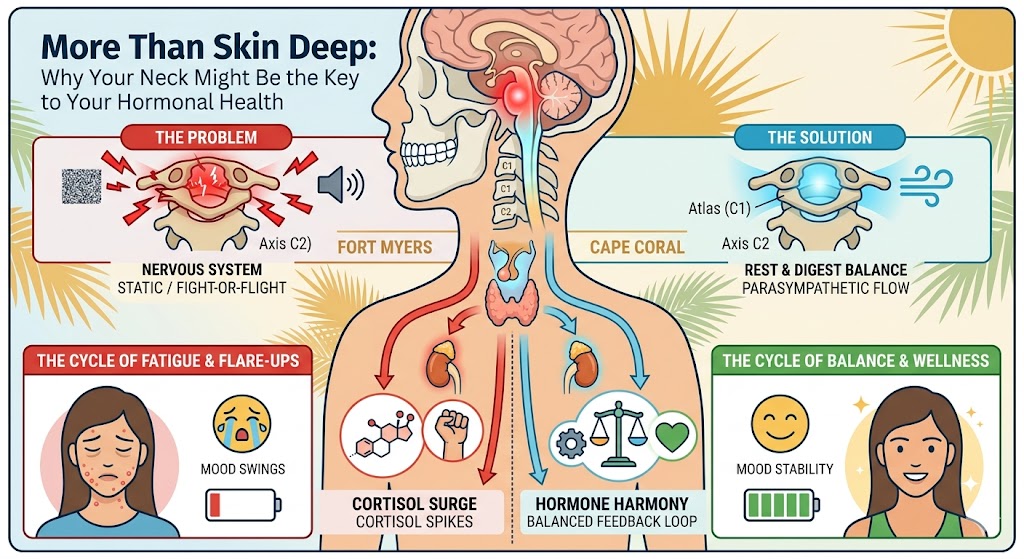
 When was the last time you thought about the curve in your neck? If you’re like most people, the answer is probably never. But as a chiropractor, I can tell you—your cervical curve is a big deal.
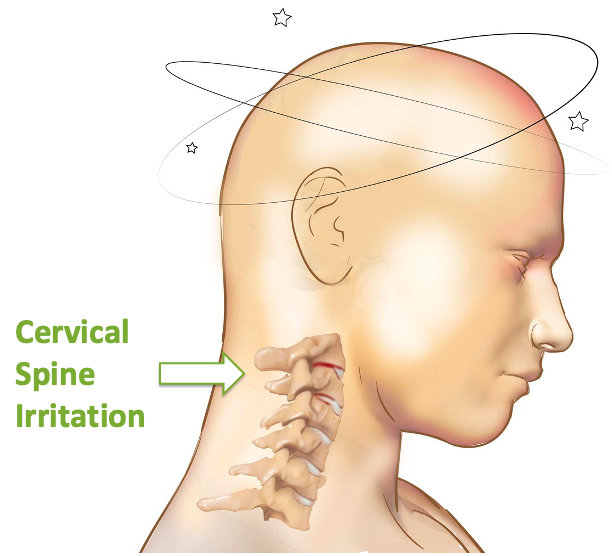
Your cervical spine (the seven vertebrae in your neck) is naturally shaped like a gentle C-curve when viewed from the side. This curve isn’t just there for aesthetics; it plays a critical role in keeping your spine aligned, absorbing shock, and preventing excessive strain on your muscles, ligaments, and nerves.
But here’s the problem—most of us are losing our natural cervical curve.
What Happens When You Lose Your Cervical Curve?
Think about how much time you spend looking down at your phone, hunched over a desk, or slouching in the car. All of these habits slowly but surely flatten your neck’s natural curve—a condition often referred to as cervical kyphosis or “military neck.” Over time, this loss of curvature leads to:
When was the last time you thought about the curve in your neck? If you’re like most people, the answer is probably never. But as a chiropractor, I can tell you—your cervical curve is a big deal.
Your cervical spine (the seven vertebrae in your neck) is naturally shaped like a gentle C-curve when viewed from the side. This curve isn’t just there for aesthetics; it plays a critical role in keeping your spine aligned, absorbing shock, and preventing excessive strain on your muscles, ligaments, and nerves.
But here’s the problem—most of us are losing our natural cervical curve.
What Happens When You Lose Your Cervical Curve?
Think about how much time you spend looking down at your phone, hunched over a desk, or slouching in the car. All of these habits slowly but surely flatten your neck’s natural curve—a condition often referred to as cervical kyphosis or “military neck.” Over time, this loss of curvature leads to:
- Neck and shoulder pain – Your muscles have to work harder to hold your head up.
- Chronic headaches – A straightened neck strains the muscles at the base of your skull.
- Pinched nerves – Misalignment can compress nerves, causing pain, tingling, or numbness.
- Spinal degeneration and arthritis – The increased pressure on your cervical vertebrae wears them down faster.
- Reduced blood flow to the brain – A compromised cervical curve can affect circulation, leading to dizziness, brain fog, and even high blood pressure.
- Chiropractic Adjustments – As an upper cervical chiropractor, I specialize in gentle and precise adjustments that help realign your neck, relieve pressure on your nerves, and support the restoration of your natural curve.
- Postural Awareness – Start paying attention to how you hold your head throughout the day. Keep your screen at eye level, avoid excessive forward head posture, and sit up straight when working or driving.
- Cervical Traction – In some cases, using a cervical traction device can help reshape and restore your neck’s curve by gently stretching the spine into a better position.
- Targeted Exercises – Strengthening and stretching the right muscles can help support proper alignment. Chin tucks, wall angels, and gentle neck stretches are great places to start.