Concussions are a huge topic now, as they should be. The NFL has poured millions of dollars into research on brain injuries, and parents are now forced to evaluate the risk/reward ratio of allowing their kids to play contact sports.
 There are an estimated 2.5 million sports-related concussions a year. A majority of cases reach full recovery in a few weeks, but 15%-20% will have symptoms that last for three weeks or more, and for some it can be a life-altering experience.
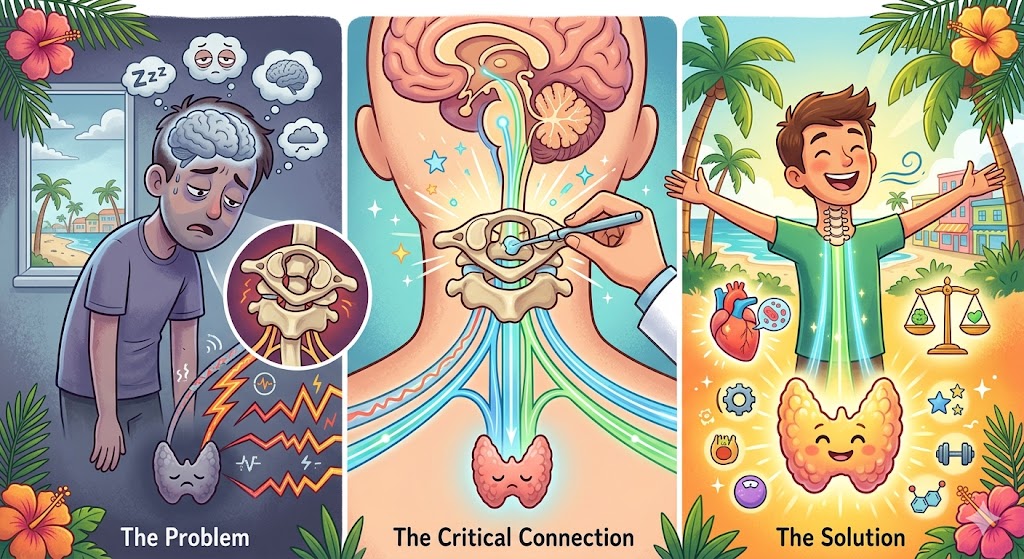
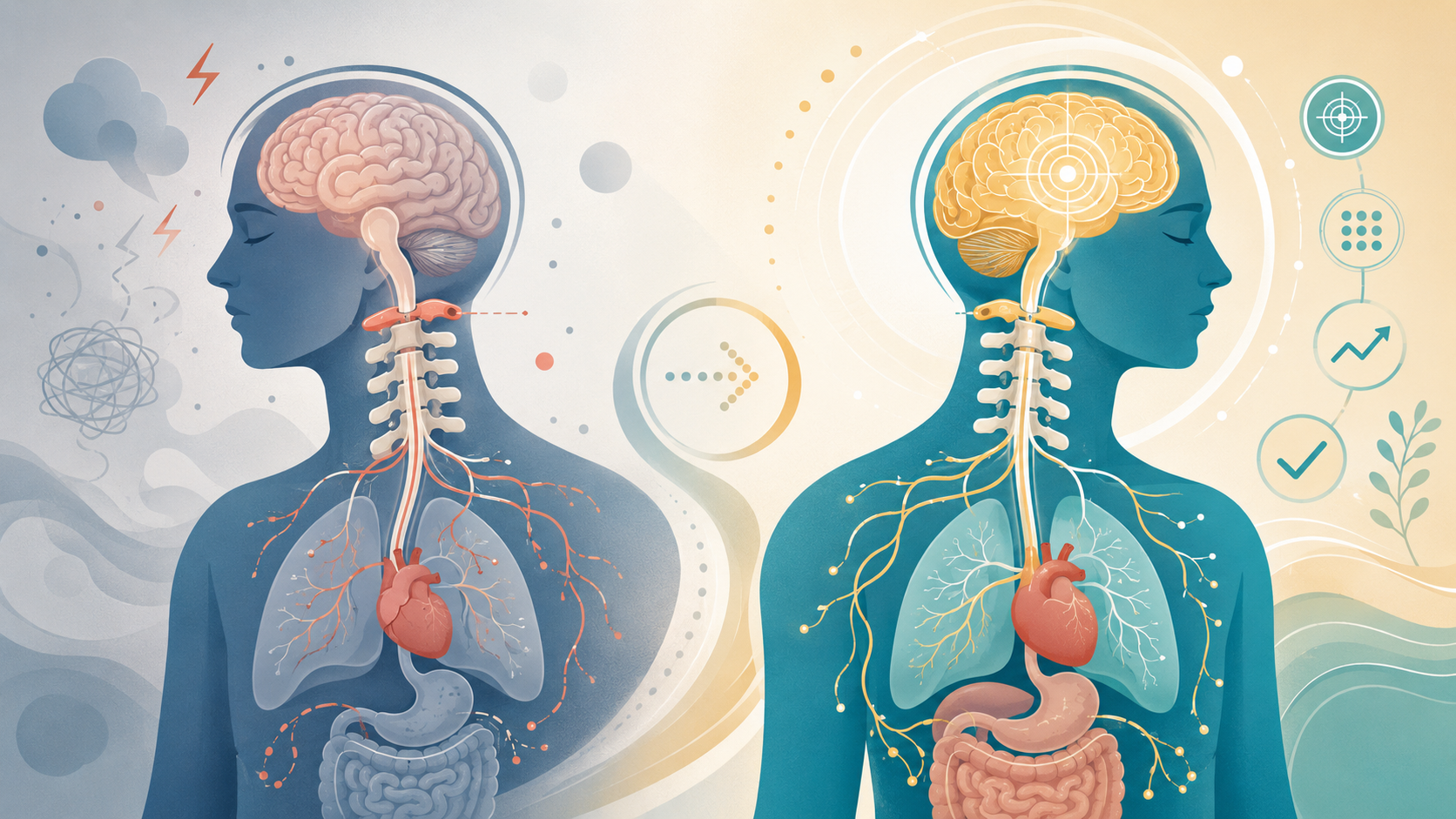
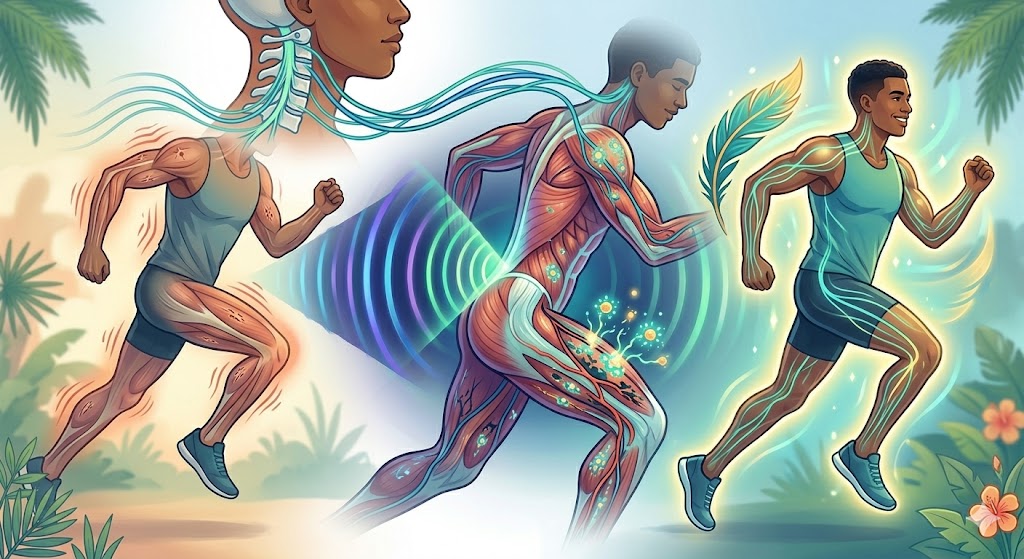
The answer for why those 15%-20% still suffer may lie in a condition known as Cervicogenic Post Concussion Syndrome. In Cervicogenic PCS an upper neck injury happened along with the concussion. The brain itself can “heal” and begin to function normally pretty quickly, but the upper neck injury and ligament damage is often the underlying reason that symptoms persist.
In fact, the symptoms of post concussion syndrome and whiplash are almost identical.
There are an estimated 2.5 million sports-related concussions a year. A majority of cases reach full recovery in a few weeks, but 15%-20% will have symptoms that last for three weeks or more, and for some it can be a life-altering experience.
The answer for why those 15%-20% still suffer may lie in a condition known as Cervicogenic Post Concussion Syndrome. In Cervicogenic PCS an upper neck injury happened along with the concussion. The brain itself can “heal” and begin to function normally pretty quickly, but the upper neck injury and ligament damage is often the underlying reason that symptoms persist.
In fact, the symptoms of post concussion syndrome and whiplash are almost identical.
There are an estimated 2.5 million sports-related concussions a year. A majority of cases reach full recovery in a few weeks, but 15%-20% will have symptoms that last for three weeks or more, and for some it can be a life-altering experience.
The answer for why those 15%-20% still suffer may lie in a condition known as Cervicogenic Post Concussion Syndrome. In Cervicogenic PCS an upper neck injury happened along with the concussion. The brain itself can “heal” and begin to function normally pretty quickly, but the upper neck injury and ligament damage is often the underlying reason that symptoms persist.
In fact, the symptoms of post concussion syndrome and whiplash are almost identical.
- Post Concussion Syndrome Whiplash
- Headaches Headaches
- Dizziness/Balance problems Dizziness
- Brain Fog Brain Fog
- Cognitive dysfunction Cognitive Dysfunction
- Fatigue Neck Pain
- Inflammation and damage to the structures of the neck bombard the brain with nerve signals that trigger a pain response. This barrage of pain signals can be the trigger for headache disorders which are common after head trauma.
- Disruption of the ligaments in the upper neck interferes with the body’s joint position system. When your brain has poor joint-position sense, it can trigger symptoms like vertigo and balance problems.