 Trigeminal Neuralgia is among the top suicide diseases in the world. I put that out to quickly identify the level of pain and debilitation this condition can deliver to those that suffer with it. That means the suicide rate among those diagnosed with it is among the highest of any condition. The pain becomes so severe the person just can’t stand it any longer.
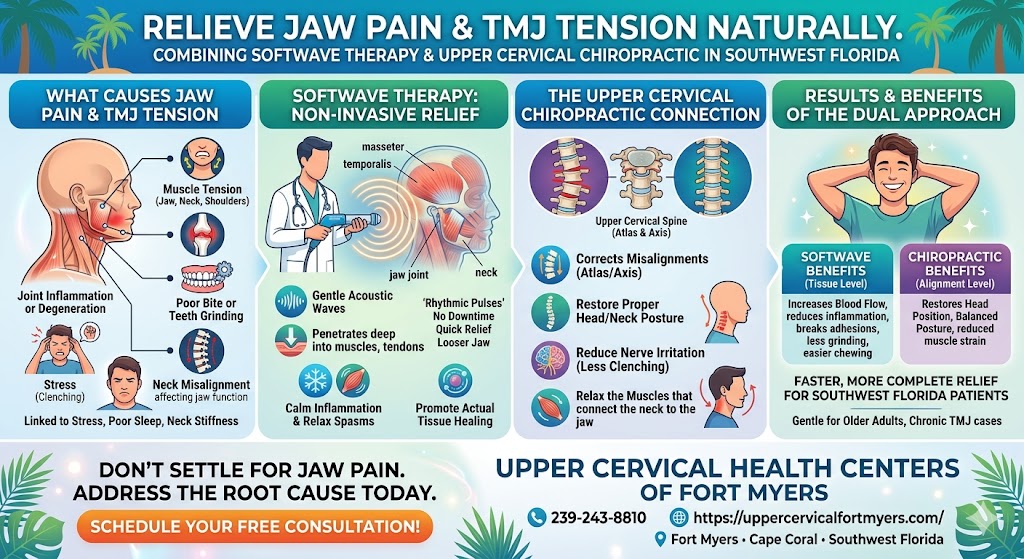
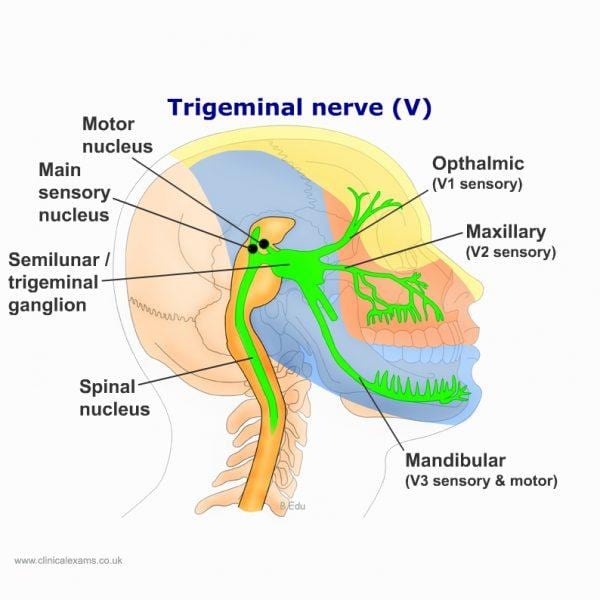
Trigeminal Neuralgia (TN) involves severe pain in the face and head. The trigeminal nerve has 3 branches. One goes to the area of the eye, one to the cheek and upper lip, and the third to the lower jaw and lip area. When the nerve is damaged/malfunctions it can shoot searing pain or numbness into any of these areas and often a combination of them. Imagine the worst tooth pain shooting through your face multiple times a day without warning. Often, the first place suffers go, is to the dentist. It can mimic tooth pain so closely that I have even had patients come in after having a tooth pulled, in hopes it would relieve the pain. Since it is not a dental issue, this doesn’t solve the problem.
The medical options for TN normally involve a progression from strong neurological drugs, to injections, possibly Botox, and if all else fails, surgery where the nerve is burned to try to stop the pain. The success rate is not very high. Often they allow some measure of control over the pain, but not lasting relief.
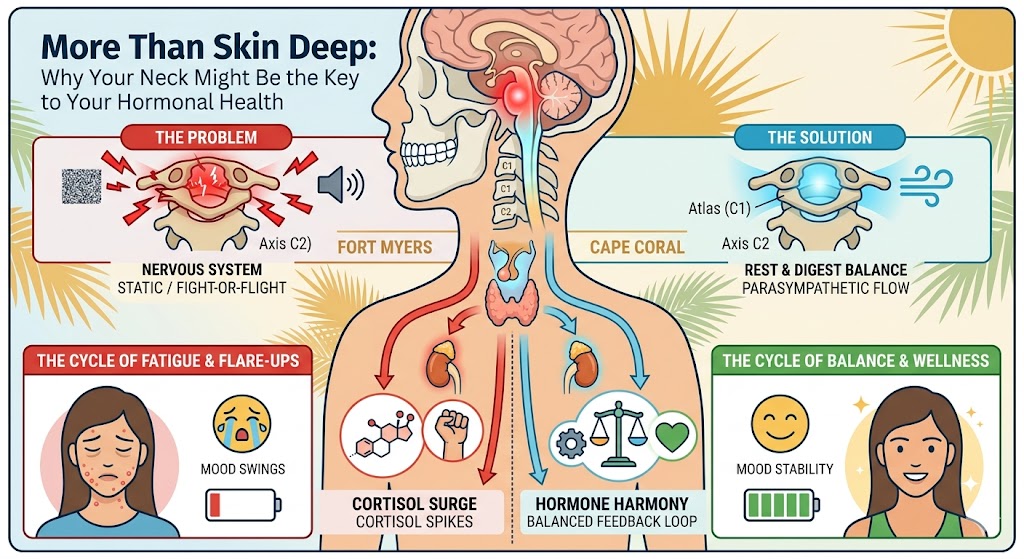
The trigeminal nerve branches off and ends in the face and head, but it actually starts in the upper neck. Many cases of TN develop after a head/neck trauma. Compression on the nerve begins to damage it, and the pain follows. This compression can be caused by several mechanisms. A tumor pressing on the nerve is a potential cause, but this is very rare. A blood vessel can shift a bit and put pressure on it. One of the most common reasons I see is a misalignment of the top bone in the neck. This is why so many cases occur following traumas. Keep in mind, this may not be immediately following the incident. The compression on the nerve has to be there long enough to cause enough damage for the pain or numbness to kick in.
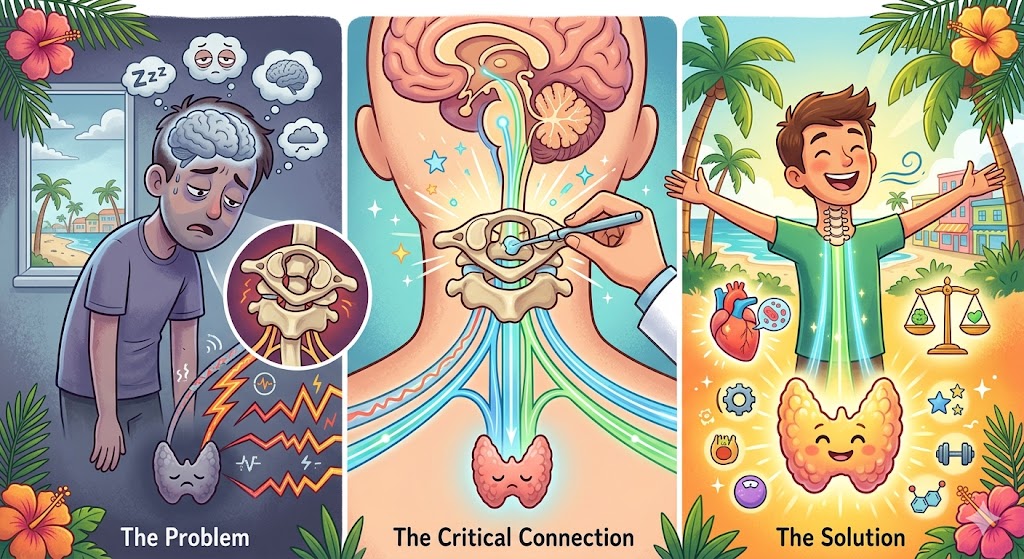
In an auto accident, slip or fall, or any other head and neck injury, it is usually an unresolved whiplash injury that leads to trouble. The top bone misaligns and compresses the tissue inside of it. This is where the trigeminal nerve originates. This pressure remains for as long as the bone is misaligned. Normally, when the bone gets stuck out of position, the body is unable to “unstick’ it. Over time the nerve is damaged, and symptoms begin. If this is the case, medications, injections, and even surgery usually do not fix the problem. You have to address the neck injury to relieve the pressure on the nerve.
I had one TN patient come in unable to properly brush their teeth for 2 years, and after correcting the upper neck, the pain disappeared. My success rate isn’t 100% in these cases, but it is in the high 80% range. I have seen so many patients have their life restored by a simple upper neck correction. If you or someone you know is suffering, it is worth the time to have a neck evaluation to see if this is the answer. It is non-invasive, only takes a few minutes, and could very well be the answer.
Trigeminal Neuralgia is among the top suicide diseases in the world. I put that out to quickly identify the level of pain and debilitation this condition can deliver to those that suffer with it. That means the suicide rate among those diagnosed with it is among the highest of any condition. The pain becomes so severe the person just can’t stand it any longer.
Trigeminal Neuralgia (TN) involves severe pain in the face and head. The trigeminal nerve has 3 branches. One goes to the area of the eye, one to the cheek and upper lip, and the third to the lower jaw and lip area. When the nerve is damaged/malfunctions it can shoot searing pain or numbness into any of these areas and often a combination of them. Imagine the worst tooth pain shooting through your face multiple times a day without warning. Often, the first place suffers go, is to the dentist. It can mimic tooth pain so closely that I have even had patients come in after having a tooth pulled, in hopes it would relieve the pain. Since it is not a dental issue, this doesn’t solve the problem.
The medical options for TN normally involve a progression from strong neurological drugs, to injections, possibly Botox, and if all else fails, surgery where the nerve is burned to try to stop the pain. The success rate is not very high. Often they allow some measure of control over the pain, but not lasting relief.
The trigeminal nerve branches off and ends in the face and head, but it actually starts in the upper neck. Many cases of TN develop after a head/neck trauma. Compression on the nerve begins to damage it, and the pain follows. This compression can be caused by several mechanisms. A tumor pressing on the nerve is a potential cause, but this is very rare. A blood vessel can shift a bit and put pressure on it. One of the most common reasons I see is a misalignment of the top bone in the neck. This is why so many cases occur following traumas. Keep in mind, this may not be immediately following the incident. The compression on the nerve has to be there long enough to cause enough damage for the pain or numbness to kick in.
In an auto accident, slip or fall, or any other head and neck injury, it is usually an unresolved whiplash injury that leads to trouble. The top bone misaligns and compresses the tissue inside of it. This is where the trigeminal nerve originates. This pressure remains for as long as the bone is misaligned. Normally, when the bone gets stuck out of position, the body is unable to “unstick’ it. Over time the nerve is damaged, and symptoms begin. If this is the case, medications, injections, and even surgery usually do not fix the problem. You have to address the neck injury to relieve the pressure on the nerve.
I had one TN patient come in unable to properly brush their teeth for 2 years, and after correcting the upper neck, the pain disappeared. My success rate isn’t 100% in these cases, but it is in the high 80% range. I have seen so many patients have their life restored by a simple upper neck correction. If you or someone you know is suffering, it is worth the time to have a neck evaluation to see if this is the answer. It is non-invasive, only takes a few minutes, and could very well be the answer.
Fort Myers, FL - Need Help with Trigeminal Neuralgia? | See Our Chiropractor
SYNOPSIS: Trigeminal Neuralgia is among the top suicide diseases in the world. I put that out to quickly identify the level of pain and debilitation this condition can deliver to those that suffer with it. That means the suicide rate among those diagnosed with
Relief options for a condition tied to severe pain
BY: Dr. Lee Angle, Upper Cervical Health Centers of Fort Myers
Trigeminal Neuralgia is among the top suicide diseases in the world. I put that out to quickly identify the level of pain and debilitation this condition can deliver to those that suffer with it. That means the suicide rate among those diagnosed with it is among the highest of any condition. The pain becomes so severe the person just can’t stand it any longer.
Trigeminal Neuralgia (TN) involves severe pain in the face and head. The trigeminal nerve has 3 branches. One goes to the area of the eye, one to the cheek and upper lip, and the third to the lower jaw and lip area. When the nerve is damaged/malfunctions it can shoot searing pain or numbness into any of these areas and often a combination of them. Imagine the worst tooth pain shooting through your face multiple times a day without warning. Often, the first place suffers go, is to the dentist. It can mimic tooth pain so closely that I have even had patients come in after having a tooth pulled, in hopes it would relieve the pain. Since it is not a dental issue, this doesn’t solve the problem.
The medical options for TN normally involve a progression from strong neurological drugs, to injections, possibly Botox, and if all else fails, surgery where the nerve is burned to try to stop the pain. The success rate is not very high. Often they allow some measure of control over the pain, but not lasting relief.
The trigeminal nerve branches off and ends in the face and head, but it actually starts in the upper neck. Many cases of TN develop after a head/neck trauma. Compression on the nerve begins to damage it, and the pain follows. This compression can be caused by several mechanisms. A tumor pressing on the nerve is a potential cause, but this is very rare. A blood vessel can shift a bit and put pressure on it. One of the most common reasons I see is a misalignment of the top bone in the neck. This is why so many cases occur following traumas. Keep in mind, this may not be immediately following the incident. The compression on the nerve has to be there long enough to cause enough damage for the pain or numbness to kick in.
In an auto accident, slip or fall, or any other head and neck injury, it is usually an unresolved whiplash injury that leads to trouble. The top bone misaligns and compresses the tissue inside of it. This is where the trigeminal nerve originates. This pressure remains for as long as the bone is misaligned. Normally, when the bone gets stuck out of position, the body is unable to “unstick’ it. Over time the nerve is damaged, and symptoms begin. If this is the case, medications, injections, and even surgery usually do not fix the problem. You have to address the neck injury to relieve the pressure on the nerve.
I had one TN patient come in unable to properly brush their teeth for 2 years, and after correcting the upper neck, the pain disappeared. My success rate isn’t 100% in these cases, but it is in the high 80% range. I have seen so many patients have their life restored by a simple upper neck correction. If you or someone you know is suffering, it is worth the time to have a neck evaluation to see if this is the answer. It is non-invasive, only takes a few minutes, and could very well be the answer.