 We started a four part series on the lobes of the brain and how an upper neck misalignment can influence them. If you missed part one on the Frontal Lobe check it out here.
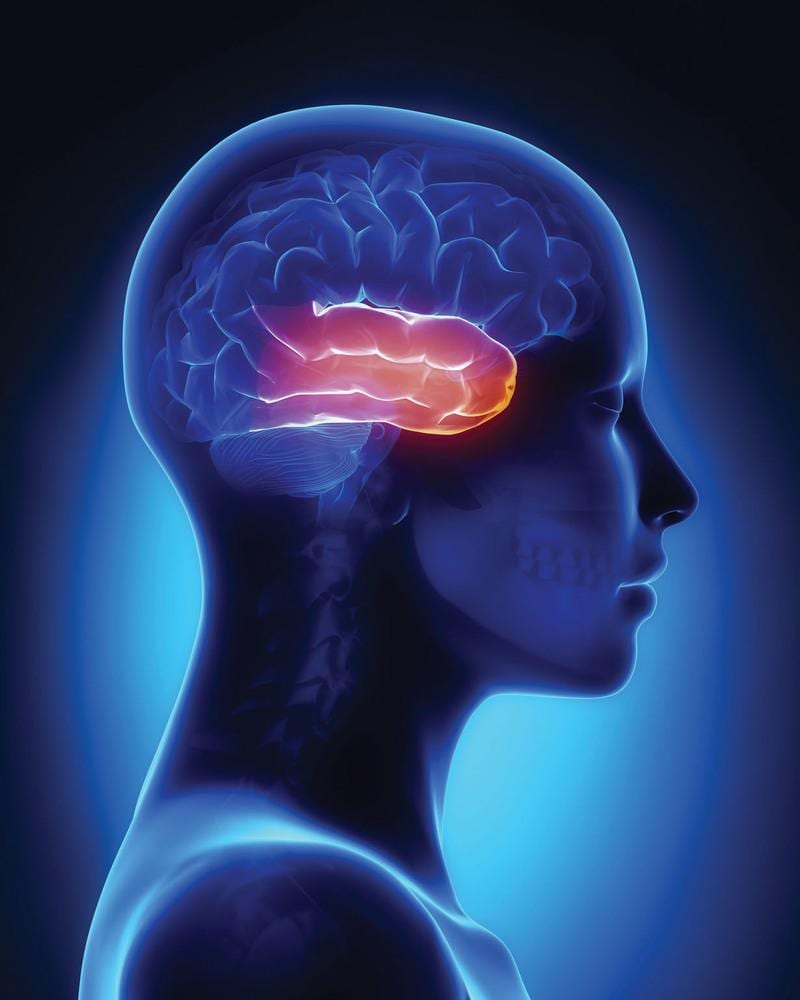
The second lobe we will discuss is the Temporal Lobe. Just like the frontal lobe it is where you might guess, in the area of your temples. We have one on each side of the brain. Different areas of the temporal lobe perform different roles. One of the most important is called the hippocampus.
The hippocampus is involved in memory and learning. Degeneration of the hippocampus has been linked to Alzheimer’s Disease. It is the job of the hippocampus to convert short term memories to long term memories. Long term memories are stored elsewhere. This is why someone with a degenerative condition like Alzheimer’s or Dementia can often tell you what happened decades ago, but can’t remember what happened yesterday.
The hippocampus is also involved in the circadian rhythm. This determines our sleep/wake cycle—when you should wake in the morning with energy, and be sleepy at night. Malfunction of the hippocampus can lead to insomnia or energy crashes during the day.
Another function of the temporal lobes is interpreting sound. The ability to distinguish one person talking in a loud room can be compromised with temporal lobe dysfunction. If the temporal lobe is overfiring it can cause tinnitus (ringing in the ears).
In a number of patients that have suffered a whiplash and/or a brain injury you often find a combination of all of these issues. Tinnitus will begin when they have never dealt with it before, they will feel extremely fatigued but are unable to sleep,multiple people talking at once is very difficult to deal with, and they have trouble with short term memory.
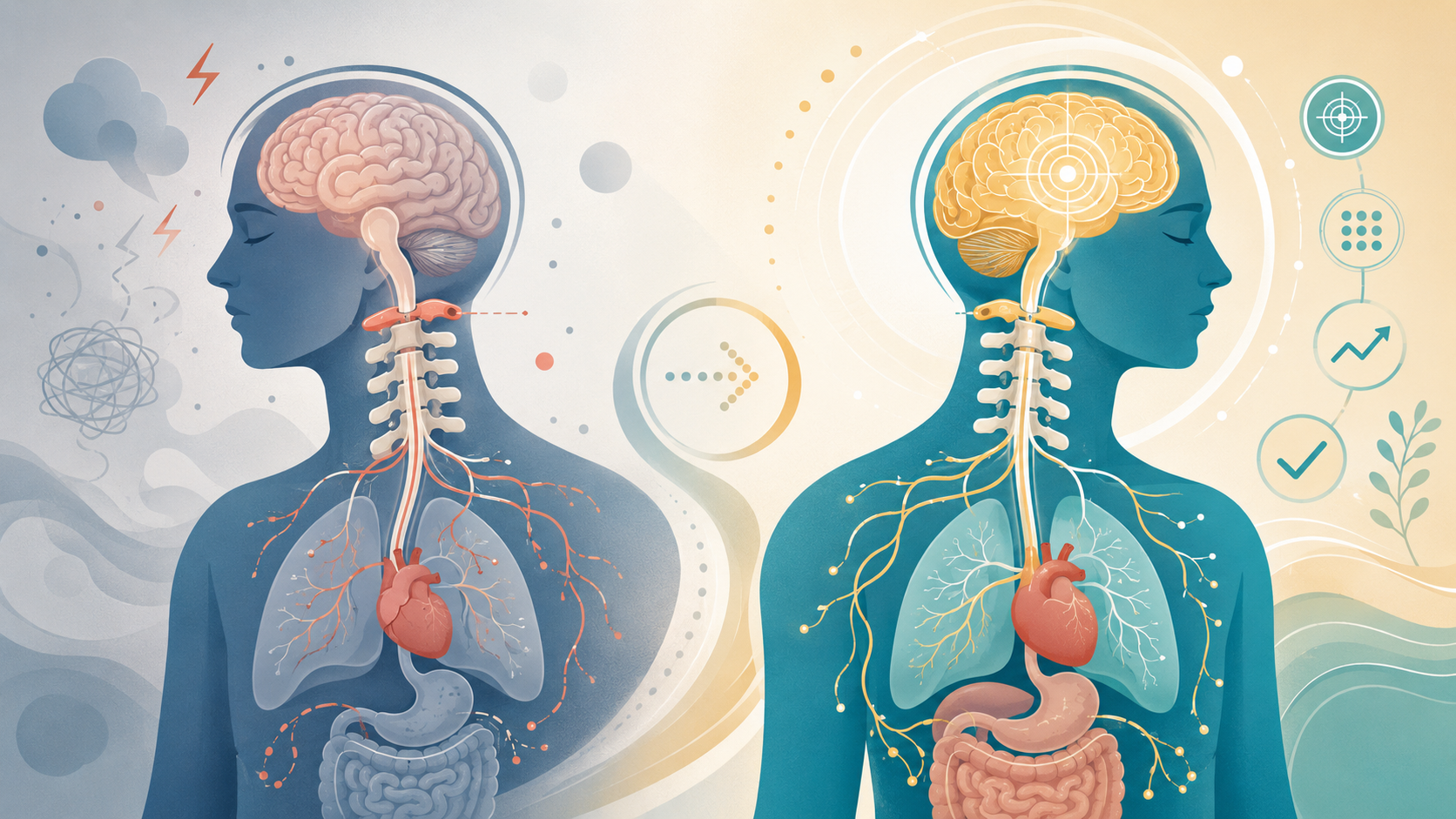
It is certainly possible in a head injury or neurodegenerative disease that the temporal lobe is injured or compromised. An upper cervical misalignment is likely to occur in a whiplash injury or many head injuries. The importance here is that the lower portion of the brainstem extends into the upper neck. The brainstem is involved in gathering sensory information from the ears, eyes and the rest of the body. Our entire body collects information from the outside world and sends it to the brain to be processed. If the brainstem is compromised from a neck injury, the sensory input can be interfered with and distorted information reaches the temporal lobes. If the lobes receive bad information, it is difficult for them to function properly.
Often following an accident patients have lingering symptoms that do not resolve over time. In my experience in my office, the upper neck misalignment was not dealt with and therefore proper brain function was never fully restored even after the brain has healed.
If you are experiencing any of these symptoms it is worthwhile to have your upper neck evaluated to see if it may be a contribution factor to your issues.
We started a four part series on the lobes of the brain and how an upper neck misalignment can influence them. If you missed part one on the Frontal Lobe check it out here.
The second lobe we will discuss is the Temporal Lobe. Just like the frontal lobe it is where you might guess, in the area of your temples. We have one on each side of the brain. Different areas of the temporal lobe perform different roles. One of the most important is called the hippocampus.
The hippocampus is involved in memory and learning. Degeneration of the hippocampus has been linked to Alzheimer’s Disease. It is the job of the hippocampus to convert short term memories to long term memories. Long term memories are stored elsewhere. This is why someone with a degenerative condition like Alzheimer’s or Dementia can often tell you what happened decades ago, but can’t remember what happened yesterday.
The hippocampus is also involved in the circadian rhythm. This determines our sleep/wake cycle—when you should wake in the morning with energy, and be sleepy at night. Malfunction of the hippocampus can lead to insomnia or energy crashes during the day.
Another function of the temporal lobes is interpreting sound. The ability to distinguish one person talking in a loud room can be compromised with temporal lobe dysfunction. If the temporal lobe is overfiring it can cause tinnitus (ringing in the ears).
In a number of patients that have suffered a whiplash and/or a brain injury you often find a combination of all of these issues. Tinnitus will begin when they have never dealt with it before, they will feel extremely fatigued but are unable to sleep,multiple people talking at once is very difficult to deal with, and they have trouble with short term memory.
It is certainly possible in a head injury or neurodegenerative disease that the temporal lobe is injured or compromised. An upper cervical misalignment is likely to occur in a whiplash injury or many head injuries. The importance here is that the lower portion of the brainstem extends into the upper neck. The brainstem is involved in gathering sensory information from the ears, eyes and the rest of the body. Our entire body collects information from the outside world and sends it to the brain to be processed. If the brainstem is compromised from a neck injury, the sensory input can be interfered with and distorted information reaches the temporal lobes. If the lobes receive bad information, it is difficult for them to function properly.
Often following an accident patients have lingering symptoms that do not resolve over time. In my experience in my office, the upper neck misalignment was not dealt with and therefore proper brain function was never fully restored even after the brain has healed.
If you are experiencing any of these symptoms it is worthwhile to have your upper neck evaluated to see if it may be a contribution factor to your issues.
Fort Myers, FL - Helping Brain Lobe Function Through Chiropractic Adjustment
SYNOPSIS: We started a four part series on the lobes of the brain and how an upper neck misalignment can influence them. If you missed part one on the Frontal Lobe check it out here.
The second lobe we will discuss is the Temporal Lobe. Just like the fronta
Fort Myers chiropractors tackle temporal lobe alignment
BY: Dr. Lee Angle, Upper Cervical Health Centers of Fort Myers
We started a four part series on the lobes of the brain and how an upper neck misalignment can influence them. If you missed part one on the Frontal Lobe check it out here.
The second lobe we will discuss is the Temporal Lobe. Just like the frontal lobe it is where you might guess, in the area of your temples. We have one on each side of the brain. Different areas of the temporal lobe perform different roles. One of the most important is called the hippocampus.
The hippocampus is involved in memory and learning. Degeneration of the hippocampus has been linked to Alzheimer’s Disease. It is the job of the hippocampus to convert short term memories to long term memories. Long term memories are stored elsewhere. This is why someone with a degenerative condition like Alzheimer’s or Dementia can often tell you what happened decades ago, but can’t remember what happened yesterday.
The hippocampus is also involved in the circadian rhythm. This determines our sleep/wake cycle—when you should wake in the morning with energy, and be sleepy at night. Malfunction of the hippocampus can lead to insomnia or energy crashes during the day.
Another function of the temporal lobes is interpreting sound. The ability to distinguish one person talking in a loud room can be compromised with temporal lobe dysfunction. If the temporal lobe is overfiring it can cause tinnitus (ringing in the ears).
In a number of patients that have suffered a whiplash and/or a brain injury you often find a combination of all of these issues. Tinnitus will begin when they have never dealt with it before, they will feel extremely fatigued but are unable to sleep,multiple people talking at once is very difficult to deal with, and they have trouble with short term memory.
It is certainly possible in a head injury or neurodegenerative disease that the temporal lobe is injured or compromised. An upper cervical misalignment is likely to occur in a whiplash injury or many head injuries. The importance here is that the lower portion of the brainstem extends into the upper neck. The brainstem is involved in gathering sensory information from the ears, eyes and the rest of the body. Our entire body collects information from the outside world and sends it to the brain to be processed. If the brainstem is compromised from a neck injury, the sensory input can be interfered with and distorted information reaches the temporal lobes. If the lobes receive bad information, it is difficult for them to function properly.
Often following an accident patients have lingering symptoms that do not resolve over time. In my experience in my office, the upper neck misalignment was not dealt with and therefore proper brain function was never fully restored even after the brain has healed.
If you are experiencing any of these symptoms it is worthwhile to have your upper neck evaluated to see if it may be a contribution factor to your issues.