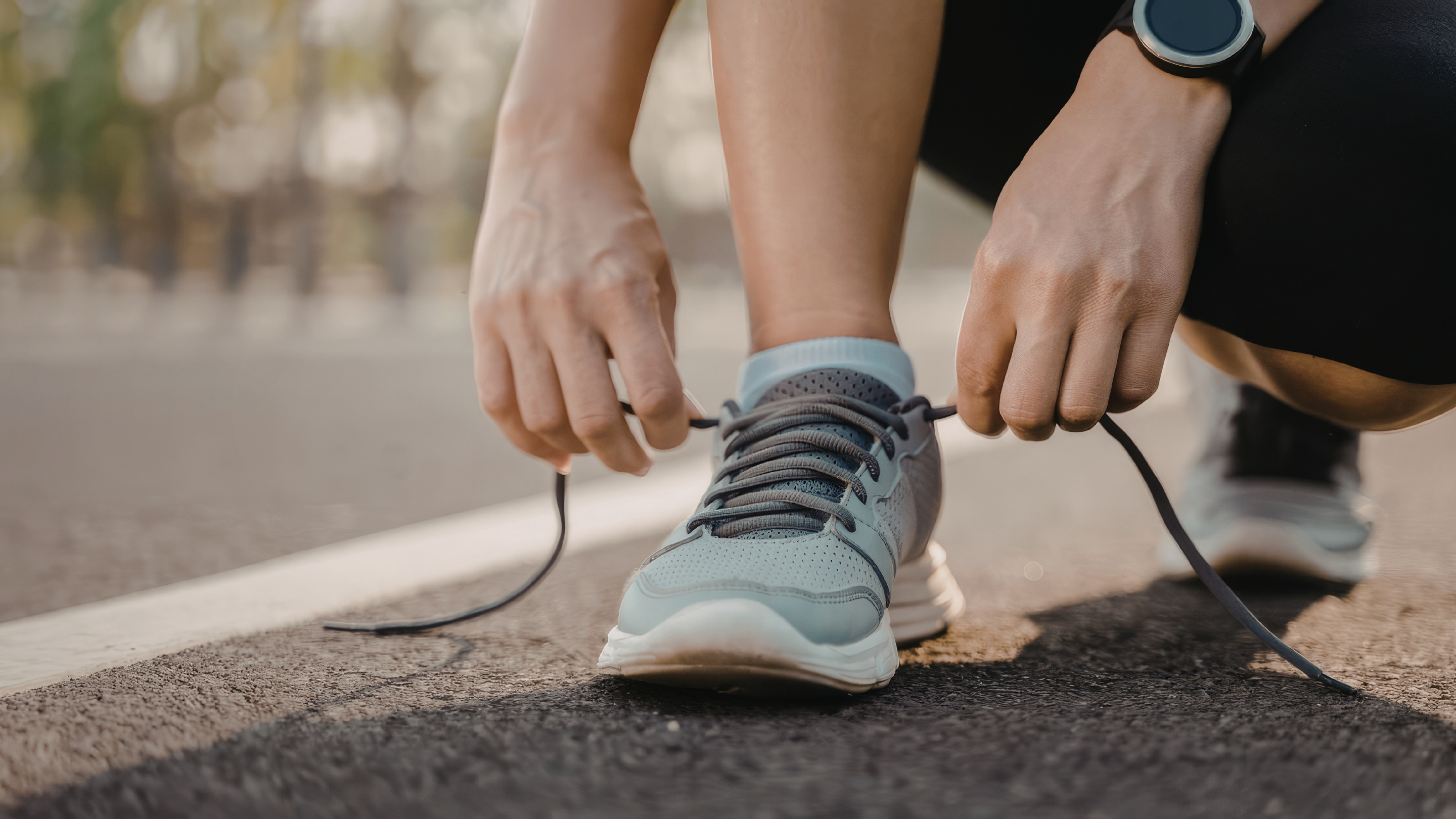
Not long ago, old running shoes were seen as worn-out gear. Today, certain pairs from the 1970s, 1980s, and 1990s sell for hundreds or even thousands of dollars. What changed? Culture caught up with nostalgia. At Judy’s Jewelry in Fort Myers, we see more collectors looking beyond basketball sneakers and turning toward early performance runners.
Why Retro Runners Stand Out
Running shoes from earlier decades look different from modern pairs. Slimmer shape. Nylon uppers. Suede overlays. Simple foam soles. They feel lighter and less built up. That design shift makes them stand out in a market full of bulkier silhouettes.
Collectors often look for early releases from brands that shaped the sport.
- Nike waffle sole models from the 1970s
- Adidas Marathon and SL series
- New Balance 990 early runs
- ASICS Tiger models from the 1980s
These shoes reflect the roots of competitive running before heavy cushioning and air units became standard.
Nostalgia Drives Demand
Many buyers remember seeing these shoes in old race photos or family albums. Some owned a pair in high school. Others connect them to early sneaker culture before resale markets existed. That memory creates steady demand. The shoes feel tied to a specific era of sport and style.
Limited Survival Rates
Unlike modern collectors, most runners did not preserve their shoes. They trained in them. They wore them until they fell apart. That means true vintage pairs in wearable or display condition are rare. Foam midsoles from the 1980s break down over time. Nylon fabric frays. Soles separate. Clean, original pairs grow harder to find each year.
Condition and Wear Matter
Collectors study the condition carefully. They check:
- Midsole firmness and cracking
- Sole separation
- Original laces and insoles
- Heel structure and shape
- Box and tags, if available
Deadstock pairs command the highest prices, but light wear with solid structure still holds value. Heavy restoration lowers collector interest, especially if materials were replaced.
Fashion and Streetwear Influence
Retro runners fit current fashion trends. Slim profiles pair well with casual clothing. Neutral colorways feel versatile. Designers and brands reissue older models, which renews interest in originals. Once a reissue appears, collectors often look for the first version instead.
Auction and Resale Visibility
Public resale platforms have increased visibility. When rare pairs sell at strong prices, attention follows. Collectors who once focused on basketball sneakers begin exploring running history, expanding the market.
Authenticity Remains Critical
Counterfeits exist, especially for high-demand models. Vintage tags, stitching patterns, and midsole materials reveal authenticity. Buyers should inspect shoes in person when possible. Aging patterns should look natural, not forced.
Find Retro Running Shoes With Verified History
If you are considering adding retro running shoes to your collection in Fort Myers, visit Judy’s Jewelry. We review condition, originality, and market interest with you so your purchase feels grounded and informed.