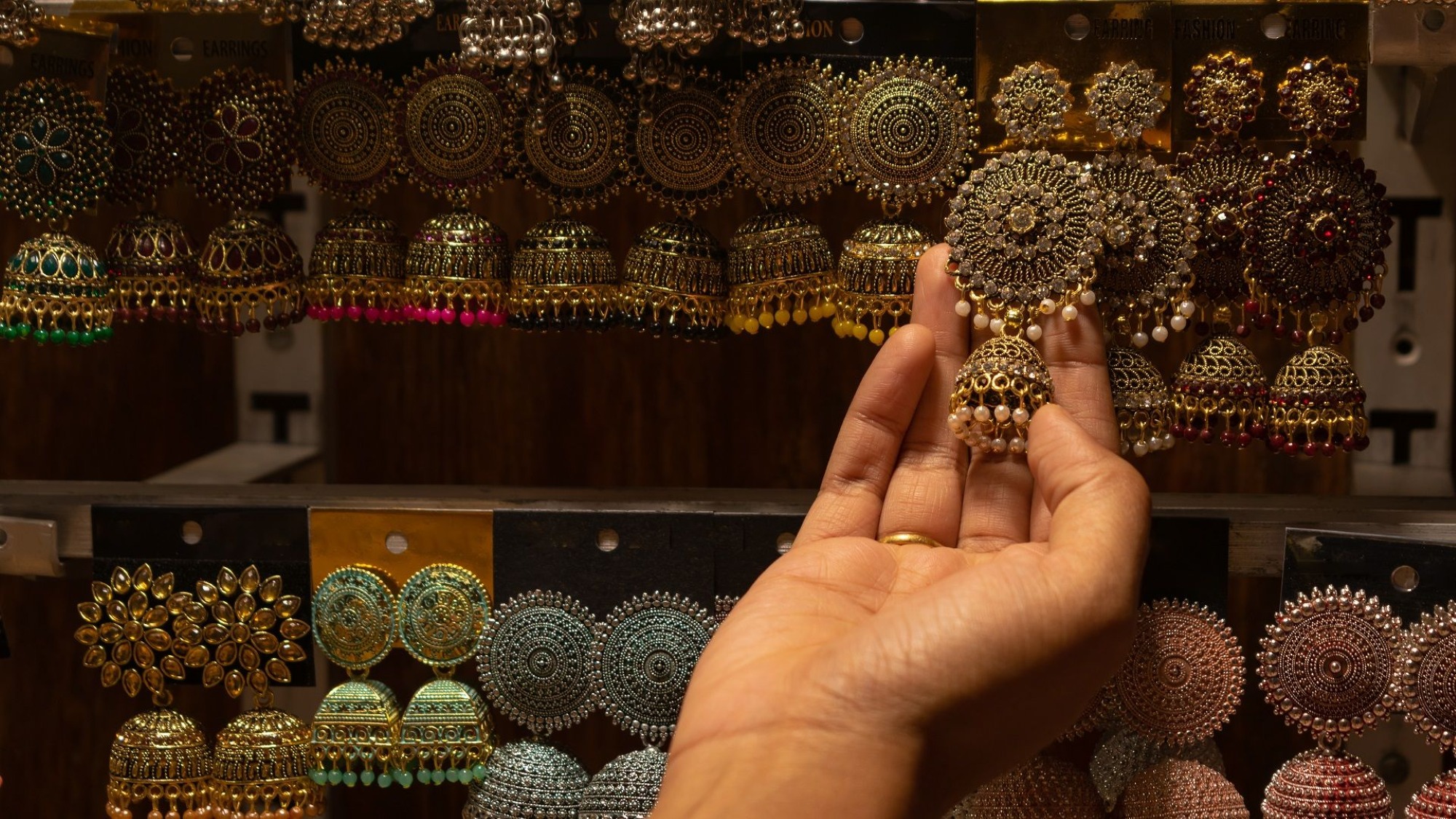
 Most people feel unsure when they try to judge old jewelry on their own. Antique pieces carry charm, but the market also has many copies. At Judy's Jewelry in Fort Myers, we see everything from honest reproductions to full counterfeits. The signs can be subtle. We review the main details so you know what to look for before you buy, sell, or pass a piece down.
Hallmarks and Stamps
Hallmarks are your first clue. True antique makers used distinct marks that match a specific era. Fakes often copy these marks, but the work looks sloppy. Uneven spacing, soft edges, or missing details point to a reproduction. We compare the stamp to known reference marks. If the style of the stamp does not match the age the seller claims, something is off.
Metal Testing
Antique gold should have the correct purity for its era. Many older pieces were created in 10K, 14K, or 18K. Modern fakes sometimes use cheaper alloys. Some look fine from a distance but fail a purity test. We test each piece with tools that check density and metal content. A slight mismatch can reveal a copy.
Solder Marks and Repairs
Old jewelry was often repaired over time. That is normal. But poor solder work can expose modern repairs done to hide flaws or attach fake components. We check the joins closely. If the solder color does not match the rest of the metal or the work looks too modern, there is a problem. Reproductions often show bright, quick repairs that do not match the age of the piece.
Stone Clues
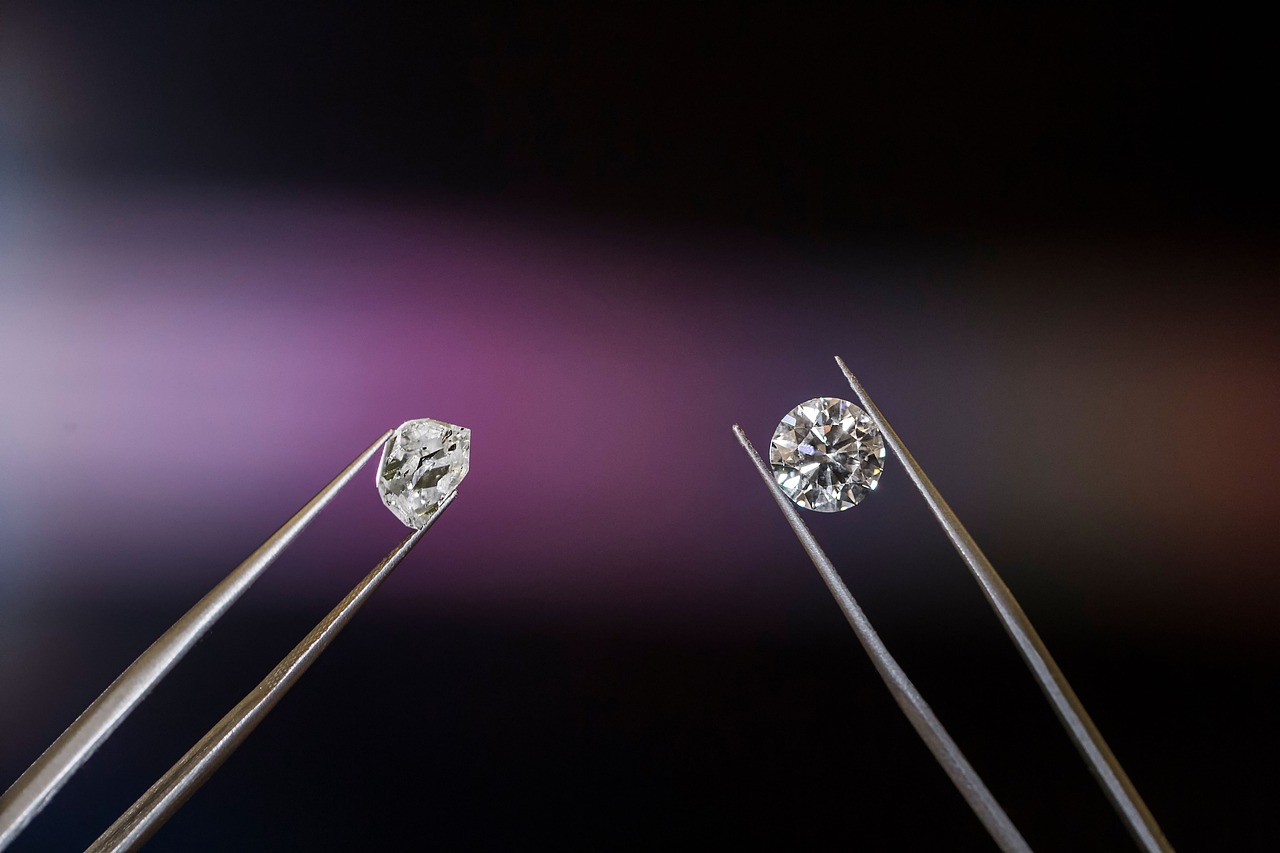
Stones can reveal the truth fast. Many fake antique rings use modern lab stones or glass. Under magnification, we look for sharp facet lines, consistent bubbles, or uniform color that appears too perfect. Natural stones show small inclusions and irregular patterns. Old cuts also look different from modern cuts. If a piece claims to be from 1900 but the diamond cut looks modern, the story does not line up.
Wear Patterns
Real antique jewelry shows honest age. Soft edges, light scratches, and steady wear on the underside are common. Fake pieces often try to mimic wear, but it looks forced. Reproductions may show sharp details in areas that should be worn down. They may also show sudden wear in spots that do not match how a piece is normally handled.
Construction Style
Antique pieces were built by hand. This creates small variations. Modern copies often rely on machine precision. Perfect symmetry can be a clue that the piece is new. We also check the type of clasps, hinges, and settings. Each era used distinct methods. If the hardware is wrong for the supposed date, it signals a reproduction.
Come in for a Clear Review
If you want to know whether your antique jewelry is real or reproduced, visit Judy's Jewelry in Fort Myers. Bring your piece and we will walk you through every detail with clear, direct explanations. No pressure. Bring it in when it works for you.
Most people feel unsure when they try to judge old jewelry on their own. Antique pieces carry charm, but the market also has many copies. At Judy's Jewelry in Fort Myers, we see everything from honest reproductions to full counterfeits. The signs can be subtle. We review the main details so you know what to look for before you buy, sell, or pass a piece down.
Hallmarks and Stamps
Hallmarks are your first clue. True antique makers used distinct marks that match a specific era. Fakes often copy these marks, but the work looks sloppy. Uneven spacing, soft edges, or missing details point to a reproduction. We compare the stamp to known reference marks. If the style of the stamp does not match the age the seller claims, something is off.
Metal Testing
Antique gold should have the correct purity for its era. Many older pieces were created in 10K, 14K, or 18K. Modern fakes sometimes use cheaper alloys. Some look fine from a distance but fail a purity test. We test each piece with tools that check density and metal content. A slight mismatch can reveal a copy.
Solder Marks and Repairs
Old jewelry was often repaired over time. That is normal. But poor solder work can expose modern repairs done to hide flaws or attach fake components. We check the joins closely. If the solder color does not match the rest of the metal or the work looks too modern, there is a problem. Reproductions often show bright, quick repairs that do not match the age of the piece.
Stone Clues
Stones can reveal the truth fast. Many fake antique rings use modern lab stones or glass. Under magnification, we look for sharp facet lines, consistent bubbles, or uniform color that appears too perfect. Natural stones show small inclusions and irregular patterns. Old cuts also look different from modern cuts. If a piece claims to be from 1900 but the diamond cut looks modern, the story does not line up.
Wear Patterns
Real antique jewelry shows honest age. Soft edges, light scratches, and steady wear on the underside are common. Fake pieces often try to mimic wear, but it looks forced. Reproductions may show sharp details in areas that should be worn down. They may also show sudden wear in spots that do not match how a piece is normally handled.
Construction Style
Antique pieces were built by hand. This creates small variations. Modern copies often rely on machine precision. Perfect symmetry can be a clue that the piece is new. We also check the type of clasps, hinges, and settings. Each era used distinct methods. If the hardware is wrong for the supposed date, it signals a reproduction.
Come in for a Clear Review
If you want to know whether your antique jewelry is real or reproduced, visit Judy's Jewelry in Fort Myers. Bring your piece and we will walk you through every detail with clear, direct explanations. No pressure. Bring it in when it works for you.
Fort Myers, FL - How to Spot Fakes and Reproductions in Antique Jewelry
SYNOPSIS: This article covers how to identify fake or reproduced antique jewelry, what details matter most, and how Judy's Jewelry in Fort Myers checks each piece so you get quality antiques.
What to Look for in a Repro or Faux Jewelry
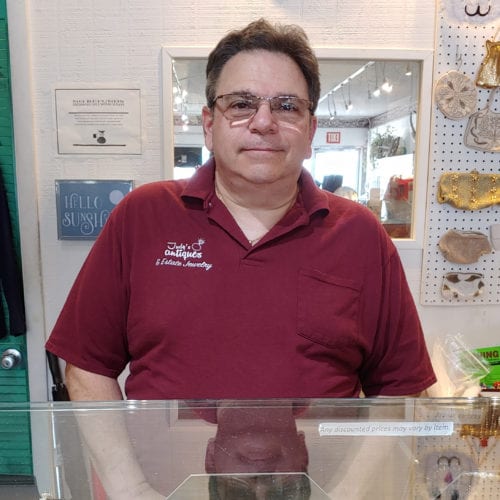
BY: Sal Lanzieri, Judy's Jewelry
Most people feel unsure when they try to judge old jewelry on their own. Antique pieces carry charm, but the market also has many copies. At Judy's Jewelry in Fort Myers, we see everything from honest reproductions to full counterfeits. The signs can be subtle. We review the main details so you know what to look for before you buy, sell, or pass a piece down.
Hallmarks and Stamps
Hallmarks are your first clue. True antique makers used distinct marks that match a specific era. Fakes often copy these marks, but the work looks sloppy. Uneven spacing, soft edges, or missing details point to a reproduction. We compare the stamp to known reference marks. If the style of the stamp does not match the age the seller claims, something is off.
Metal Testing
Antique gold should have the correct purity for its era. Many older pieces were created in 10K, 14K, or 18K. Modern fakes sometimes use cheaper alloys. Some look fine from a distance but fail a purity test. We test each piece with tools that check density and metal content. A slight mismatch can reveal a copy.
Solder Marks and Repairs
Old jewelry was often repaired over time. That is normal. But poor solder work can expose modern repairs done to hide flaws or attach fake components. We check the joins closely. If the solder color does not match the rest of the metal or the work looks too modern, there is a problem. Reproductions often show bright, quick repairs that do not match the age of the piece.
Stone Clues
Stones can reveal the truth fast. Many fake antique rings use modern lab stones or glass. Under magnification, we look for sharp facet lines, consistent bubbles, or uniform color that appears too perfect. Natural stones show small inclusions and irregular patterns. Old cuts also look different from modern cuts. If a piece claims to be from 1900 but the diamond cut looks modern, the story does not line up.
Wear Patterns
Real antique jewelry shows honest age. Soft edges, light scratches, and steady wear on the underside are common. Fake pieces often try to mimic wear, but it looks forced. Reproductions may show sharp details in areas that should be worn down. They may also show sudden wear in spots that do not match how a piece is normally handled.
Construction Style
Antique pieces were built by hand. This creates small variations. Modern copies often rely on machine precision. Perfect symmetry can be a clue that the piece is new. We also check the type of clasps, hinges, and settings. Each era used distinct methods. If the hardware is wrong for the supposed date, it signals a reproduction.
Come in for a Clear Review
If you want to know whether your antique jewelry is real or reproduced, visit Judy's Jewelry in Fort Myers. Bring your piece and we will walk you through every detail with clear, direct explanations. No pressure. Bring it in when it works for you.