 Every antique has a story, but we remind Fort Myers collectors that storytelling alone does not prove authenticity. True history is written in the metal, the stones, and the technique, leaving behind the fingerprints of the craftspeople who made it. At Judy’s Jewelry, we help clients look past the emotional tales and read what the object itself confirms. Tool marks, solder seams, and alloys tell the truth in a way that marketing never can. When you learn to read those signs, you stop buying guesses and start buying evidence. That mindset turns a casual buyer into a confident collector who knows exactly what makes a piece genuine.
Georgian Craftsmanship, Jewelry Built for Firelight
Between 1714 and 1830, Georgian jewelers worked in rooms lit by candles, and that single detail shaped the entire way they built jewelry. They set gemstones in closed-back silver collets lined with foil to amplify flickering light, often attaching those collets to gold bands. Each setting was hand-formed, leaving subtle irregularities that reveal real craftsmanship. When we inspect a piece in Fort Myers, we look for those tiny imperfections, because perfect symmetry is often the mark of a reproduction made by machine. What modern precision hides, the handmade tells openly.
Victorian Jewelry, Emotion Cast in Unusual Materials
From 1837 to 1901, jewelry became emotional, personal, and deeply symbolic. The Victorians wore their memories, and their grief, through materials like jet and gutta-percha, a natural latex that warms to the touch within seconds. Plastics used in modern replicas never react that way, no matter how long you hold them. We ask Fort Myers clients to feel the difference for themselves, because authenticity often starts with the senses. Real gutta-percha feels alive, while imitation stays cold and still. The lesson is simple: when emotion meets technique, the result endures for generations.
Art Nouveau, When Jewelry Became Sculpture
From 1890 to 1910, design rebelled against geometry and embraced nature. Art Nouveau jewelers treated gold and enamel like paint, creating pieces that seemed to flow rather than sit still. Their most challenging method, plique-à-jour enamel, suspended color inside thin metal frames without any backing, allowing light to pour through like stained glass. Real plique-à-jour glows with a clean, translucent brilliance, while fake versions made from resin look cloudy or trap tiny air bubbles under magnification. At Judy’s Jewelry, we show Fort Myers collectors how to identify that difference, because true craftsmanship always invites the light in, it never hides behind imitation.
Art Deco, Precision Made Possible by Platinum
Between 1920 and 1935, technology caught up with ambition, and platinum changed jewelry forever. Jewelers could now create strong, thin frameworks that made diamonds appear to float. The best Art Deco pieces feature sharp milgrain edging, a row of microscopic beads applied by hand. When we evaluate a piece, we run a fingertip across those edges, because genuine milgrain feels crisp while cast reproductions feel soft and rounded. In jewelry, as in architecture, strength and precision reveal the spirit of an era that believed design and engineering could exist in perfect balance.
Build Certainty Before You Buy
Stories make a piece memorable, but construction is what makes it real. Every hinge, clasp, and hallmark records the conditions of its creation, and those clues are waiting to be read. Before you buy or sell in Fort Myers, bring your piece to us. We examine each detail under magnification, explain what it means, and confirm what history it truly carries. When evidence replaces assumption, your purchase stops being a risk and becomes an education. Call Judy’s Jewelry at (239) 481-9600 to discover how the truth of craftsmanship secures your next investment.
Every antique has a story, but we remind Fort Myers collectors that storytelling alone does not prove authenticity. True history is written in the metal, the stones, and the technique, leaving behind the fingerprints of the craftspeople who made it. At Judy’s Jewelry, we help clients look past the emotional tales and read what the object itself confirms. Tool marks, solder seams, and alloys tell the truth in a way that marketing never can. When you learn to read those signs, you stop buying guesses and start buying evidence. That mindset turns a casual buyer into a confident collector who knows exactly what makes a piece genuine.
Georgian Craftsmanship, Jewelry Built for Firelight
Between 1714 and 1830, Georgian jewelers worked in rooms lit by candles, and that single detail shaped the entire way they built jewelry. They set gemstones in closed-back silver collets lined with foil to amplify flickering light, often attaching those collets to gold bands. Each setting was hand-formed, leaving subtle irregularities that reveal real craftsmanship. When we inspect a piece in Fort Myers, we look for those tiny imperfections, because perfect symmetry is often the mark of a reproduction made by machine. What modern precision hides, the handmade tells openly.
Victorian Jewelry, Emotion Cast in Unusual Materials
From 1837 to 1901, jewelry became emotional, personal, and deeply symbolic. The Victorians wore their memories, and their grief, through materials like jet and gutta-percha, a natural latex that warms to the touch within seconds. Plastics used in modern replicas never react that way, no matter how long you hold them. We ask Fort Myers clients to feel the difference for themselves, because authenticity often starts with the senses. Real gutta-percha feels alive, while imitation stays cold and still. The lesson is simple: when emotion meets technique, the result endures for generations.
Art Nouveau, When Jewelry Became Sculpture
From 1890 to 1910, design rebelled against geometry and embraced nature. Art Nouveau jewelers treated gold and enamel like paint, creating pieces that seemed to flow rather than sit still. Their most challenging method, plique-à-jour enamel, suspended color inside thin metal frames without any backing, allowing light to pour through like stained glass. Real plique-à-jour glows with a clean, translucent brilliance, while fake versions made from resin look cloudy or trap tiny air bubbles under magnification. At Judy’s Jewelry, we show Fort Myers collectors how to identify that difference, because true craftsmanship always invites the light in, it never hides behind imitation.
Art Deco, Precision Made Possible by Platinum
Between 1920 and 1935, technology caught up with ambition, and platinum changed jewelry forever. Jewelers could now create strong, thin frameworks that made diamonds appear to float. The best Art Deco pieces feature sharp milgrain edging, a row of microscopic beads applied by hand. When we evaluate a piece, we run a fingertip across those edges, because genuine milgrain feels crisp while cast reproductions feel soft and rounded. In jewelry, as in architecture, strength and precision reveal the spirit of an era that believed design and engineering could exist in perfect balance.
Build Certainty Before You Buy
Stories make a piece memorable, but construction is what makes it real. Every hinge, clasp, and hallmark records the conditions of its creation, and those clues are waiting to be read. Before you buy or sell in Fort Myers, bring your piece to us. We examine each detail under magnification, explain what it means, and confirm what history it truly carries. When evidence replaces assumption, your purchase stops being a risk and becomes an education. Call Judy’s Jewelry at (239) 481-9600 to discover how the truth of craftsmanship secures your next investment.
Fort Myers, FL - Antique Shop Provides Timeline of Jewelry Design Through Ages
SYNOPSIS: At Judy’s Jewelry in Fort Myers, we teach collectors to trust the metal, not the myth. From Georgian candlelit settings to Art Deco platinum precision, every era leaves physical proof.
Every Era Leaves a Fingerprint. We’ll Show You How
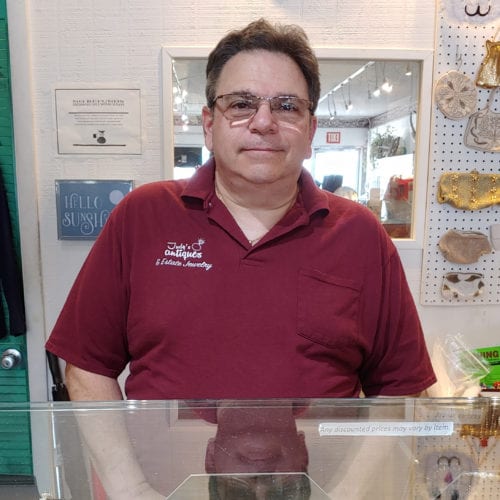
BY: Sal Lanzieri, Judy's Jewelry
Every antique has a story, but we remind Fort Myers collectors that storytelling alone does not prove authenticity. True history is written in the metal, the stones, and the technique, leaving behind the fingerprints of the craftspeople who made it. At Judy’s Jewelry, we help clients look past the emotional tales and read what the object itself confirms. Tool marks, solder seams, and alloys tell the truth in a way that marketing never can. When you learn to read those signs, you stop buying guesses and start buying evidence. That mindset turns a casual buyer into a confident collector who knows exactly what makes a piece genuine.
Georgian Craftsmanship, Jewelry Built for Firelight
Between 1714 and 1830, Georgian jewelers worked in rooms lit by candles, and that single detail shaped the entire way they built jewelry. They set gemstones in closed-back silver collets lined with foil to amplify flickering light, often attaching those collets to gold bands. Each setting was hand-formed, leaving subtle irregularities that reveal real craftsmanship. When we inspect a piece in Fort Myers, we look for those tiny imperfections, because perfect symmetry is often the mark of a reproduction made by machine. What modern precision hides, the handmade tells openly.
Victorian Jewelry, Emotion Cast in Unusual Materials
From 1837 to 1901, jewelry became emotional, personal, and deeply symbolic. The Victorians wore their memories, and their grief, through materials like jet and gutta-percha, a natural latex that warms to the touch within seconds. Plastics used in modern replicas never react that way, no matter how long you hold them. We ask Fort Myers clients to feel the difference for themselves, because authenticity often starts with the senses. Real gutta-percha feels alive, while imitation stays cold and still. The lesson is simple: when emotion meets technique, the result endures for generations.
Art Nouveau, When Jewelry Became Sculpture
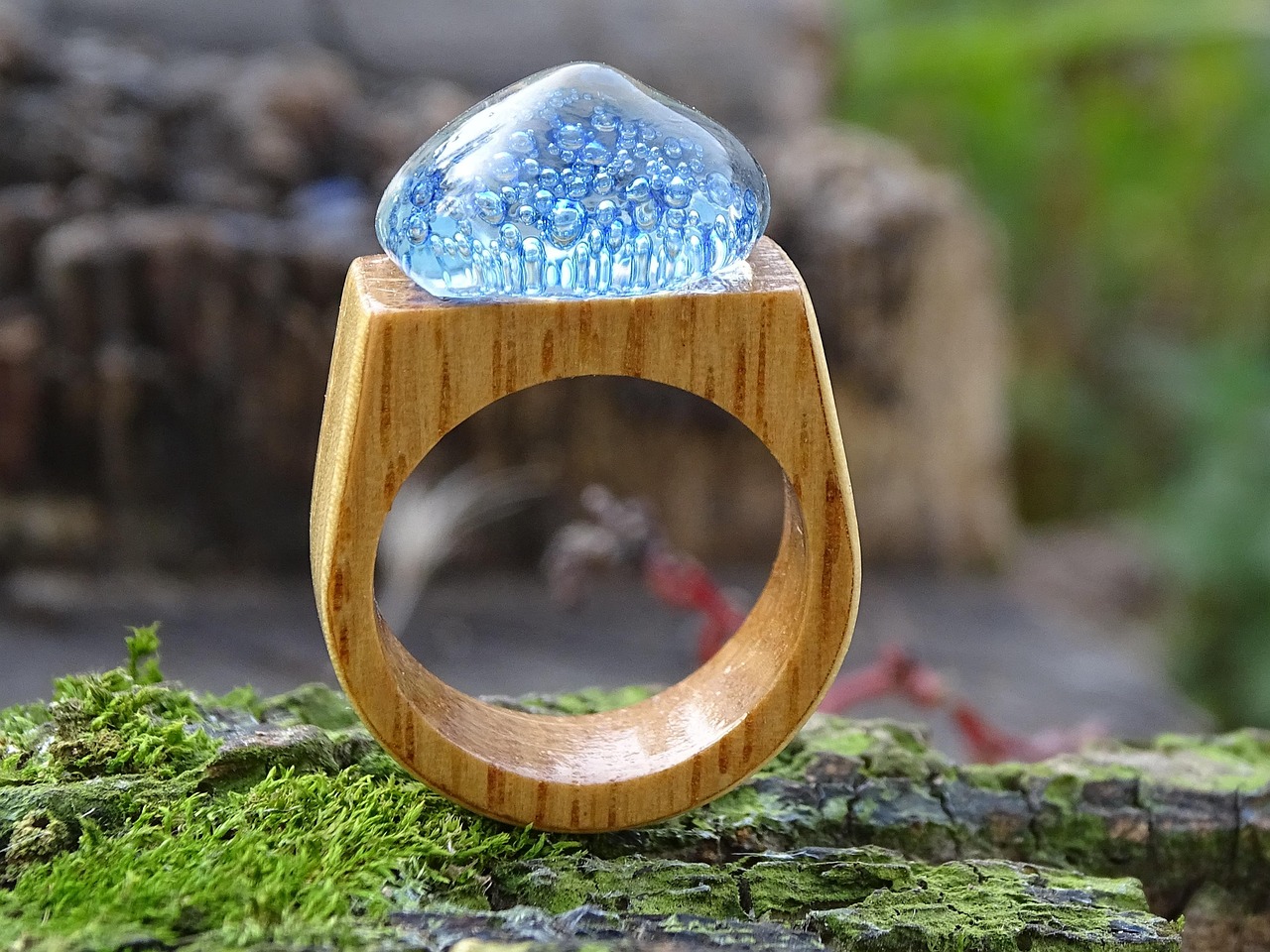
From 1890 to 1910, design rebelled against geometry and embraced nature. Art Nouveau jewelers treated gold and enamel like paint, creating pieces that seemed to flow rather than sit still. Their most challenging method, plique-à-jour enamel, suspended color inside thin metal frames without any backing, allowing light to pour through like stained glass. Real plique-à-jour glows with a clean, translucent brilliance, while fake versions made from resin look cloudy or trap tiny air bubbles under magnification. At Judy’s Jewelry, we show Fort Myers collectors how to identify that difference, because true craftsmanship always invites the light in, it never hides behind imitation.
Art Deco, Precision Made Possible by Platinum
Between 1920 and 1935, technology caught up with ambition, and platinum changed jewelry forever. Jewelers could now create strong, thin frameworks that made diamonds appear to float. The best Art Deco pieces feature sharp milgrain edging, a row of microscopic beads applied by hand. When we evaluate a piece, we run a fingertip across those edges, because genuine milgrain feels crisp while cast reproductions feel soft and rounded. In jewelry, as in architecture, strength and precision reveal the spirit of an era that believed design and engineering could exist in perfect balance.
Build Certainty Before You Buy
Stories make a piece memorable, but construction is what makes it real. Every hinge, clasp, and hallmark records the conditions of its creation, and those clues are waiting to be read. Before you buy or sell in Fort Myers, bring your piece to us. We examine each detail under magnification, explain what it means, and confirm what history it truly carries. When evidence replaces assumption, your purchase stops being a risk and becomes an education. Call Judy’s Jewelry at (239) 481-9600 to discover how the truth of craftsmanship secures your next investment.