 A Look at Timeless Beauty and Market Value
At Judy’s Jewelry, we love helping customers in Fort Myers uncover the stories behind antique jewelry—and for many, part of that journey includes learning what their pieces might be worth. Antique jewelry isn’t just beautiful—it’s rich in history, craftsmanship, and sometimes surprising value.
Whether you’re a collector, a seller, or someone sorting through a family estate, understanding the most popular antique styles and their market appeal can help you appreciate what you have or know what to look for next.
Victorian (1837–1901): Romantic and Detailed
Victorian jewelry is often ornate, symbolic, and deeply sentimental. Popular motifs include hearts, flowers, snakes, and lockets. Common materials range from yellow gold and seed pearls to enamel and jet. Mourning jewelry—worn to remember lost loved ones—was especially popular in this era and is still collected today for its emotional depth and dramatic style.
Depending on condition and materials, authentic Victorian pieces can range from a few hundred dollars to several thousand. Items with hallmarks, intricate enamel work, or natural pearls tend to fetch the highest prices.
Edwardian (1901–1915): Elegant and Airy
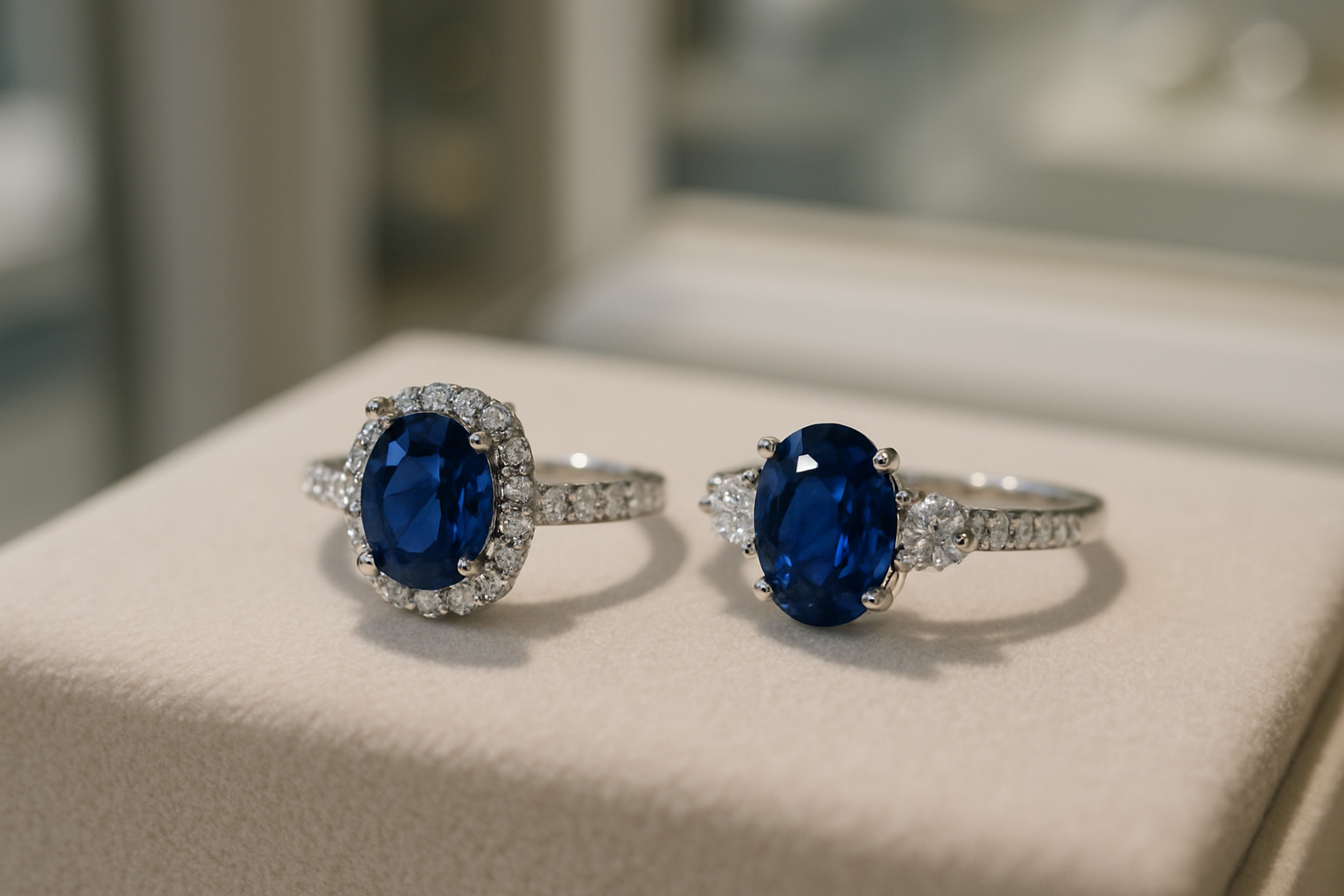
The Edwardian period brought in a lighter, more delicate aesthetic. White metals like platinum and white gold became popular, often used in fine filigree and lace-like settings. Diamonds, sapphires, and pearls were commonly featured in intricate designs with milgrain detailing.
Because of their craftsmanship and high-end materials, Edwardian pieces are highly collectible. Well-preserved items, especially rings or brooches with natural gemstones, can command significant value on the market.
Art Nouveau (1890–1915): Artistic and Nature-Inspired
Art Nouveau jewelry stands out for its flowing lines and emphasis on nature. You’ll often see motifs like flowers, butterflies, and female figures, rendered in gold, enamel, and semi-precious stones like opal or moonstone. This style prioritizes artistry over traditional structure, making each piece feel like a wearable sculpture.
Collectors pay a premium for authentic Art Nouveau designs, especially those signed by notable makers. These pieces often fall into the higher end of the value spectrum, especially those with excellent enamel or rare materials.
Art Deco (1920s–1930s): Bold and Geometric
Art Deco jewelry remains one of the most beloved and recognizable antique styles. Clean lines, symmetrical shapes, and striking contrasts define this era. Think of step-cut diamonds, onyx inlays, and bold color combinations using emerald, sapphire, and ruby.
Art Deco pieces are consistently in high demand. Their unique blend of vintage appeal and modern aesthetic makes them wearable and collectible. Depending on the stone quality and designer, values range from a few hundred to tens of thousands of dollars.
Retro (1940s–1950s): Glamorous and Gold-Heavy
Retro jewelry came into fashion during and after WWII, when platinum was scarce and yellow and rose gold dominated the market. These pieces often feature large, dramatic designs with synthetic or semi-precious stones, and bold, feminine flair.
Retro items tend to be more affordable than older antiques, but certain signed pieces—especially those from well-known designers—can still command strong prices among vintage jewelry fans.
Curious About Your Jewelry’s Value? Let Us Help
At Judy’s Jewelry, we specialize in evaluating, buying, and selling antique jewelry from all eras. Our team will help you identify the style, era, and materials of your piece and give you a fair, transparent estimate of its current market value.
If you’re in the Fort Myers area and want to learn more about your antique jewelry—or start a collection of your own—stop by Judy’s Jewelry. We’re always happy to talk style, history, and value. Let’s uncover the beauty (and worth) in your jewelry box.
A Look at Timeless Beauty and Market Value
At Judy’s Jewelry, we love helping customers in Fort Myers uncover the stories behind antique jewelry—and for many, part of that journey includes learning what their pieces might be worth. Antique jewelry isn’t just beautiful—it’s rich in history, craftsmanship, and sometimes surprising value.
Whether you’re a collector, a seller, or someone sorting through a family estate, understanding the most popular antique styles and their market appeal can help you appreciate what you have or know what to look for next.
Victorian (1837–1901): Romantic and Detailed
Victorian jewelry is often ornate, symbolic, and deeply sentimental. Popular motifs include hearts, flowers, snakes, and lockets. Common materials range from yellow gold and seed pearls to enamel and jet. Mourning jewelry—worn to remember lost loved ones—was especially popular in this era and is still collected today for its emotional depth and dramatic style.
Depending on condition and materials, authentic Victorian pieces can range from a few hundred dollars to several thousand. Items with hallmarks, intricate enamel work, or natural pearls tend to fetch the highest prices.
Edwardian (1901–1915): Elegant and Airy
The Edwardian period brought in a lighter, more delicate aesthetic. White metals like platinum and white gold became popular, often used in fine filigree and lace-like settings. Diamonds, sapphires, and pearls were commonly featured in intricate designs with milgrain detailing.
Because of their craftsmanship and high-end materials, Edwardian pieces are highly collectible. Well-preserved items, especially rings or brooches with natural gemstones, can command significant value on the market.
Art Nouveau (1890–1915): Artistic and Nature-Inspired
Art Nouveau jewelry stands out for its flowing lines and emphasis on nature. You’ll often see motifs like flowers, butterflies, and female figures, rendered in gold, enamel, and semi-precious stones like opal or moonstone. This style prioritizes artistry over traditional structure, making each piece feel like a wearable sculpture.
Collectors pay a premium for authentic Art Nouveau designs, especially those signed by notable makers. These pieces often fall into the higher end of the value spectrum, especially those with excellent enamel or rare materials.
Art Deco (1920s–1930s): Bold and Geometric
Art Deco jewelry remains one of the most beloved and recognizable antique styles. Clean lines, symmetrical shapes, and striking contrasts define this era. Think of step-cut diamonds, onyx inlays, and bold color combinations using emerald, sapphire, and ruby.
Art Deco pieces are consistently in high demand. Their unique blend of vintage appeal and modern aesthetic makes them wearable and collectible. Depending on the stone quality and designer, values range from a few hundred to tens of thousands of dollars.
Retro (1940s–1950s): Glamorous and Gold-Heavy
Retro jewelry came into fashion during and after WWII, when platinum was scarce and yellow and rose gold dominated the market. These pieces often feature large, dramatic designs with synthetic or semi-precious stones, and bold, feminine flair.
Retro items tend to be more affordable than older antiques, but certain signed pieces—especially those from well-known designers—can still command strong prices among vintage jewelry fans.
Curious About Your Jewelry’s Value? Let Us Help
At Judy’s Jewelry, we specialize in evaluating, buying, and selling antique jewelry from all eras. Our team will help you identify the style, era, and materials of your piece and give you a fair, transparent estimate of its current market value.
If you’re in the Fort Myers area and want to learn more about your antique jewelry—or start a collection of your own—stop by Judy’s Jewelry. We’re always happy to talk style, history, and value. Let’s uncover the beauty (and worth) in your jewelry box.
Fort Myers, FL - The Most Popular Antique Jewelry Styles and What They’re Worth
SYNOPSIS: Explore the most collectible antique jewelry styles and what makes them stand out and valuable. Judy’s Jewelry in Fort Myers shares insights for collectors and sellers alike.
Top Antique Styles and Their Current Market Value
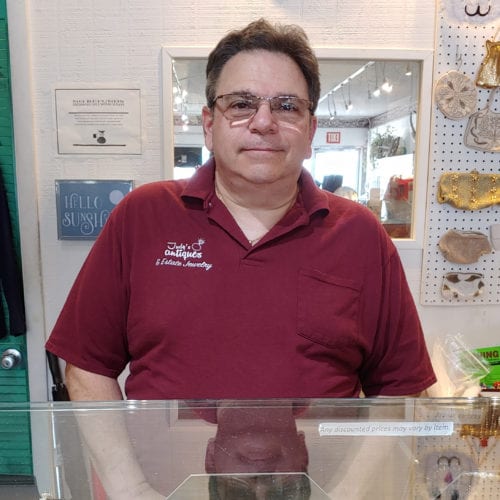
BY: Sal Lanzieri, Judy's Jewelry
A Look at Timeless Beauty and Market Value
At Judy’s Jewelry, we love helping customers in Fort Myers uncover the stories behind antique jewelry—and for many, part of that journey includes learning what their pieces might be worth. Antique jewelry isn’t just beautiful—it’s rich in history, craftsmanship, and sometimes surprising value.
Whether you’re a collector, a seller, or someone sorting through a family estate, understanding the most popular antique styles and their market appeal can help you appreciate what you have or know what to look for next.
Victorian (1837–1901): Romantic and Detailed
Victorian jewelry is often ornate, symbolic, and deeply sentimental. Popular motifs include hearts, flowers, snakes, and lockets. Common materials range from yellow gold and seed pearls to enamel and jet. Mourning jewelry—worn to remember lost loved ones—was especially popular in this era and is still collected today for its emotional depth and dramatic style.
Depending on condition and materials, authentic Victorian pieces can range from a few hundred dollars to several thousand. Items with hallmarks, intricate enamel work, or natural pearls tend to fetch the highest prices.
Edwardian (1901–1915): Elegant and Airy
The Edwardian period brought in a lighter, more delicate aesthetic. White metals like platinum and white gold became popular, often used in fine filigree and lace-like settings. Diamonds, sapphires, and pearls were commonly featured in intricate designs with milgrain detailing.
Because of their craftsmanship and high-end materials, Edwardian pieces are highly collectible. Well-preserved items, especially rings or brooches with natural gemstones, can command significant value on the market.
Art Nouveau (1890–1915): Artistic and Nature-Inspired
Art Nouveau jewelry stands out for its flowing lines and emphasis on nature. You’ll often see motifs like flowers, butterflies, and female figures, rendered in gold, enamel, and semi-precious stones like opal or moonstone. This style prioritizes artistry over traditional structure, making each piece feel like a wearable sculpture.
Collectors pay a premium for authentic Art Nouveau designs, especially those signed by notable makers. These pieces often fall into the higher end of the value spectrum, especially those with excellent enamel or rare materials.
Art Deco (1920s–1930s): Bold and Geometric
Art Deco jewelry remains one of the most beloved and recognizable antique styles. Clean lines, symmetrical shapes, and striking contrasts define this era. Think of step-cut diamonds, onyx inlays, and bold color combinations using emerald, sapphire, and ruby.
Art Deco pieces are consistently in high demand. Their unique blend of vintage appeal and modern aesthetic makes them wearable and collectible. Depending on the stone quality and designer, values range from a few hundred to tens of thousands of dollars.
Retro (1940s–1950s): Glamorous and Gold-Heavy
Retro jewelry came into fashion during and after WWII, when platinum was scarce and yellow and rose gold dominated the market. These pieces often feature large, dramatic designs with synthetic or semi-precious stones, and bold, feminine flair.
Retro items tend to be more affordable than older antiques, but certain signed pieces—especially those from well-known designers—can still command strong prices among vintage jewelry fans.
Curious About Your Jewelry’s Value? Let Us Help
At Judy’s Jewelry, we specialize in evaluating, buying, and selling antique jewelry from all eras. Our team will help you identify the style, era, and materials of your piece and give you a fair, transparent estimate of its current market value.
If you’re in the Fort Myers area and want to learn more about your antique jewelry—or start a collection of your own—stop by Judy’s Jewelry. We’re always happy to talk style, history, and value. Let’s uncover the beauty (and worth) in your jewelry box.