 How to Tell If Your Antique Jewelry Is the Real Deal
At Judy’s Jewelry, we’ve seen firsthand how confusing the world of antique jewelry can be, especially when it comes to telling authentic pieces apart from modern reproductions. Whether you’re shopping, inheriting, or preparing to sell, it’s important to know what you’re holding. For our friends and customers in Estero and beyond, we’re here to break down the differences and help you feel more confident when evaluating antique jewelry.
The truth is, not all jewelry that “looks old” is genuinely antique. With reproduction styles becoming more common and convincing, a little knowledge can go a long way in helping you protect your investment—and enjoy true vintage beauty.
- Understand the Age Range
First, let’s clarify what counts as “antique.” In the jewelry world, a piece is typically considered antique if it’s over 100 years old. That puts us in the early 1900s or earlier. Jewelry from the 1920s through the 1980s is usually classified as vintage, while modern reproductions often mimic older styles but are made using contemporary methods and materials.
- Examine the Craftsmanship
Authentic antique jewelry was almost always handmade, and that craftsmanship shows in small, telling ways. Look closely for:
- Slight asymmetry in details
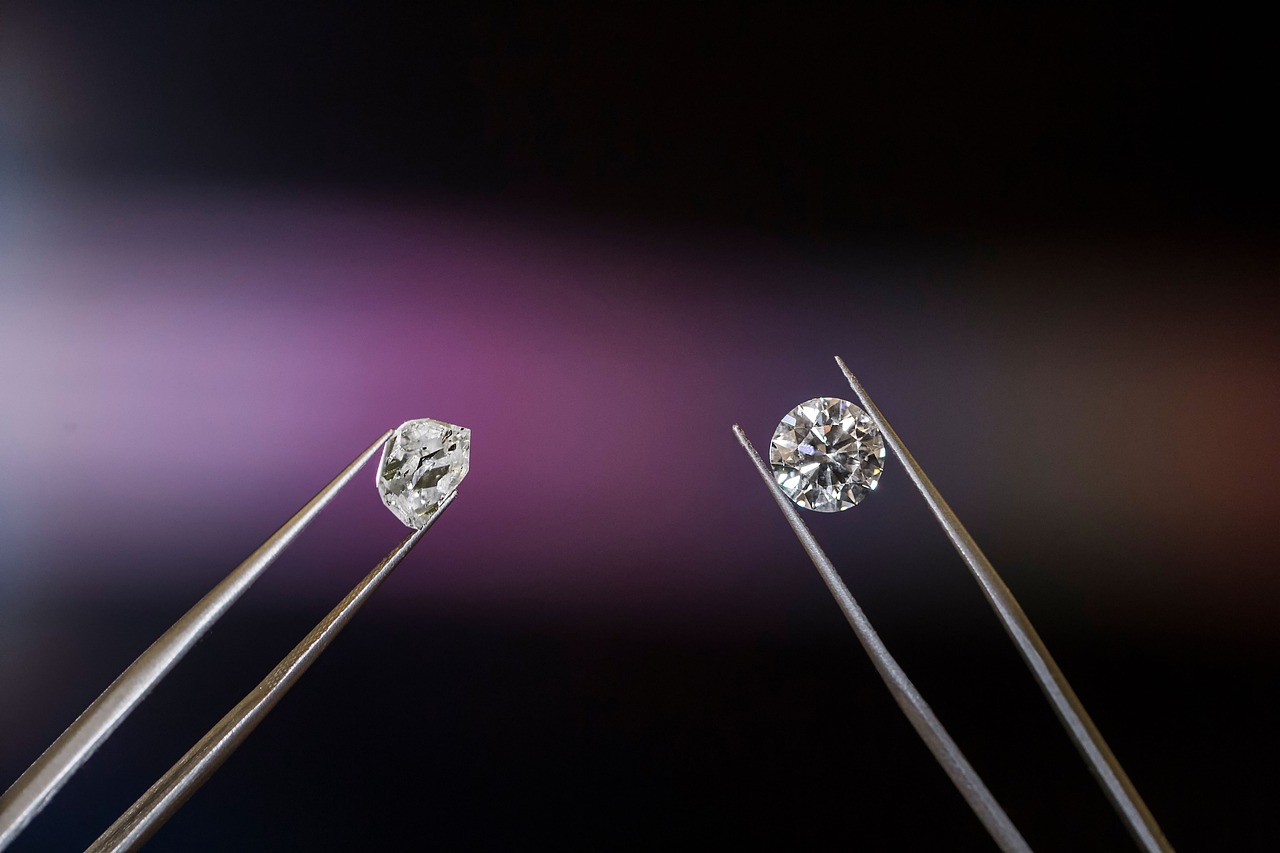
- Hand-cut stones with minor inconsistencies
- Delicate engraving or filigree that looks aged and naturally worn
Reproductions tend to have more uniform designs because they’re mass-produced using modern tools and molds. If it looks too perfect, it might be too new.
- Check the Materials and Hallmarks
Many antique pieces were made with materials like 10K–22K yellow gold, platinum, rose gold, and sterling silver. You may also find older cuts of gemstones—like old mine-cut or rose-cut diamonds—that aren’t used as often today.
Also, look for hallmarks and stamps. Antique jewelry may have marks that reflect older standards (like European or pre-1930s American marks). Reproductions often have modern stamps or lack them altogether. At Judy’s Jewelry, we use magnification tools and reference charts to verify these details properly.
- Watch for Signs of Aging—Naturally
Genuine antique jewelry will show its age. Over time, metals develop a natural patina, and stones might have minor chips or surface wear. Settings may also show gentle loosening. While too much wear might affect value, light aging often confirms authenticity.
By contrast, a “vintage-looking” piece with flawless surfaces and shiny finishes might be a reproduction intentionally made to look old. That doesn’t mean it lacks beauty—it just might not be as old or valuable as it appears.
- Trust Your Source
The best way to protect yourself from purchasing a reproduction labeled as antique is to buy from a reputable and experienced dealer. At Judy’s Jewelry, we take pride in offering only genuine antique and vintage pieces. We authenticate everything we sell, explain the origin and era, and stand behind every item in our Fort Myers showroom.
If you're unsure about a piece you already own, we’ll happily inspect it for you. We’ve helped many collectors and sellers in Estero confirm what’s real and what’s not.
Visit Judy’s Jewelry for Honest Expertise
Don’t let replicas fool you. If you're building a collection, planning to sell, or simply curious about a family heirloom, stop by Judy’s Jewelry. We’re here to help you understand the difference, appreciate the details, and find the true treasures hiding in plain sight.