Why Reformer Pilates Builds More Than Core Strength
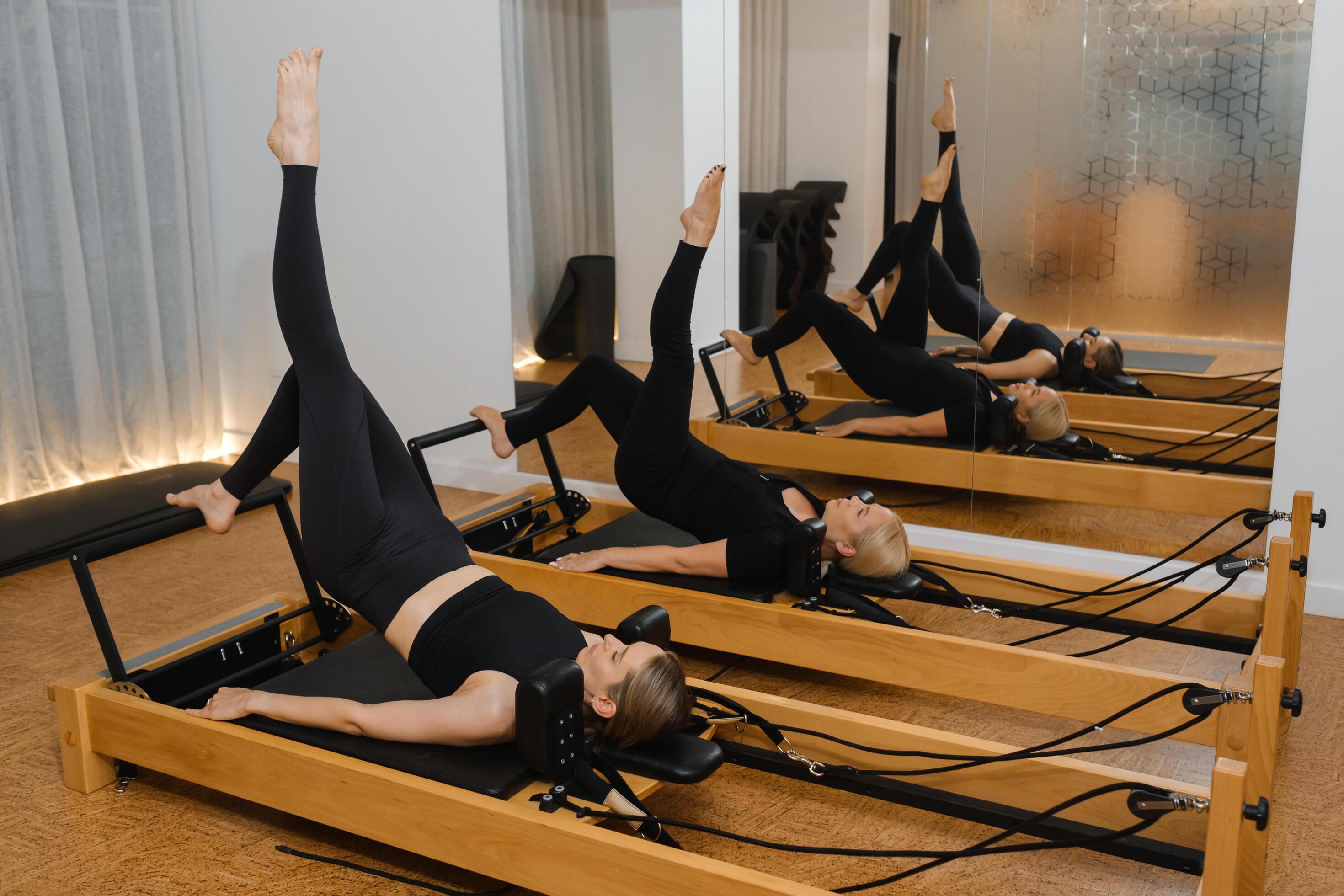
Reformer Pilates is often associated with abdominal work, but the method reaches far beyond the core. The equipment uses a sliding carriage, springs, straps, and a footbar to create adjustable resistance. This setup allows the arms, legs, glutes, back, and stabilizing muscles to work together instead of training one area alone.
At SALTVAULT of Encinitas, we focus on Pilates foundations such as breath, concentration, control, flow, and precision. Our public schedule features musically driven Mat Pilates, but these same principles explain why reformer training is used for balanced strength. Both formats ask participants to move with purpose rather than momentum.
How Adjustable Resistance Challenges the Body
One advantage of reformer Pilates is the ability to change resistance without relying on heavy weights. Springs may make an exercise more supportive or more demanding. This flexibility allows an instructor to challenge strength while keeping alignment and control at the center of each sequence.
A lower-body exercise may target the glutes and legs while the core keeps the carriage stable. Strap work challenges the shoulders and arms while requiring steady posture through the trunk. Even simple movements become full-body exercises because several muscle groups must coordinate at once.
Why Core Control Leads the Workout
The core remains essential during reformer training because it connects the upper and lower body. Every push, pull, and carriage movement requires the trunk to manage force and maintain alignment. When the core stays active, the limbs move with greater control and the spine receives better support.
This process helps develop functional strength. Participants are not only building muscles for class. They are practicing stability needed for walking, lifting, reaching, sports, and daily activities.
Low-Impact Training With Progressive Resistance
Reformer Pilates creates intensity without relying on jumping, pounding, or rapid directional changes. The carriage moves along a guided track, supporting smooth transitions and controlled ranges of motion. This makes the method appealing to people seeking a challenging workout without repeated joint impact.
Low impact does not mean low effort. Slow repetitions, longer holds, and managed resistance make muscles work hard. Controlled movement may also reveal strength differences between sides or areas where mobility needs attention.
How Reformer and Mat Pilates Work Together
Reformer and mat Pilates share the same principles, although each creates a different challenge. The reformer provides resistance and feedback through springs and straps. Mat Pilates relies more heavily on body weight, props, and the participant’s ability to create stability without machine support.
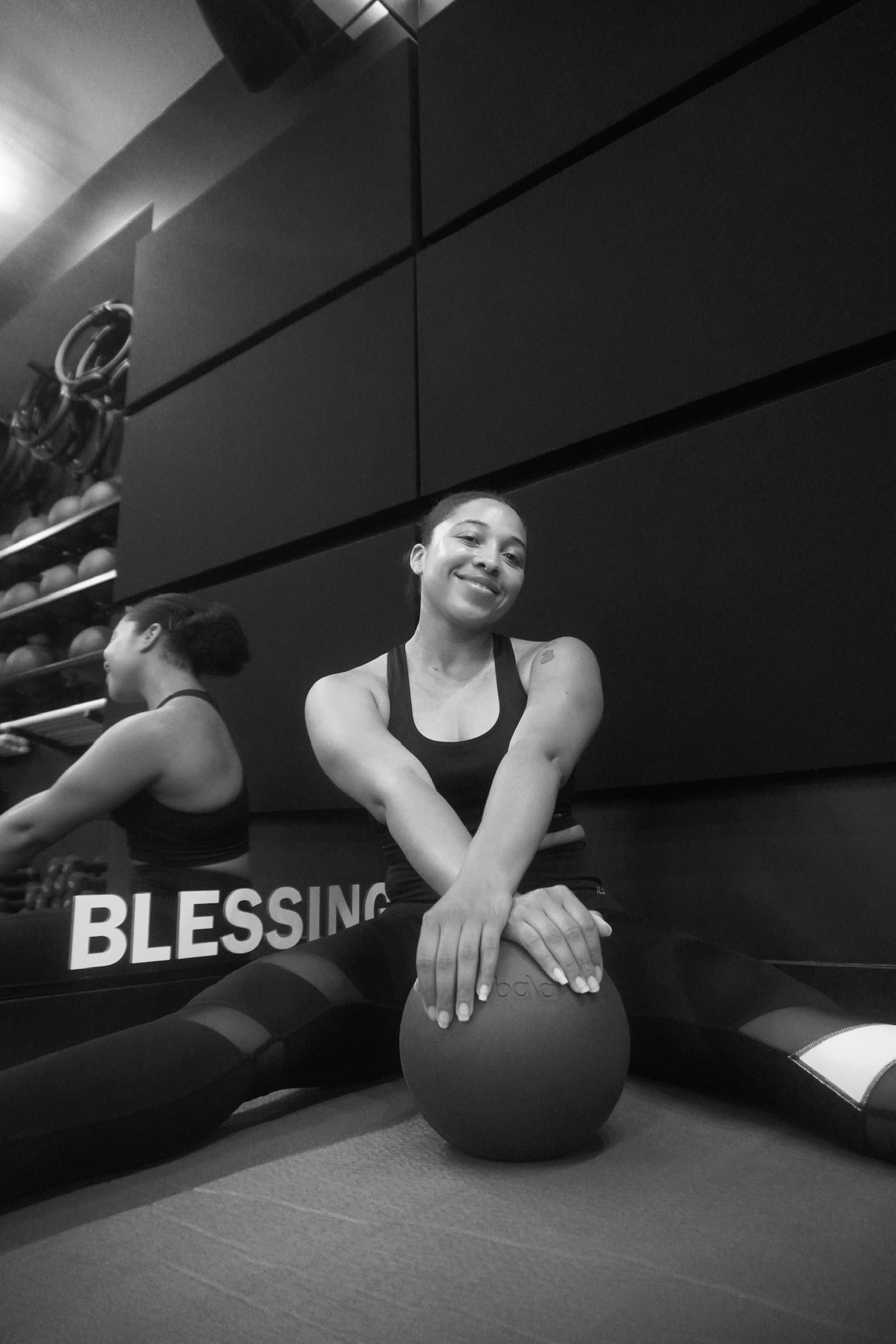
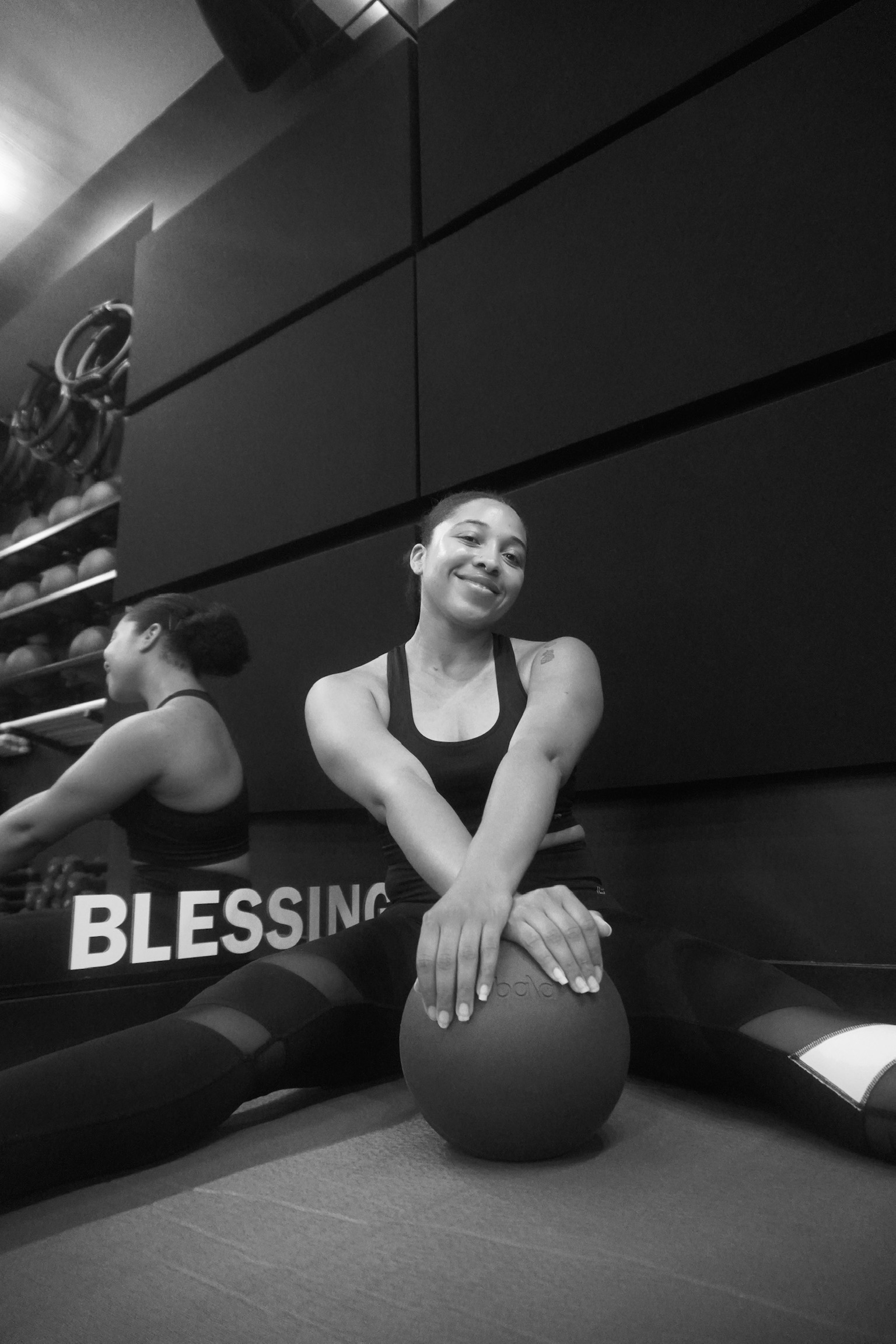
At SALTVAULT, our infrared-heated and unheated mat classes use resistance bands, light weights, Pilates balls, and the magic circle to build full-body strength. SPICE emphasizes heated intermediate and advanced mat work. SAVOR adds HIIT-inspired conditioning, while ZEST focuses on trunk strength, spinal movement, and Pilates fundamentals.
Explore Strength Training at SALTVAULT
Reformer Pilates offers a controlled, low-impact way to strengthen the entire body, improve balance, and develop better movement habits. However, SALTVAULT’s public website identifies the studio as Mat Pilates and does not list regular reformer classes on its class schedule. Guests interested in reformer training should contact SALTVAULT of Encinitas to confirm private-session or specialty availability.
Whether training on a reformer or a mat, consistent Pilates practice helps build strength from the center outward. Explore our available classes to find the format suited to your goals, experience, and preferred intensity.