Why Chronic Back Tension Can Linger
Back tension often builds gradually. Long hours at a desk, repetitive lifting, limited hip mobility, poor posture, and weak stabilizing muscles may all contribute. Once the body starts compensating, one tight area may force another area to work harder. The result may feel like stiffness or an ache returning during everyday movement.
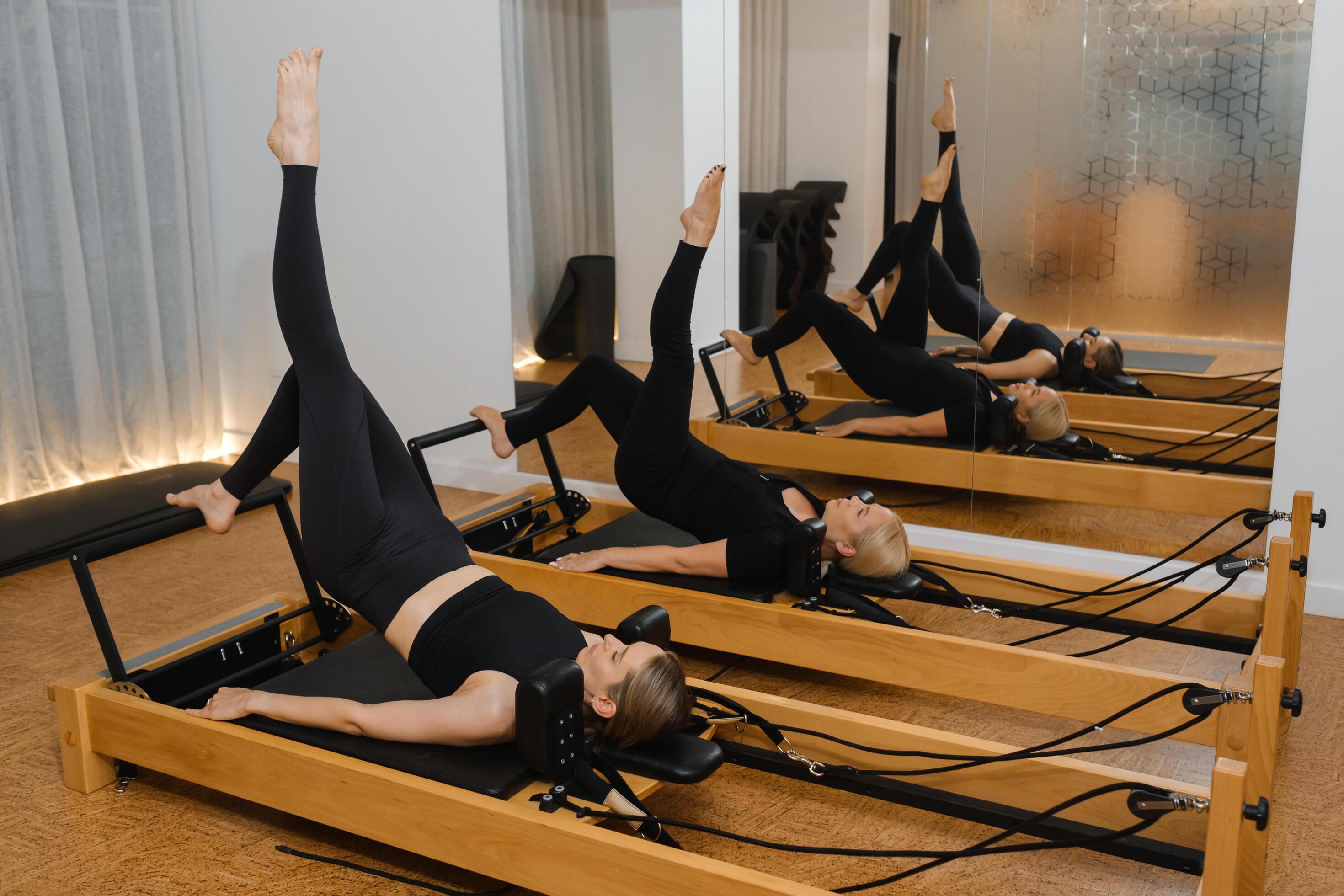
At SALTVAULT of Encinitas, we use Mat Pilates principles to help guests move with greater control. Our classes emphasize breath, concentration, precision, flow, and trunk strength. Participants learn how to engage the muscles supporting the spine while moving through comfortable ranges.
How Pilates Supports the Spine
Pilates trains more than the visible abdominal muscles. It also works the deeper core, hips, glutes, and postural muscles that stabilize the pelvis and spine. When these areas work together, the back does not have to handle every task alone.
Controlled exercises teach the body to distribute effort more evenly. A stronger trunk may support better posture while standing, sitting, bending, or lifting. Slow transitions also help participants notice where they brace, twist, or rely on momentum. This awareness may reduce habits contributing to recurring tension.
Research suggests Pilates may reduce pain and improve function for some people with chronic nonspecific low back pain. It is not clearly superior to every other form of exercise, and results vary by person. Consistency and appropriate guidance remain important.
Why Relief May Feel Faster After Movement
Pilates does not cure chronic back pain in one session. Still, some people may feel looser after class because gentle movement increases circulation, controlled breathing reduces guarding, and mobility work helps stiff areas move again.
SALTVAULT offers heated and unheated Mat Pilates formats. Our heated classes use infrared warmth, while ZEST removes the heat and focuses on spinal movement, trunk strength, centering, control, breath, and flow. The best choice depends on personal comfort, experience, and medical restrictions.
Heat may help muscles feel warmer during movement, but more flexibility does not mean pushing farther. Proper control matters more than depth. Guests should avoid forcing stretches or working through sharp pain.
Low-Impact Strength Without Added Pounding
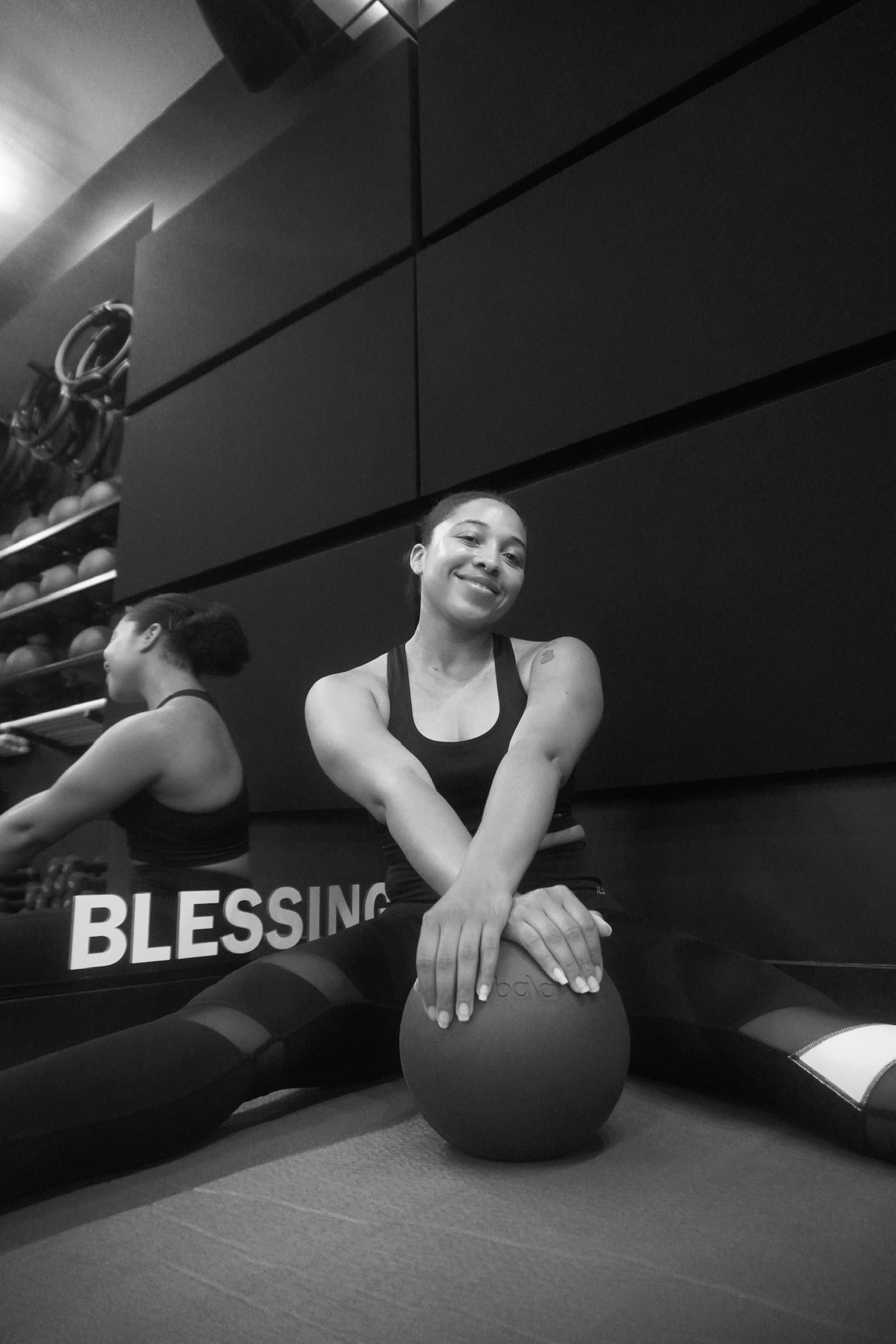
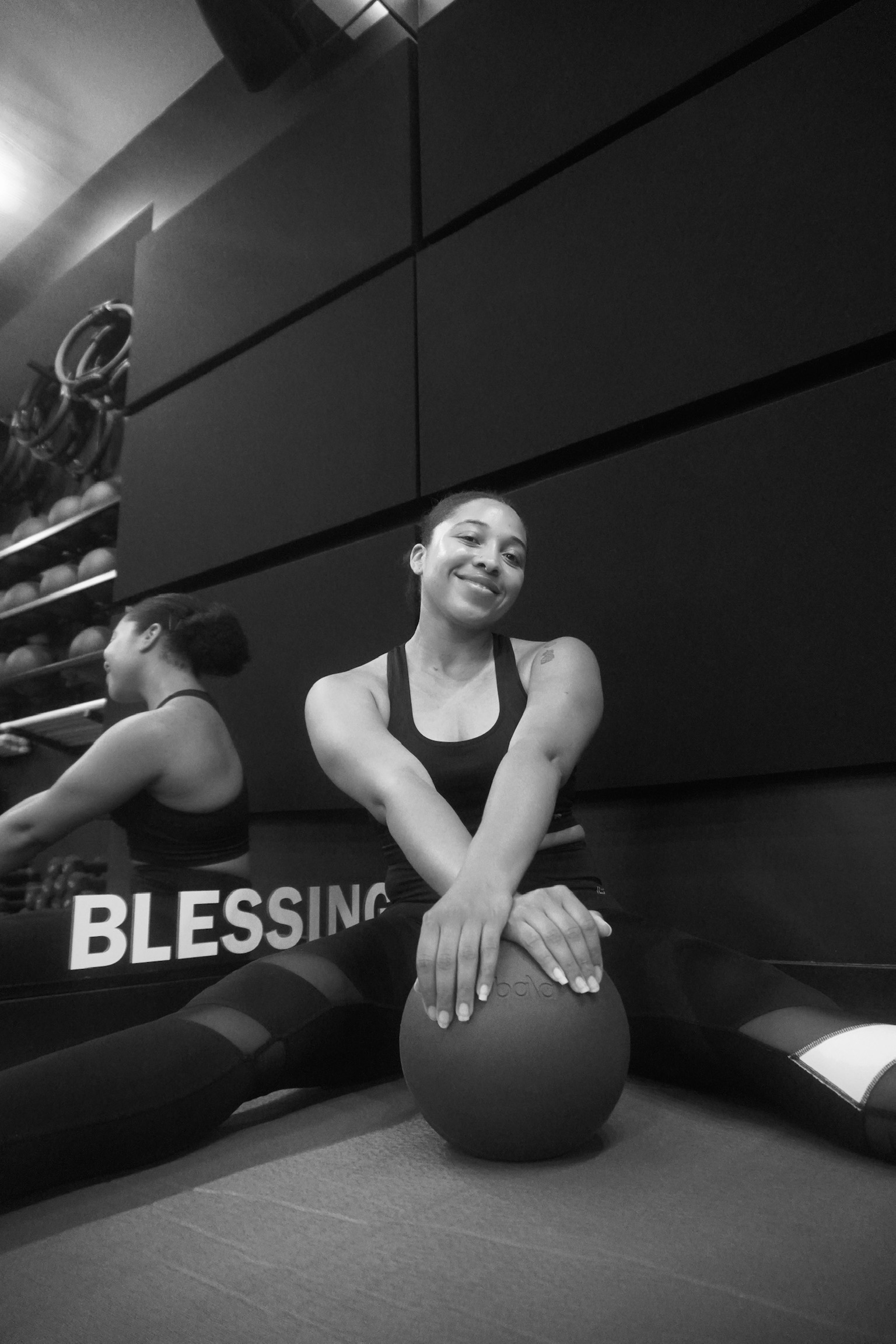
Pilates builds strength without jumping, running, or repeated impact. The challenge comes from steady muscle engagement, pauses, small pulses, balance work, and precise transitions. Props such as resistance bands, light weights, Pilates balls, or the magic circle may add resistance while keeping movement controlled.
This structure may suit people who want to stay active without placing extra stress on sensitive joints. Instructors offer options so participants may adjust range, resistance, or pace while maintaining alignment.
When to Speak With a Medical Professional
Persistent or worsening back pain deserves medical attention. Seek prompt care for numbness, weakness, bowel or bladder changes, fever, unexplained weight loss, or pain following trauma. Guests recovering from surgery or managing an acute injury should receive clearance before class.
Move With Greater Comfort at SALTVAULT
Pilates may help relieve chronic back tension by strengthening the muscles supporting the spine, improving mobility, and teaching better movement habits. At SALTVAULT of Encinitas, we guide guests through low-impact Mat Pilates built around control, breath, and full-body coordination.
Relief may begin with one class, but lasting progress comes from steady practice. Explore our class options and choose a format matching your experience, comfort, and movement goals.