 Does window film go on the outside of the window or inside?
BOTH! We have films that go on the interior or exterior of the glass. Let’s take a look at some of the benefits and limitations of the two major types of film, exterior and interior window films. Here are a few questions you have to answer when selecting your film: (Don’t worry, Pro-Tint is ready to help you in every step of the process)
a. How long is the film intended to last?
b. Are the windows (glass) able to be reached from the interior easily?
c. What is the performance outcome desired?
i. Heat Protection?
ii. Ultraviolet Control / Fade Protection?
iii. Glare control?
d. What is your expectation of the installation after the film is installed, do you want an Aesthetic change or not? Is the film to be visible where it is installed or almost invisible? Is a reflective finish desired or a flat muted tone?
Interior films have many choices (100+); carry a lifetime residential (10-15 commercial year warranty), and last years beyond the stated warranty period. We have been installing film since 1986 and have thousands of installations that are past their warranty coverage and are still going strong. Glass that is easily accessible from the interior can be neatly filmed; if not then an exterior film might be the best option (see next section). Interior application films are available in a wide range of performance and visual impact. Films built with microscopic nanoceramic particles are low visual impact films that give high performance against Ultraviolet rays, heat and glare and have little or no visual change to the glass. Ceramic films from Huper Optik are the market and technology leader with multi-layered nanoceramic films without adding a reflective shine to the glass.
For reference glass has a natural reflective percent of 8-9% per layer, ceramic films reflect about 8%. Traditional films constructed of metals like aluminum have been used for over 40 years and perform well against heat and glare by making the glass more reflective. Traditional films’ reflectivity can range from 35-75% reflective. Neutral films built out of metals such as nickel or alloys (mixes) have a less reflective impact on the glass and can range from 15-45% reflective. Items that can mask reflectivity are dyes and pigments, be sure to know what your choices are constructed from as the longevity and long term satisfaction are critical. Stability and longevity is based on what the film is constructed of, the performance coatings play a large role. A total ceramic is the most stable, followed by non-corrosive metalized films and alloy(mixed metals) films, fragile metallized films (i.e. silver), then to pigments, and finally dyes.
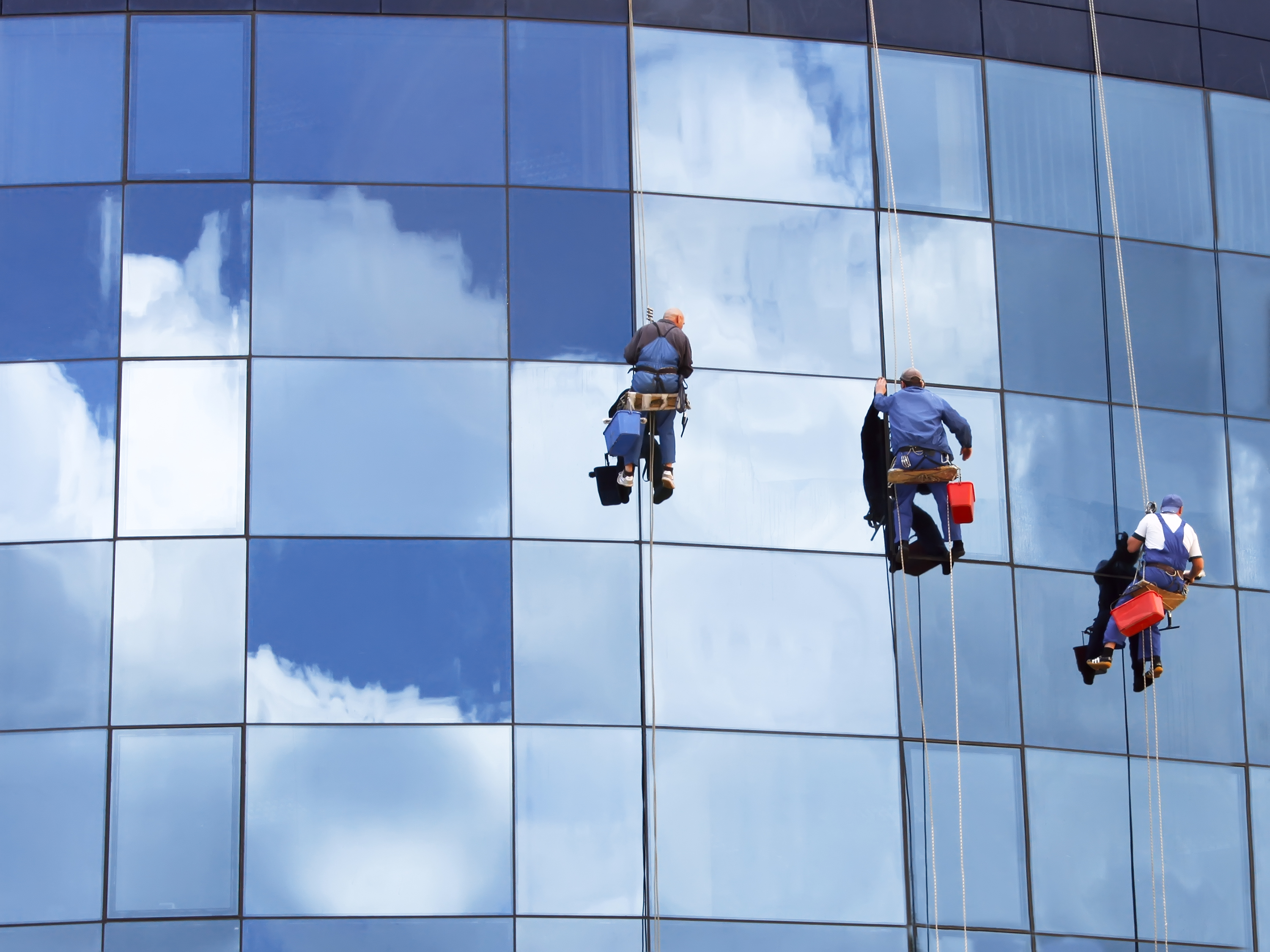
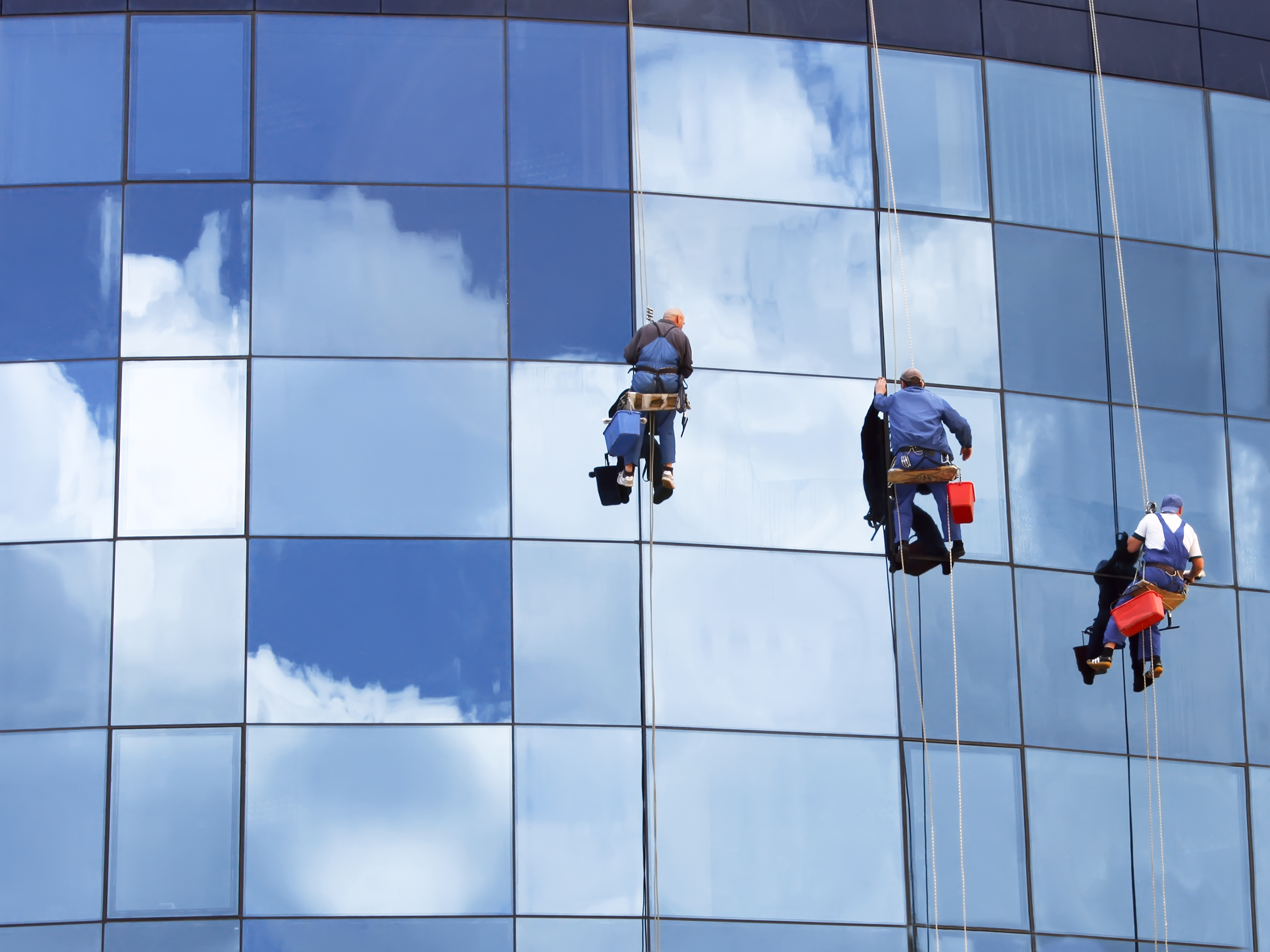
Exterior films are specifically made to be placed outside in the elements and are designed to withstand the harsh environment much better than interior films. They can outperform interior films in rejecting heat energy because they are the first layer that is impacted by the sun’s energy, and can start rejecting solar energy from the initial impact instead of being the last to encounter the energy then having to reflect/reject it back through the glass to the outside. Ultraviolet light is rejected in high amounts (upwards of 99%) but drop logarithmically as the film ages. Glare control is gauged by how dark the film appears, the darker the film the more glare it reduces. Exterior films have a limited choice of performance options (about (10) to select from) and they are backed by with a 3-10 year warranty. Exterior films typically will not last much past the warranty period and will need to be removed and replaced as the warranty ends. Exterior films are limited in choices for performance and trend toward a more reflective appearance (25-75%+) Choose an exterior film when a short longevity is desired, or when there is high difficulty in accessing the interior of the glass, and a need for the ultimate performance in energy protection from the Sun. Chris Lueck – Pro-Tint, Inc. Protint.com
Does window film go on the outside of the window or inside?
BOTH! We have films that go on the interior or exterior of the glass. Let’s take a look at some of the benefits and limitations of the two major types of film, exterior and interior window films. Here are a few questions you have to answer when selecting your film: (Don’t worry, Pro-Tint is ready to help you in every step of the process)
a. How long is the film intended to last?
b. Are the windows (glass) able to be reached from the interior easily?
c. What is the performance outcome desired?
i. Heat Protection?
ii. Ultraviolet Control / Fade Protection?
iii. Glare control?
d. What is your expectation of the installation after the film is installed, do you want an Aesthetic change or not? Is the film to be visible where it is installed or almost invisible? Is a reflective finish desired or a flat muted tone?
Interior films have many choices (100+); carry a lifetime residential (10-15 commercial year warranty), and last years beyond the stated warranty period. We have been installing film since 1986 and have thousands of installations that are past their warranty coverage and are still going strong. Glass that is easily accessible from the interior can be neatly filmed; if not then an exterior film might be the best option (see next section). Interior application films are available in a wide range of performance and visual impact. Films built with microscopic nanoceramic particles are low visual impact films that give high performance against Ultraviolet rays, heat and glare and have little or no visual change to the glass. Ceramic films from Huper Optik are the market and technology leader with multi-layered nanoceramic films without adding a reflective shine to the glass.
For reference glass has a natural reflective percent of 8-9% per layer, ceramic films reflect about 8%. Traditional films constructed of metals like aluminum have been used for over 40 years and perform well against heat and glare by making the glass more reflective. Traditional films’ reflectivity can range from 35-75% reflective. Neutral films built out of metals such as nickel or alloys (mixes) have a less reflective impact on the glass and can range from 15-45% reflective. Items that can mask reflectivity are dyes and pigments, be sure to know what your choices are constructed from as the longevity and long term satisfaction are critical. Stability and longevity is based on what the film is constructed of, the performance coatings play a large role. A total ceramic is the most stable, followed by non-corrosive metalized films and alloy(mixed metals) films, fragile metallized films (i.e. silver), then to pigments, and finally dyes.
Exterior films are specifically made to be placed outside in the elements and are designed to withstand the harsh environment much better than interior films. They can outperform interior films in rejecting heat energy because they are the first layer that is impacted by the sun’s energy, and can start rejecting solar energy from the initial impact instead of being the last to encounter the energy then having to reflect/reject it back through the glass to the outside. Ultraviolet light is rejected in high amounts (upwards of 99%) but drop logarithmically as the film ages. Glare control is gauged by how dark the film appears, the darker the film the more glare it reduces. Exterior films have a limited choice of performance options (about (10) to select from) and they are backed by with a 3-10 year warranty. Exterior films typically will not last much past the warranty period and will need to be removed and replaced as the warranty ends. Exterior films are limited in choices for performance and trend toward a more reflective appearance (25-75%+) Choose an exterior film when a short longevity is desired, or when there is high difficulty in accessing the interior of the glass, and a need for the ultimate performance in energy protection from the Sun. Chris Lueck – Pro-Tint, Inc. Protint.com
Window Tinting FAQ - Does the window film go on the inside or outside of the glass?
SYNOPSIS: Does window film go on the outside of the window or inside?
BOTH! We have films that go on the interior or exterior of the glass. Let’s take a look at some of the benefits and limitations of the two major types of film, exterior and interior windo
BY: ,
Does window film go on the outside of the window or inside?
BOTH! We have films that go on the interior or exterior of the glass. Let’s take a look at some of the benefits and limitations of the two major types of film, exterior and interior window films. Here are a few questions you have to answer when selecting your film: (Don’t worry, Pro-Tint is ready to help you in every step of the process)
a. How long is the film intended to last?
b. Are the windows (glass) able to be reached from the interior easily?
c. What is the performance outcome desired?
i. Heat Protection?
ii. Ultraviolet Control / Fade Protection?
iii. Glare control?
d. What is your expectation of the installation after the film is installed, do you want an Aesthetic change or not? Is the film to be visible where it is installed or almost invisible? Is a reflective finish desired or a flat muted tone?
Interior films have many choices (100+); carry a lifetime residential (10-15 commercial year warranty), and last years beyond the stated warranty period. We have been installing film since 1986 and have thousands of installations that are past their warranty coverage and are still going strong. Glass that is easily accessible from the interior can be neatly filmed; if not then an exterior film might be the best option (see next section). Interior application films are available in a wide range of performance and visual impact. Films built with microscopic nanoceramic particles are low visual impact films that give high performance against Ultraviolet rays, heat and glare and have little or no visual change to the glass. Ceramic films from Huper Optik are the market and technology leader with multi-layered nanoceramic films without adding a reflective shine to the glass.
For reference glass has a natural reflective percent of 8-9% per layer, ceramic films reflect about 8%. Traditional films constructed of metals like aluminum have been used for over 40 years and perform well against heat and glare by making the glass more reflective. Traditional films’ reflectivity can range from 35-75% reflective. Neutral films built out of metals such as nickel or alloys (mixes) have a less reflective impact on the glass and can range from 15-45% reflective. Items that can mask reflectivity are dyes and pigments, be sure to know what your choices are constructed from as the longevity and long term satisfaction are critical. Stability and longevity is based on what the film is constructed of, the performance coatings play a large role. A total ceramic is the most stable, followed by non-corrosive metalized films and alloy(mixed metals) films, fragile metallized films (i.e. silver), then to pigments, and finally dyes.
Exterior films are specifically made to be placed outside in the elements and are designed to withstand the harsh environment much better than interior films. They can outperform interior films in rejecting heat energy because they are the first layer that is impacted by the sun’s energy, and can start rejecting solar energy from the initial impact instead of being the last to encounter the energy then having to reflect/reject it back through the glass to the outside. Ultraviolet light is rejected in high amounts (upwards of 99%) but drop logarithmically as the film ages. Glare control is gauged by how dark the film appears, the darker the film the more glare it reduces. Exterior films have a limited choice of performance options (about (10) to select from) and they are backed by with a 3-10 year warranty. Exterior films typically will not last much past the warranty period and will need to be removed and replaced as the warranty ends. Exterior films are limited in choices for performance and trend toward a more reflective appearance (25-75%+) Choose an exterior film when a short longevity is desired, or when there is high difficulty in accessing the interior of the glass, and a need for the ultimate performance in energy protection from the Sun. Chris Lueck – Pro-Tint, Inc. Protint.com