Brakes wear a little at a time, over thousands of stops, so the change is easy to miss until something forces your attention. The Accord is easy on its brakes, but the pads still run out. Each stage of wear makes its own sound or feel, and reading them right is how you catch it while it's cheap.
The Squeal Is Engineered In
That high squeal when you slow down isn't the pad failing; it's the pad warning you. Most Accord pads carry a small steel wear indicator that starts contacting the rotor when the friction material gets thin. The metal-on-metal chirp is deliberate, meant to nag you before it turns into a real problem. A squeal on every stop that quiets once you're parked is the pad saying it's near the end of its life.
When Squeal Becomes Grind
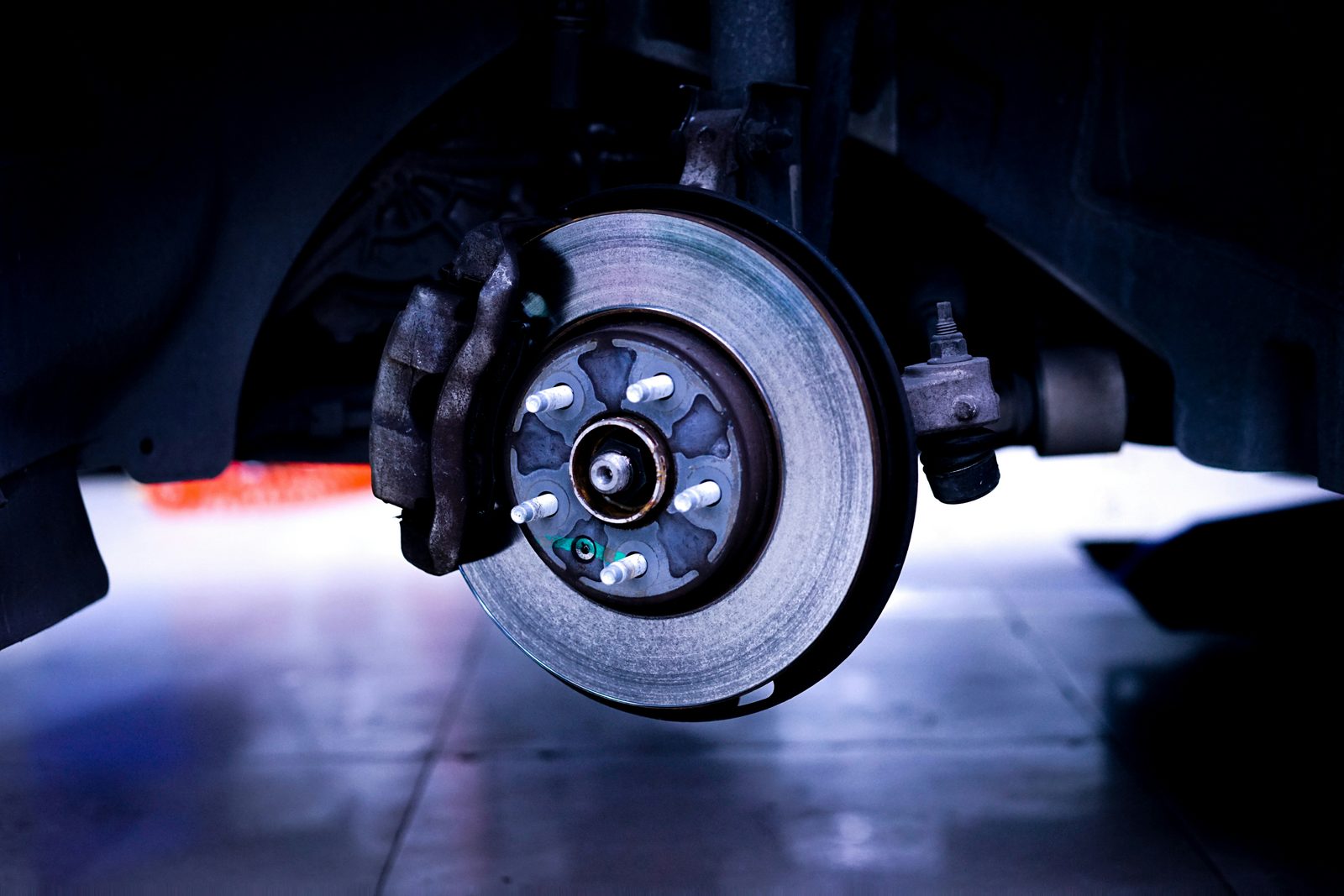
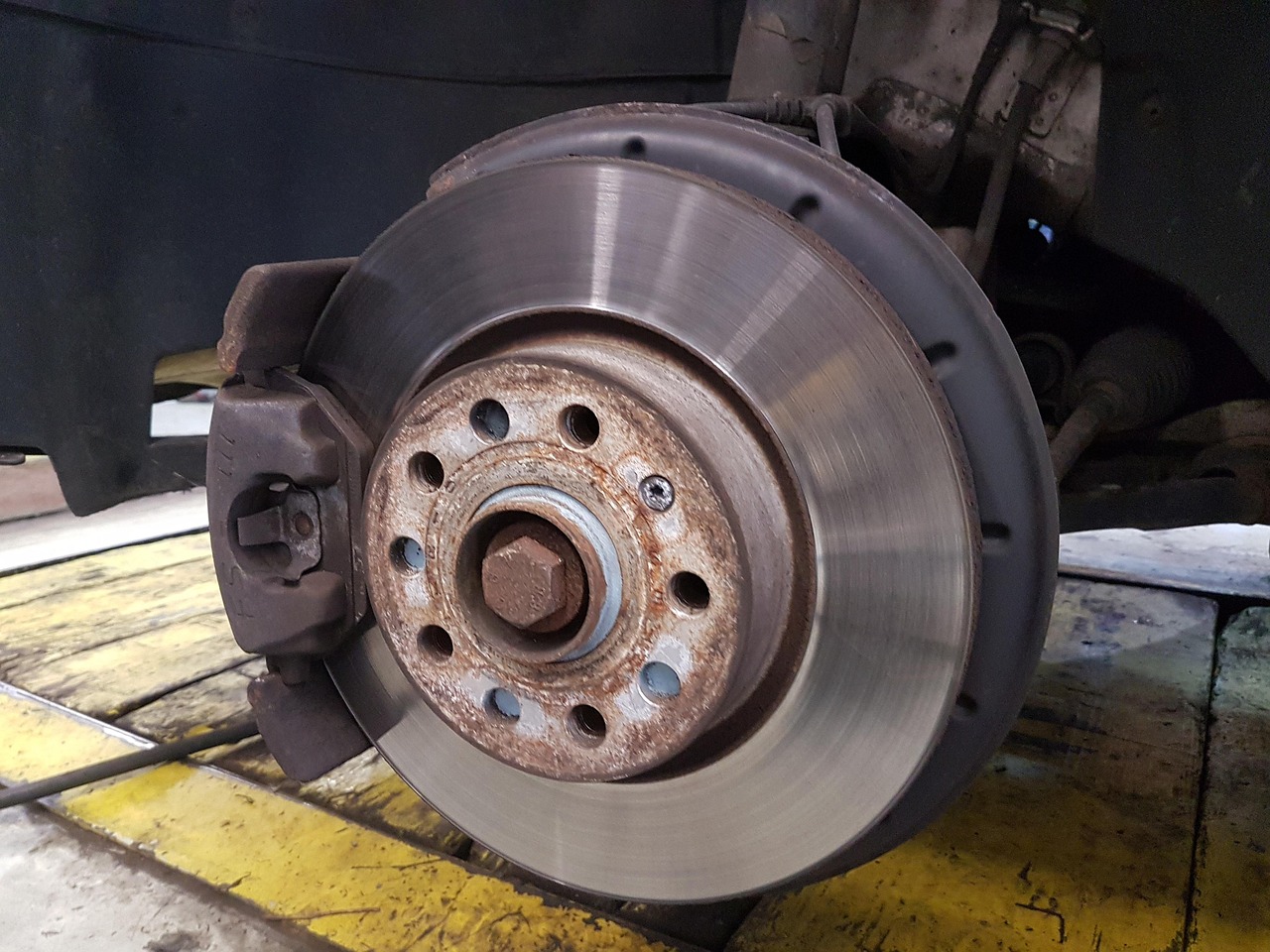
Ignore the indicator long enough and the friction material runs out entirely. Now the steel backing plate rides directly on the rotor, and that's the deep grind you hear and feel. At that point every stop machines grooves into the rotor face. Pads are inexpensive. Rotors are not, and once they're scored past spec they get replaced, not resurfaced.
The Other Signals
Noise isn't the only tell. Watch and feel for these:
- A pedal that sinks farther or feels softer than usual, pointing at the hydraulic side
- A pull to one side under braking, often a sticking caliper or uneven pads
- A rhythmic pulse through the pedal, usually rotor thickness variation
- Longer stopping distances than you're used to
- A brake or ABS light on the dash
A pulsing pedal and a pull each point somewhere specific, which is why a proper look beats guessing.
Why Waiting Is the Costly Choice
Brakes are the one system where putting it off adds real risk, not just cost. Thin pads stretch your stopping distance in the exact moment you need it short. And the money side compounds. Pads caught at the squeal are a small job. Let them grind and you're buying rotors, and a neglected caliper on top of that.
How We Check Them
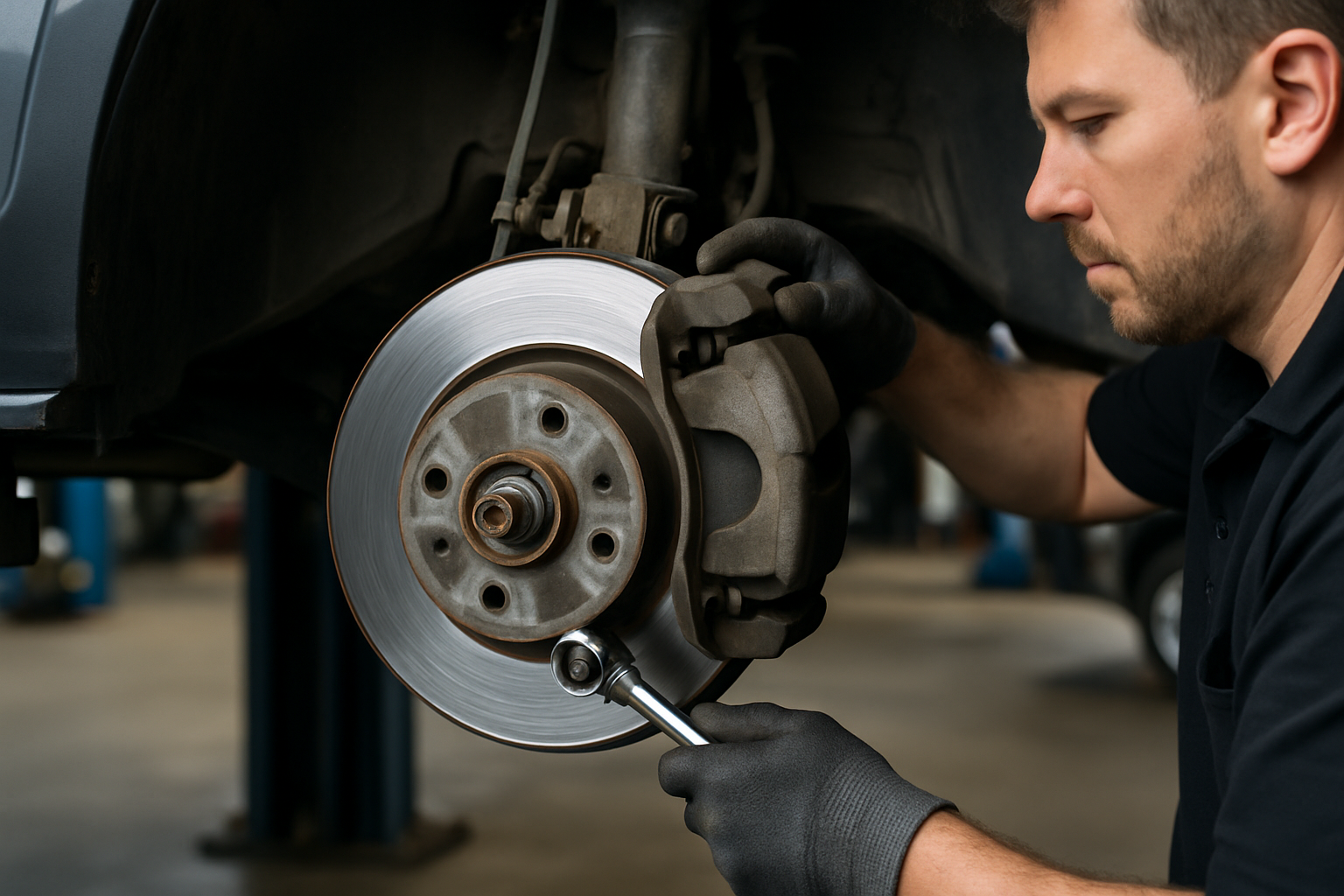
When an Accord comes in for brakes, we pull the wheels and measure pad thickness directly, check rotor runout and thickness for the warping behind a pulse, look for uneven wear side to side, and confirm the calipers slide freely. That sorts pads-only from pads-and-rotors from a caliper issue. Then you get a straight answer with nothing padded on.
Handle It at the Squeal
A squeal is cheap, but a grind isn't. Bring your Accord to Driven Auto Care of Castro Valley and we'll measure the pads and rotors and tell you exactly where they stand. Call to book a brake inspection.