You park the Q7 at night and it sits level. You walk out the next morning with your coffee and one corner is down. Sometimes it is the rear. Sometimes the whole back end squats like the truck is loaded. Start the engine, wait a minute, and it pumps itself back up like nothing happened.
That recovery act fools a lot of owners. The truck fixes itself, so it must be fine. It is not fine. Air left the system while you slept, and it has to go somewhere.
How the Q7 Holds Itself Up
The Q7 rides on air springs instead of steel coils. Each corner has a rubber bladder filled with pressurized air, fed by a compressor and a valve block that decides where the air goes. The system holds ride height while parked. A healthy Q7 should sit level for days without running.
When it cannot hold height overnight, air is escaping. The engine start wakes the compressor, the compressor refills the low corner, and you drive off level. The leak stays.
Why the Cold Driveway Matters
Rubber shrinks when temperatures drop. The air spring bladders on a Q7 age like any rubber part, and fine cracks form in the folds where the bag flexes. On a warm afternoon, those cracks stay closed enough to seal. On a cold night, the rubber stiffens and pulls tight, the cracks open up, and the air hisses out slowly for hours.
That is why the sag shows up overnight and in cooler months first. The leak was already there. The cold just gives it room to work.
Where the Air Usually Escapes
A few spots account for most overnight sag on these trucks:
- Cracked air spring bladders, usually at the fold line where the rubber rolls
- Leaking fittings where the air lines meet the struts
- A valve block that bleeds pressure between corners
- Air lines chafed or cracked along their run under the body
One corner dropping points at that corner's spring or fitting. The whole rear settling evenly points more toward the valve block or a shared line.
The Compressor Takes the Hit
Here is the part that turns a small leak into a big bill. Every morning the compressor works to refill what leaked out. It was built for occasional height changes, not a daily rescue. Run it hard enough for long enough, and it overheats and fails. Now you need the leaking spring and a compressor, and the price of waiting just doubled.
A Q7 that sags overnight is on a clock. The sooner the leak is found, the more of the system you save.
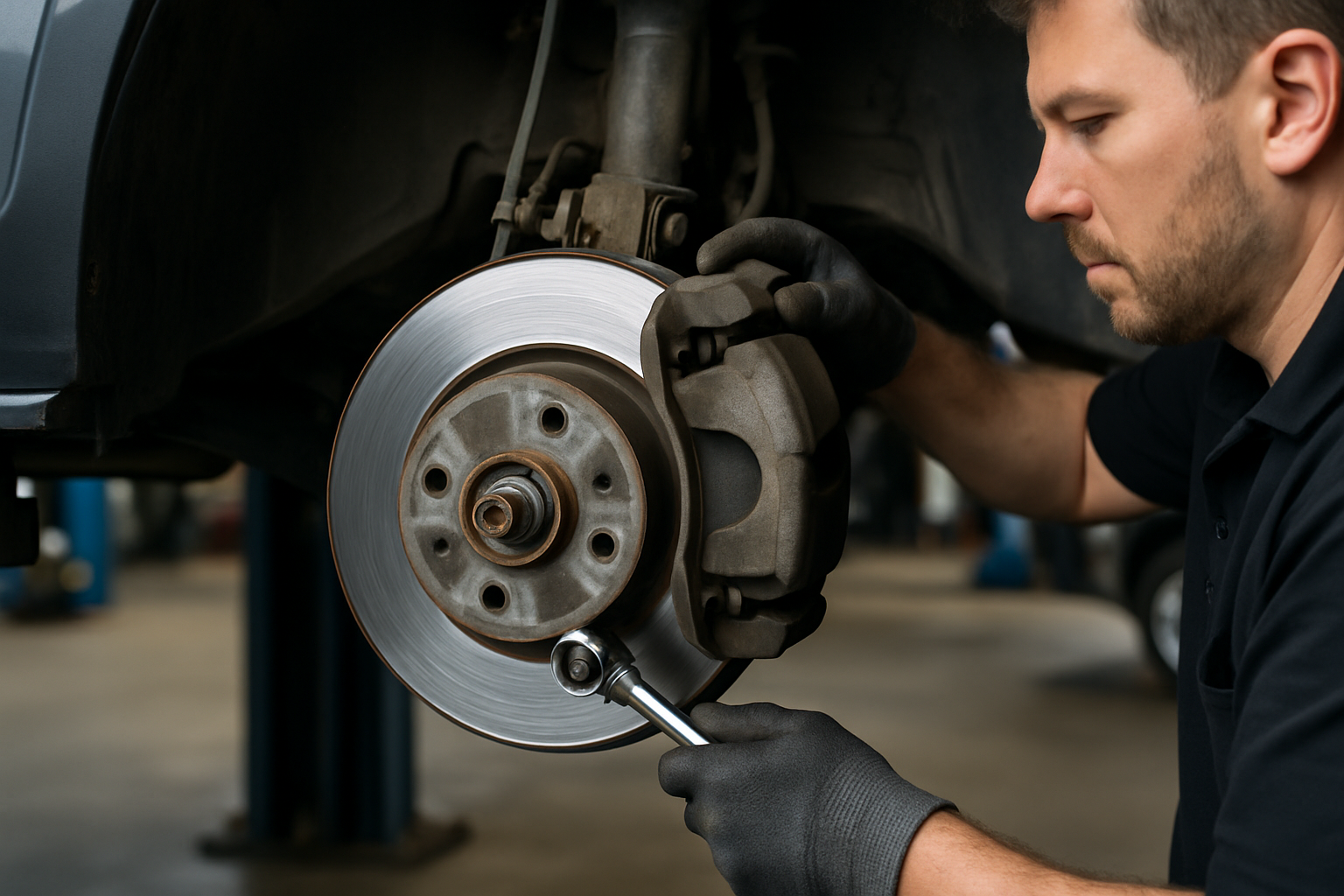
Get the Q7 Sitting Level Again
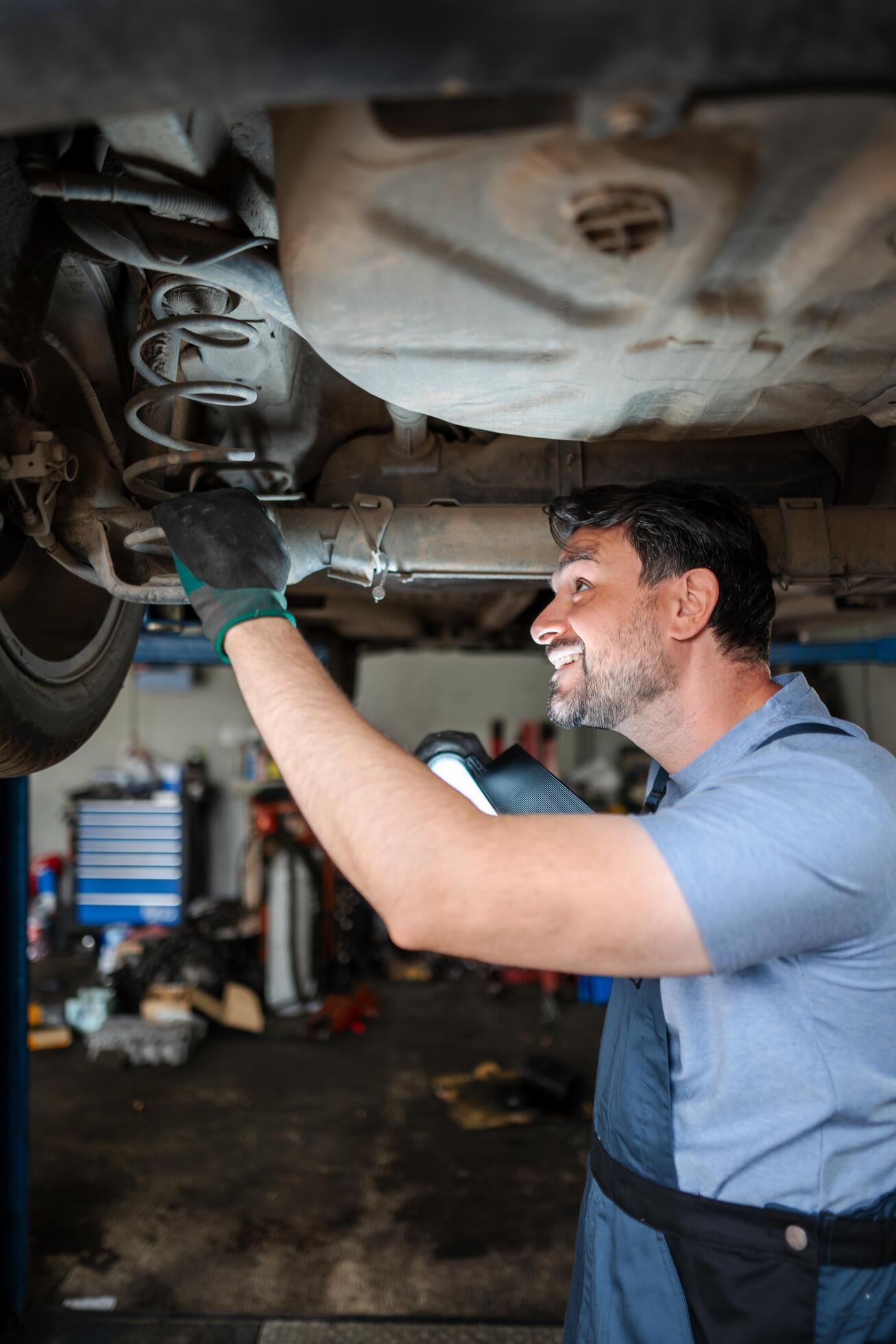
We trace air suspension leaks the slow, careful way. Soapy water on the springs and fittings, pressure readings from the system, and a scan for fault codes the level sensors have stored. You get told which part is leaking and what shape the compressor is in before anything comes apart. Bring your Q7 to Driven Auto Care of Castro Valley and let us find the leak before it takes the compressor with it.