You're heading up 580 toward Dublin. The road is smooth. Traffic is light. Then it starts. A little wobble around 55. By 65 the steering wheel is buzzing in your hands. Maybe the seat too. Ease off the gas and it settles. Speed back up and it's back.
If that sounds like your CR-V, you're not making it up. Shaking at highway speed is one of the more common things people bring in. The good news is the cause is usually pretty straightforward.
Tires Get Blamed First, and Usually for Good Reason
Most highway shakes come down to the tires. A wheel that's slightly off balance will feel fine around town and shake hard once you're past 50. Same story with a tire that's worn weird, started cupping, or sat too long and developed a flat spot.
Took a trip and parked the CR-V at the airport for a couple weeks? If the shake started right after, that's probably what happened. Sometimes it goes away after a few miles. Sometimes it sticks around.
Worth a look at your tires for:
- Uneven wear across the tread
- Cupping you can feel by running your hand over the tire rubber
- Bulges or bubbles on the sidewall
- Age, especially anything past six years old
Bent Wheels and Bay Area Potholes
If you drive Redwood Road much, or some of the older stretches near Lake Chabot, you already know. The pavement bites. One solid pothole hit can bend a wheel just enough to throw the balance off without leaving a mark you'd notice. The shake usually creeps in after the fact and gets worse over the next few weeks.
A bent wheel won't hold a balance, no matter how many weights you add. We can spot it pretty quick on the machine.
The Shake That Only Shows Up When You Brake
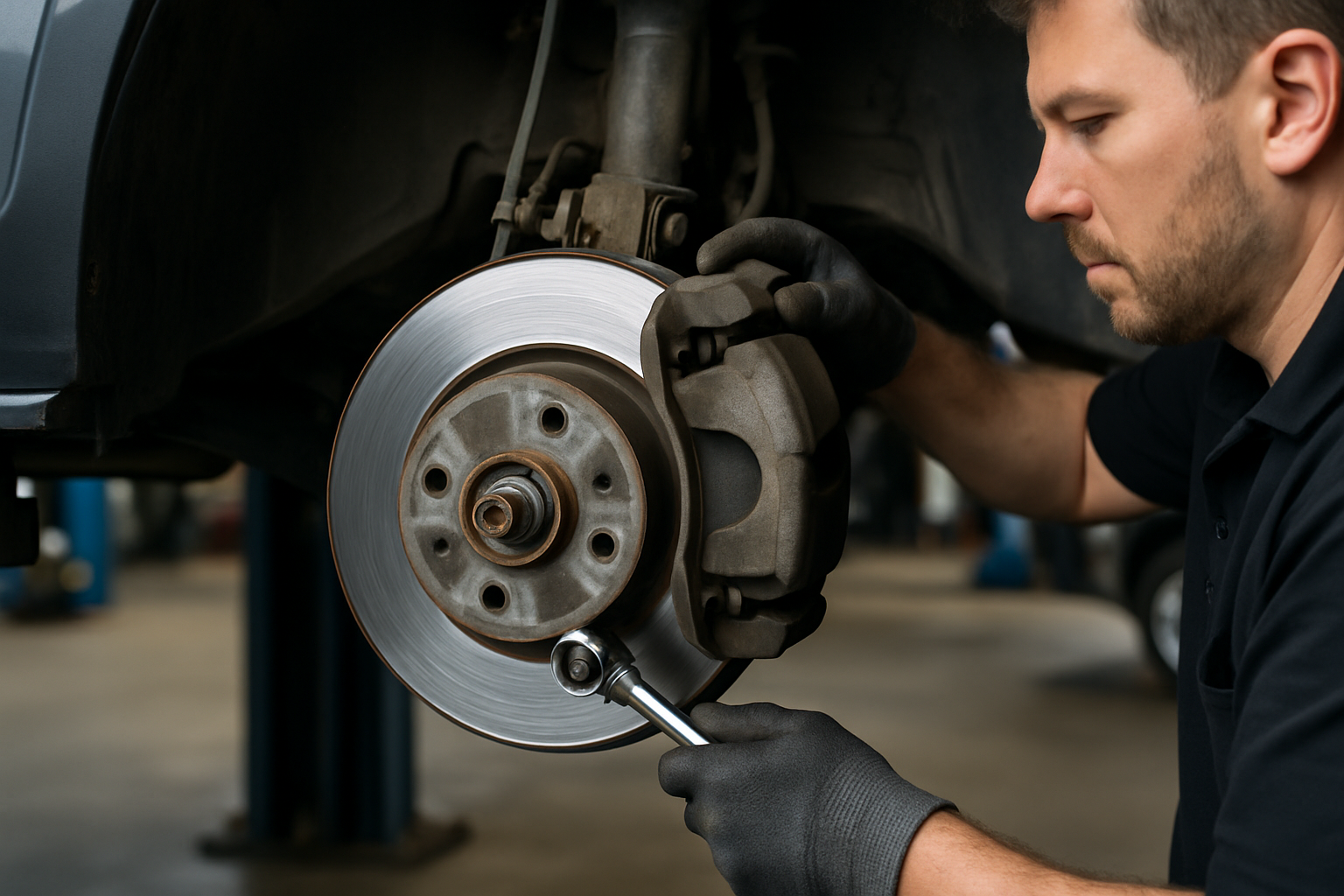
Here's a useful one. If the car only shakes when you press the brakes coming down off the highway, that's almost always warped rotors. The pedal might pulse a little too. CR-Vs that spend a lot of time on grades, coming down from Cull Canyon or off the hills, build up heat in the rotors, and that heat is what warps them over time.
If your car shakes whether you're braking or not, the rotors are off the hook.
Worn Suspension Parts
Older CR-Vs, especially ones past 100,000 miles, can get sloppy in the tie rods, ball joints, or control arm bushings. When those parts wear out, the wheels stop tracking the way they should, and you feel it as vibration or a kind of wandering feeling at speed. Usually, there's other stuff going on too. A clunk over bumps. Steering that feels a little vague.
CV Axles on AWD CR-Vs
Less common but worth a mention. A failing CV axle can cause vibration that gets worse when you accelerate. If the shake changes depending on whether you're on the gas or coasting, the driveline might be the culprit.
When to Stop Ignoring It
While a small wobble at 70 isn't an emergency, it should never be treated as nothing. Vibration usually means something is wearing or working loose, and those things don't fix themselves. If your CR-V is shaking on the freeway, come by Driven Auto Care in Castro Valley. Most of the time, the fix is easier than people expect.