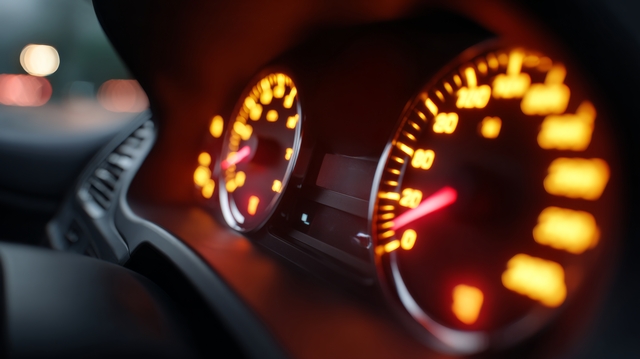
A Ford check engine light can show up during a normal commute and stay on with no other warning. Other times, it comes with rough idle, a stumble on acceleration, or a fuel smell after you park. The light means the computer stored a fault code. That code points to a system, not a guaranteed part. That is where people get stuck. They replace a sensor, clear the light, and then it returns a week later. We see that pattern all the time.
Why Ford Check Engine Lights Come On
Most Ford check engine lights tie back to fuel, air, ignition, or emissions controls. Some problems stay minor for a while. Others can damage other parts if you wait.
Common causes include:
- Loose gas cap or EVAP leaks that show up after refueling
- Worn spark plugs or weak coils that cause misfires
- Vacuum leaks or intake leaks that push the engine lean
- Oxygen sensor or air fuel sensor readings that drift over time
- MAF sensor issues are tied to dirt, oil residue, or intake leaks
- Catalytic converter efficiency faults, sometimes after long-term misfires
- Cooling system or thermostat issues that affect engine temperature data
The way the light behaves matters too. A flashing check engine light often points to an active misfire. That can damage the catalytic converter fast.
Common Ford Codes We See
Codes change by model and year, but these show up often in Ford vehicles.
- P0300 to P0308: Misfire, random or cylinder specific
- P0171 or P0174: Lean condition, often tied to air leaks or fuel delivery
- P0420 or P0430: Catalyst efficiency, can be converter wear or upstream issues
- P0456: Small EVAP leak, needs testing to find the leak point
- P0442 or P0455: EVAP leaks that require smoke testing to locate
How Soon You Should Get The Codes Checked
Check the codes the same day you notice the light, or within a day or two. The computer stores freeze frame data that shows what the engine was doing when the fault set, like coolant temp, speed, and engine load. That data helps with diagnosis. Waiting too long can overwrite useful information.
Do not clear the codes just to turn the light off. Clearing wipes helpful data and can reset smog readiness monitors.
Why A Professional Diagnosis Beats A Quick Code Pull
A basic scanner can show a code name. It cannot tell you why the code set. Ford codes can have multiple causes. A lean code might come from a torn intake boot, a vacuum leak, low fuel pressure, or a sensor issue. A misfire code might be plugs, coils, an injector, or compression loss. Replacing parts without testing can cost more than the repair itself.
At Driven Auto Care of Castro Valley, CA, we confirm the cause using scan data, freeze-frame review, live readings, and targeted tests. We smoke-test the intake and EVAP systems as needed. We check fuel trims, misfire counters, sensor switching, and wiring health. Then we recommend the repair that matches what the car is actually doing.
If your Ford check engine light is on, schedule a diagnostic visit with Driven Auto Care of Castro Valley, CA.