 It’s frustrating to pay for a repair, drive away, and see the same light again a week later. Some Nissan owners also notice the car feels the same as before. Others feel a small change, then the light returns during the next commute. A returning check engine light usually means one of two things. The original cause did not get fixed, or a related issue is still present and keeps triggering the same code family.
The Code Was Read, But The Cause Was Not Confirmed
A code points to a system. It does not guarantee the part. A common example is a lean code. The code can show up from an intake leak, a vacuum leak, low fuel pressure, or a sensor problem. If the repair replaced a sensor without checking fuel trims and air leaks, the light can come back fast.
The same applies to misfire codes. A misfire can be caused by spark plugs, a coil, an injector, or compression loss. Replacing one coil without checking plug wear and misfire counts can leave the real cause behind.
The Repair Fixed One Issue, But Another One Still Exists
Some problems travel in pairs. A car can have a small air leak and a weak coil. Fixing one may improve the drive's feel, but the computer still sees a fault and keeps the light on. Another common pairing is an EVAP leak and a purge valve issue. Fixing the cap can help, but a stuck purge valve can still set an EVAP code.
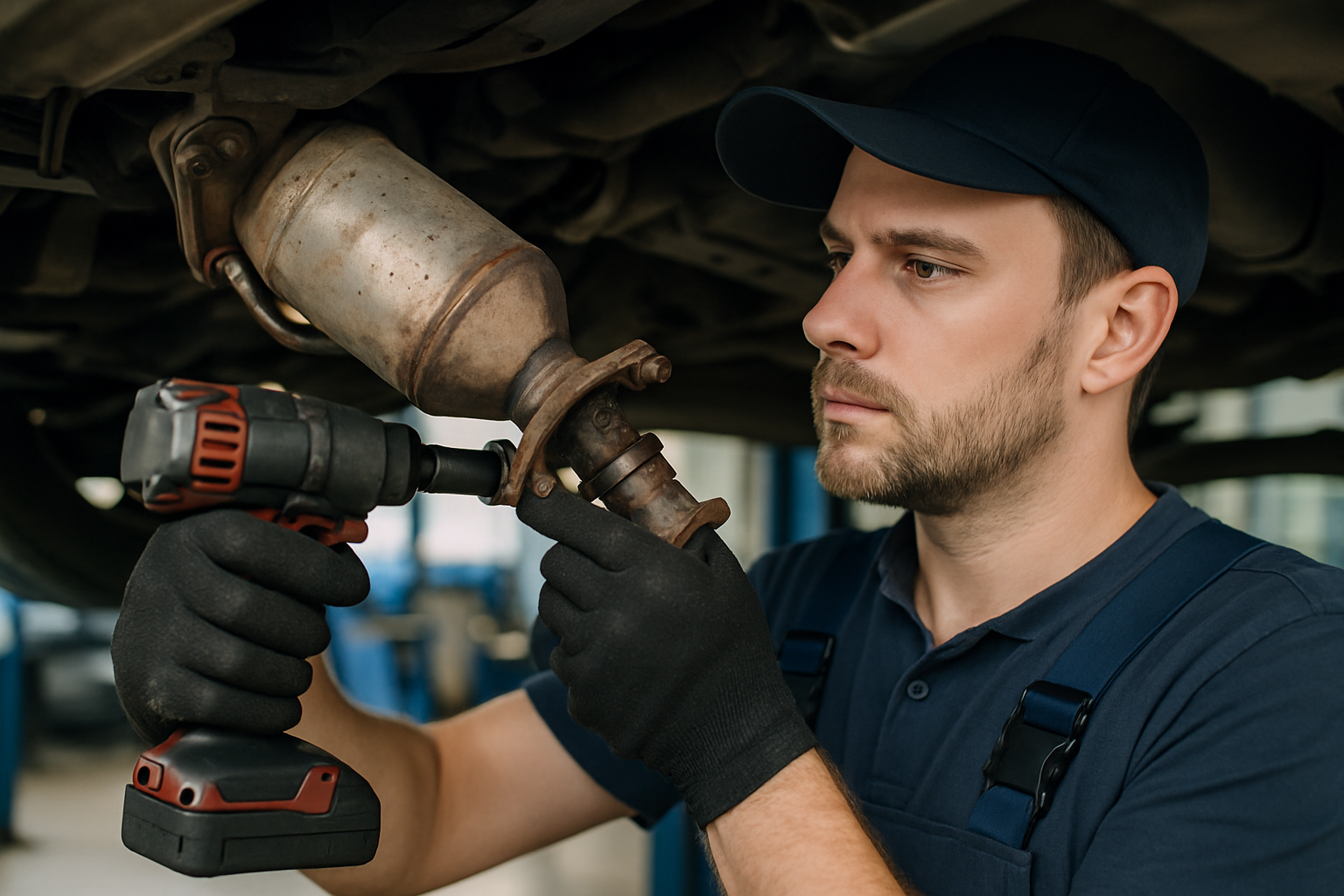
A catalytic converter code is another one. A converter code can show up after months of misfires or oil burning. Replacing the converter without fixing the upstream issue can bring the light back.
The Light Returned Because Monitors Ran Again
After the codes get cleared, the car needs time to run readiness monitors. Some faults only show after a cold start, a steady cruise, or a specific speed range. That is why a light can stay off for a few days, then return on the same stretch of freeway or the same morning routine.
This does not always mean the shop did nothing. It often means the fault needs a deeper look under the same driving conditions that trigger it.
The Part Quality Or Installation Was Not Right
Some replacement parts do not match factory behavior. Some sensors work, but read slightly off. The computer notices and sets a code again. Installation issues also happen. A small vacuum hose left loose, a connector not fully seated, or a gasket that pinched can lead to a fast comeback.
This is common on EVAP and intake system work. A tiny leak can bring the same code back, even after a new part is installed.
Get A Second Look Near Dublin
If your Nissan check engine light came back after a recent repair in Dublin, schedule a diagnostic with Driven Auto Care of Castro Valley, CA, nearby. We’ll pull the stored codes, review the freeze-frame data, confirm the root cause, and help you stop paying for the same issue twice.
It’s frustrating to pay for a repair, drive away, and see the same light again a week later. Some Nissan owners also notice the car feels the same as before. Others feel a small change, then the light returns during the next commute. A returning check engine light usually means one of two things. The original cause did not get fixed, or a related issue is still present and keeps triggering the same code family.
The Code Was Read, But The Cause Was Not Confirmed
A code points to a system. It does not guarantee the part. A common example is a lean code. The code can show up from an intake leak, a vacuum leak, low fuel pressure, or a sensor problem. If the repair replaced a sensor without checking fuel trims and air leaks, the light can come back fast.
The same applies to misfire codes. A misfire can be caused by spark plugs, a coil, an injector, or compression loss. Replacing one coil without checking plug wear and misfire counts can leave the real cause behind.
The Repair Fixed One Issue, But Another One Still Exists
Some problems travel in pairs. A car can have a small air leak and a weak coil. Fixing one may improve the drive's feel, but the computer still sees a fault and keeps the light on. Another common pairing is an EVAP leak and a purge valve issue. Fixing the cap can help, but a stuck purge valve can still set an EVAP code.
A catalytic converter code is another one. A converter code can show up after months of misfires or oil burning. Replacing the converter without fixing the upstream issue can bring the light back.
The Light Returned Because Monitors Ran Again
After the codes get cleared, the car needs time to run readiness monitors. Some faults only show after a cold start, a steady cruise, or a specific speed range. That is why a light can stay off for a few days, then return on the same stretch of freeway or the same morning routine.
This does not always mean the shop did nothing. It often means the fault needs a deeper look under the same driving conditions that trigger it.
The Part Quality Or Installation Was Not Right
Some replacement parts do not match factory behavior. Some sensors work, but read slightly off. The computer notices and sets a code again. Installation issues also happen. A small vacuum hose left loose, a connector not fully seated, or a gasket that pinched can lead to a fast comeback.
This is common on EVAP and intake system work. A tiny leak can bring the same code back, even after a new part is installed.
Get A Second Look Near Dublin
If your Nissan check engine light came back after a recent repair in Dublin, schedule a diagnostic with Driven Auto Care of Castro Valley, CA, nearby. We’ll pull the stored codes, review the freeze-frame data, confirm the root cause, and help you stop paying for the same issue twice.
Dublin, CA - Why Does Nissan Check Engine Light Return After Auto Repair Service
SYNOPSIS: This article covers why your Nissan check engine light can return after service is complete, the most common reasons we see, what to do before you replace more parts, and more.
Why A Nissan Check Engine Light Can Come Back
BY: Arun Coumar, Driven Auto Care of Castro Valley, CA
It’s frustrating to pay for a repair, drive away, and see the same light again a week later. Some Nissan owners also notice the car feels the same as before. Others feel a small change, then the light returns during the next commute. A returning check engine light usually means one of two things. The original cause did not get fixed, or a related issue is still present and keeps triggering the same code family.
The Code Was Read, But The Cause Was Not Confirmed
A code points to a system. It does not guarantee the part. A common example is a lean code. The code can show up from an intake leak, a vacuum leak, low fuel pressure, or a sensor problem. If the repair replaced a sensor without checking fuel trims and air leaks, the light can come back fast.
The same applies to misfire codes. A misfire can be caused by spark plugs, a coil, an injector, or compression loss. Replacing one coil without checking plug wear and misfire counts can leave the real cause behind.
The Repair Fixed One Issue, But Another One Still Exists
Some problems travel in pairs. A car can have a small air leak and a weak coil. Fixing one may improve the drive's feel, but the computer still sees a fault and keeps the light on. Another common pairing is an EVAP leak and a purge valve issue. Fixing the cap can help, but a stuck purge valve can still set an EVAP code.
A catalytic converter code is another one. A converter code can show up after months of misfires or oil burning. Replacing the converter without fixing the upstream issue can bring the light back.
The Light Returned Because Monitors Ran Again
After the codes get cleared, the car needs time to run readiness monitors. Some faults only show after a cold start, a steady cruise, or a specific speed range. That is why a light can stay off for a few days, then return on the same stretch of freeway or the same morning routine.
This does not always mean the shop did nothing. It often means the fault needs a deeper look under the same driving conditions that trigger it.
The Part Quality Or Installation Was Not Right
Some replacement parts do not match factory behavior. Some sensors work, but read slightly off. The computer notices and sets a code again. Installation issues also happen. A small vacuum hose left loose, a connector not fully seated, or a gasket that pinched can lead to a fast comeback.
This is common on EVAP and intake system work. A tiny leak can bring the same code back, even after a new part is installed.
Get A Second Look Near Dublin
If your Nissan check engine light came back after a recent repair in Dublin, schedule a diagnostic with Driven Auto Care of Castro Valley, CA, nearby. We’ll pull the stored codes, review the freeze-frame data, confirm the root cause, and help you stop paying for the same issue twice.