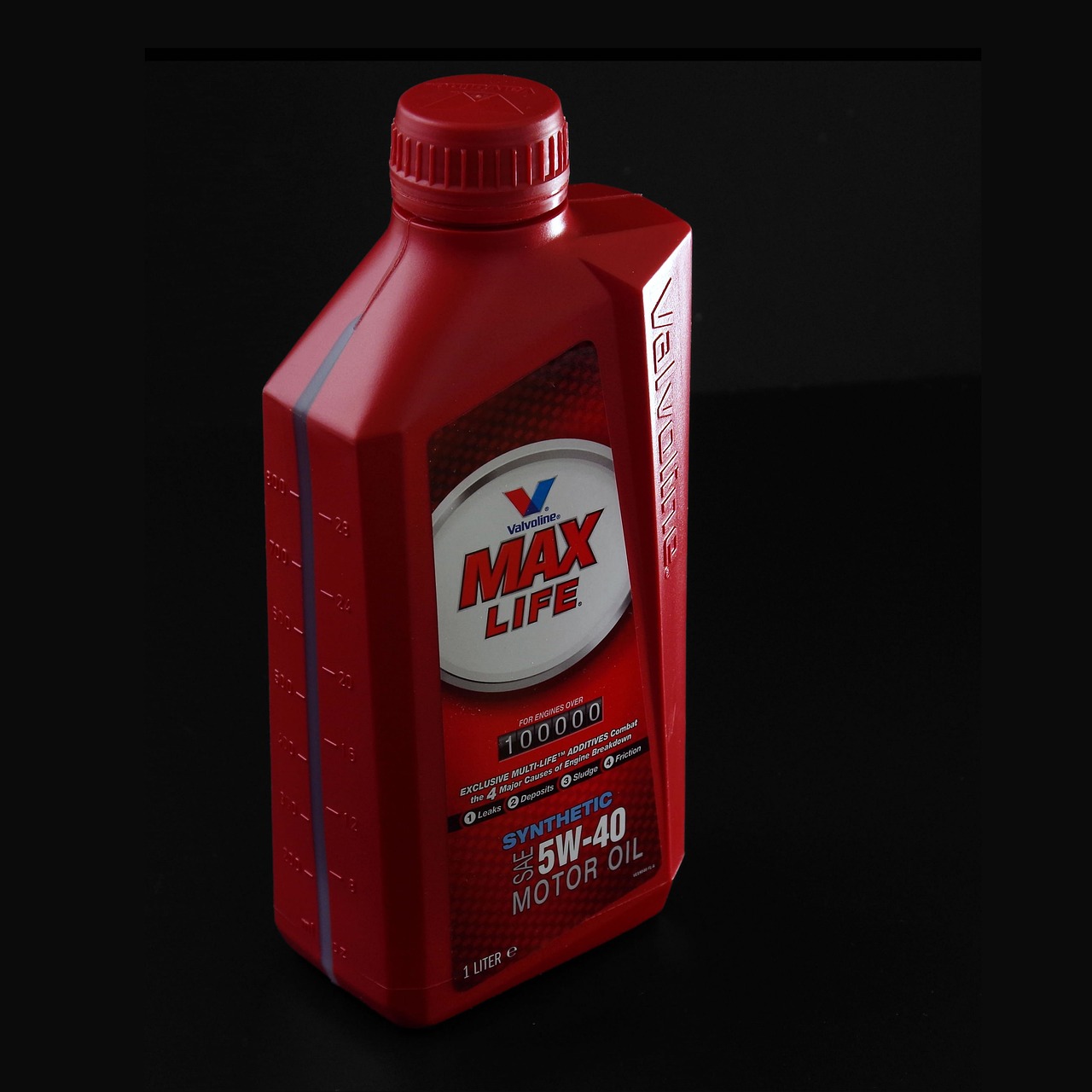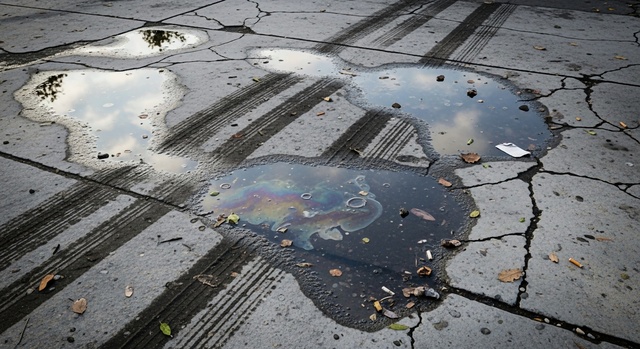
A Chevrolet oil leak can look harmless at first. One spot on the driveway. A faint burnt smell after you park. A little oil on the splash shield at your next oil change. The problem is that oil rarely stays in one place. It spreads, it collects dirt, and it can reach parts that do not handle oil well. Waiting often turns a simple gasket repair into a larger job.
Why Chevrolet Oil Leaks Start
Most leaks begin at a gasket or seal that has aged from heat cycles. Rubber and sealing surfaces flatten over time. Fasteners can also loosen slightly, and plastic housings can warp on some setups. Once oil starts seeping, it follows gravity and airflow, then ends up on covers and crossmembers. That is why the drip spot does not always match the leak source.
What Happens When You Ignore The Leak
Oil leaks tend to create a chain of issues, not one issue.
- Oil level drops over time, which can lead to low oil pressure and engine wear
- Oil coats rubber hoses and mounts, which shortens their life
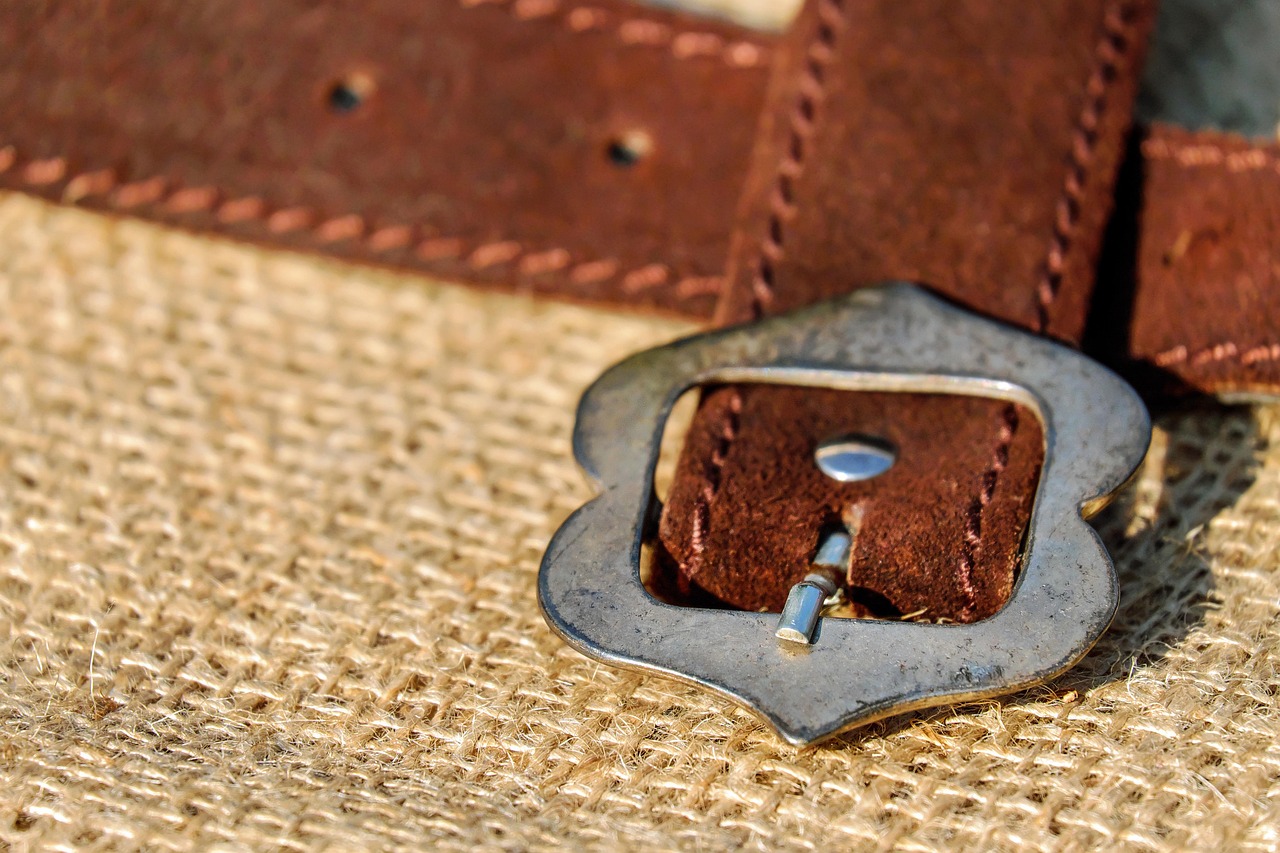
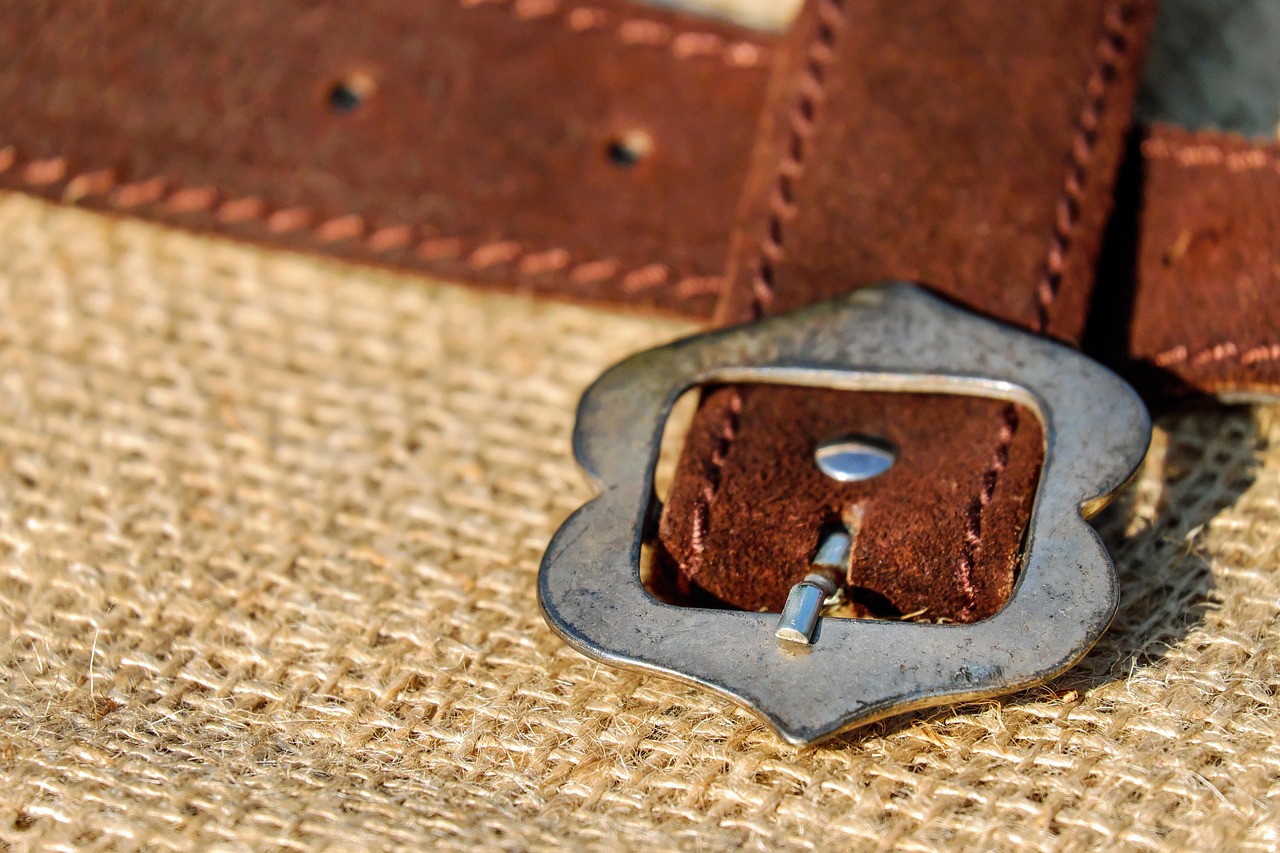
- Oil can soak the serpentine belt and cause slipping or belt failure
- Oil can smoke when it lands on hot exhaust parts and create a strong odor
- Oil can reach wiring connectors and sensors and trigger warning lights
- Dirt sticks to oil and makes future diagnosis harder
Signs The Leak Is Getting Worse
Some signs mean the leak has moved from “minor seep” to “needs attention now.”
- Oil spots show up more often, or the spots get larger
- The burning oil smell gets stronger after driving
- Smoke comes from the engine bay after shutdown
- Oil level drops between oil changes
- The belt squeal starts after the leak begins
- Wet areas show on the lower engine cover or underbody
How An Auto Repair Shop Finds The Real Source
A driveway spot is not enough to call the leak. Oil can travel and drip from a low point. A shop looks for the highest wet area, then follows the trail.
We start with an inspection from the top and underside. If the leak has spread, we may clean the area and recheck after a short drive. For slow leaks, UV dye can help confirm the exact path. We also check related issues that can worsen leaks, like crankcase ventilation problems that raise pressure.
What Repairs Usually Include
The fix depends on the source, but most repairs follow the same goal. Restore sealing, then verify the leak is gone.
Common repair steps include:
- Replace the leaking gasket or seal
- Clean oil off hot surfaces so the smoke and odor stop
- Replace oil-soaked belts when needed
- Inspect nearby hoses, wiring, and sensors for oil exposure
- Recheck after a road test to confirm no fresh seep
Schedule Chevrolet Oil Leak Service
If you suspect a Chevrolet oil leak in Hayward, get it checked before it spreads. A quick inspection can prevent belt damage, sensor problems, and long-term engine wear. Driven Auto Care of Castro Valley, CA can diagnose the leak source and handle the repair so you can stop worrying about the next spot on the driveway.