 Your tenants are tired of playing human GPS. Every day, another call from a lost client circling the parking lot, another delivery driver on hold asking which building, another frustrated visitor who just gave up and left. Your wayfinding signs exist, sure, but they're doing absolutely nothing to guide anyone anywhere, and everyone notices.
Four Signs That Work As One
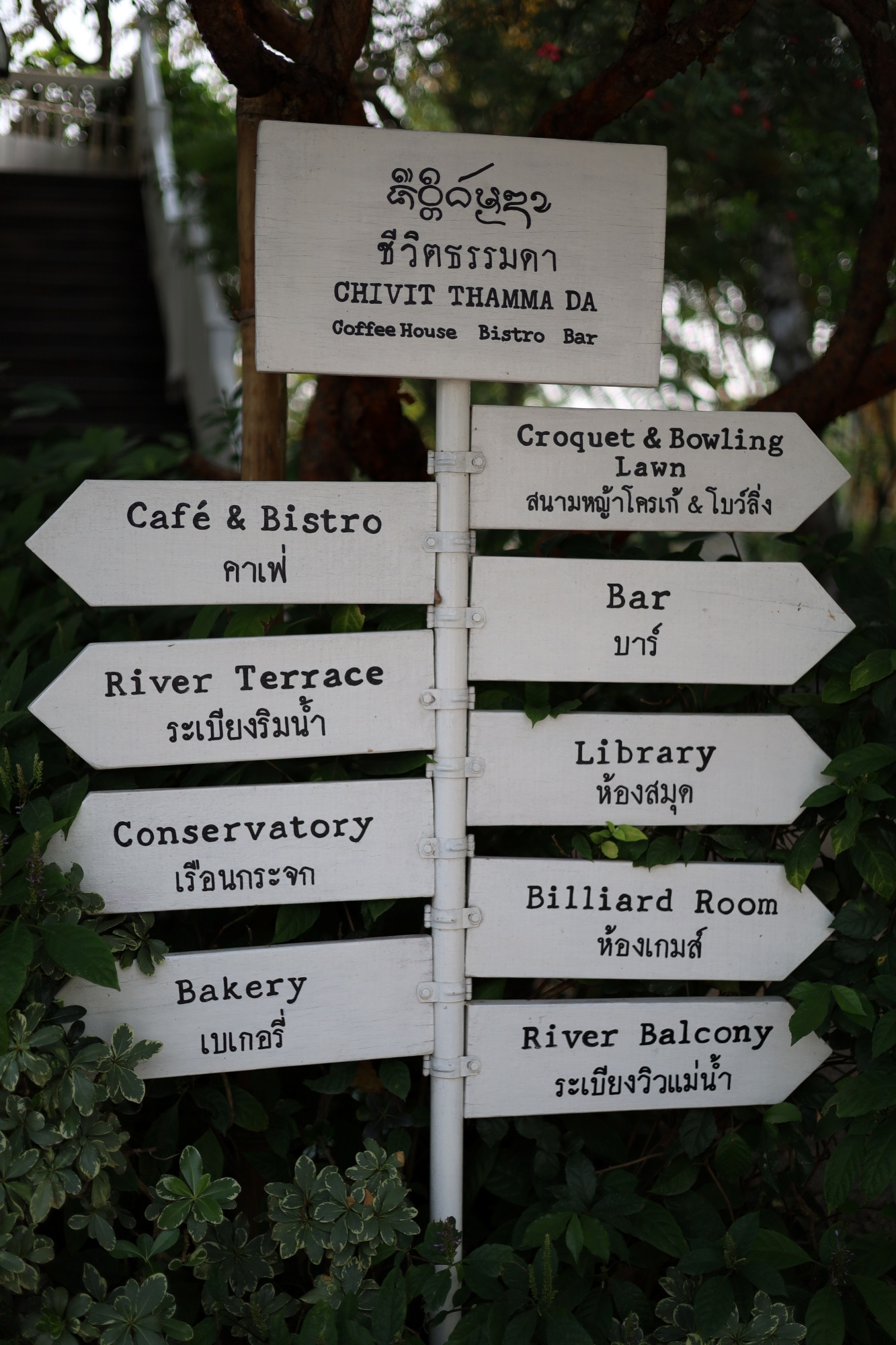
Wayfinding fails when you buy random directional signs and hope visitors connect the dots. Primary signs at entrances need property maps showing every building with arrows pointing to which way each section actually sits. Secondary signs at every turn need to repeat those building numbers with fresh arrows so drivers know they're still on track. Identification signs go on buildings themselves at sizes readable from 50 feet, so people can confirm their destination before parking incorrectly. Informational signs at entries list suites and parking, so visitors walk straight to the right door instead of wandering around looking lost.
Posts That Actually Stay Put
Posts buried 36 inches deep with concrete footings survive Texas wind; posts buried 18 inches fall over eventually, usually during storms when you're closed and can't fix them immediately. Wind pushes sign panels like sails, creating forces that rip shallow installations right out. Aluminum posts last in irrigation zones where sprinklers run; steel posts rust through at ground level within 5 years. Four-inch posts hold 3-foot panels; six-inch posts hold 5-foot panels without bending when the wind hits.
Materials That Last Years
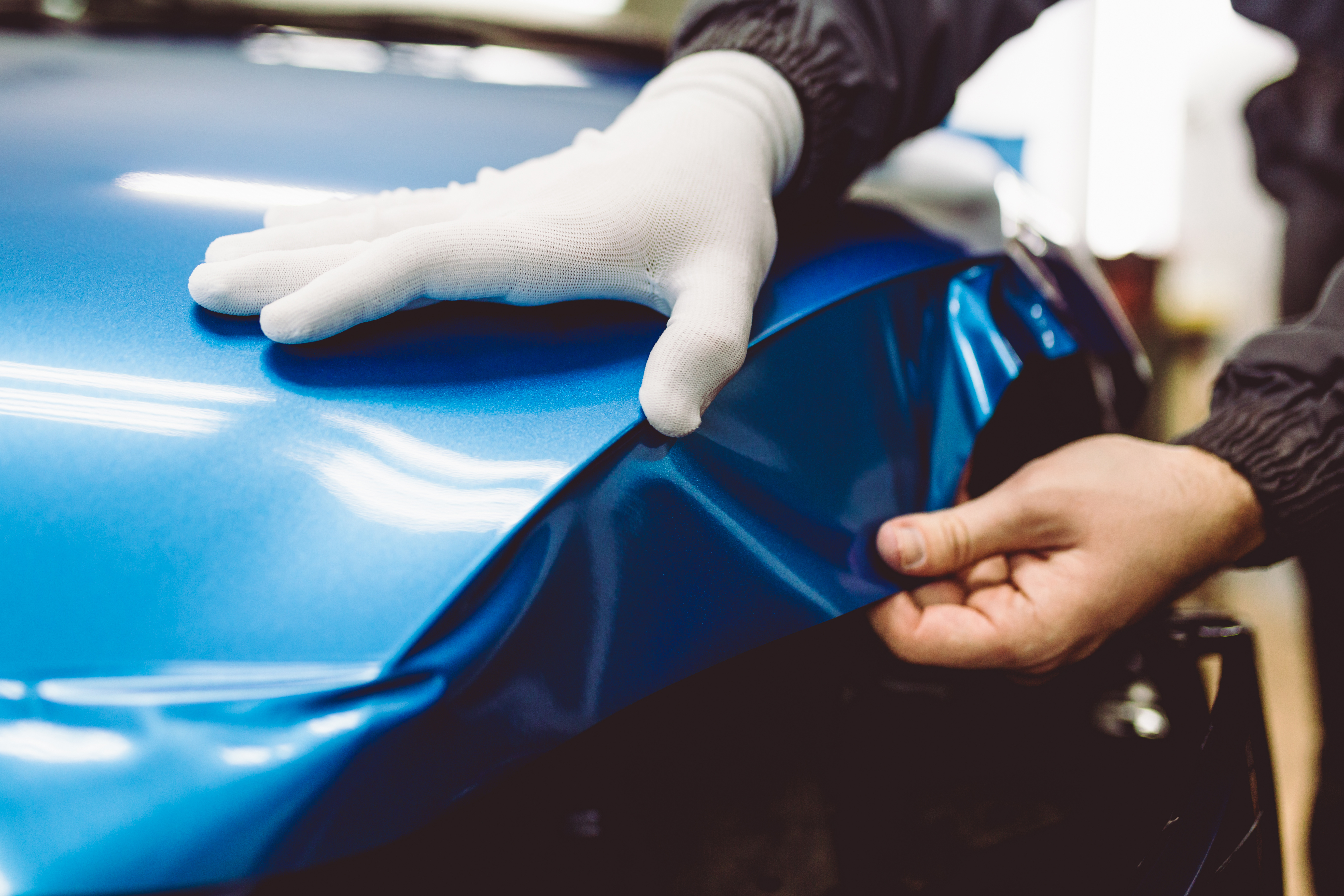
Aluminum composite between 0.080 and 0.125 inches thick stays flat through summer heat; thinner stuff warps into waves after one season. Reflective sheeting bounces headlights back at drivers after dark, which matters when half your tenants arrive before sunrise in winter. High-performance vinyl from 3M or Avery sticks for 7 years under the sun; cheap vinyl peels within 2 years, making your property look abandoned and poorly managed.
ADA Signs People Can Read
Federal law requires tactile signs at building entrances with raised letters, a minimum of 1/32 inch, and Grade 2 Braille below every line. Mount them 48 to 60 inches from the floor so wheelchair users can reach them without help. Text needs a 70 percent contrast minimum against the background, calculated by light values, for reliable reading under any lighting. These aren't optional; they're required, and violations create real liability.
Color That Cuts Confusion Fast
Assign colors to sections and watch navigation time drop. Buildings 100 through 199 get blue signs, buildings 200 through 299 get green, and buildings 300 through 399 get orange everywhere. Visitors see their color once and follow the matching arrows instead of reading every sign. The brain processes color faster than reading, especially under pressure when someone's already running late for a meeting.
Permits Need Three Weeks Minimum
Wylie requires permits, checking setback distances, and engineering before you install anything permanent. We submit drawings showing post depths, concrete specs, rebar placement, and locations mapped to property surveys. Timeline runs 3 to 4 weeks from application through approval and installation after concrete cures and everything mounts correctly.
Stop Playing Human GPS Today
Count how many times your tenants gave parking lot directions this week instead of doing actual work. SignSmiths of Texas, located in Wylie, designs wayfinding based on how people actually navigate when they're stressed and running late. Call (972) 464-2926 for systems that guide visitors from the entrance to the door without phone calls for rescue.
Your tenants are tired of playing human GPS. Every day, another call from a lost client circling the parking lot, another delivery driver on hold asking which building, another frustrated visitor who just gave up and left. Your wayfinding signs exist, sure, but they're doing absolutely nothing to guide anyone anywhere, and everyone notices.
Four Signs That Work As One
Wayfinding fails when you buy random directional signs and hope visitors connect the dots. Primary signs at entrances need property maps showing every building with arrows pointing to which way each section actually sits. Secondary signs at every turn need to repeat those building numbers with fresh arrows so drivers know they're still on track. Identification signs go on buildings themselves at sizes readable from 50 feet, so people can confirm their destination before parking incorrectly. Informational signs at entries list suites and parking, so visitors walk straight to the right door instead of wandering around looking lost.
Posts That Actually Stay Put
Posts buried 36 inches deep with concrete footings survive Texas wind; posts buried 18 inches fall over eventually, usually during storms when you're closed and can't fix them immediately. Wind pushes sign panels like sails, creating forces that rip shallow installations right out. Aluminum posts last in irrigation zones where sprinklers run; steel posts rust through at ground level within 5 years. Four-inch posts hold 3-foot panels; six-inch posts hold 5-foot panels without bending when the wind hits.
Materials That Last Years
Aluminum composite between 0.080 and 0.125 inches thick stays flat through summer heat; thinner stuff warps into waves after one season. Reflective sheeting bounces headlights back at drivers after dark, which matters when half your tenants arrive before sunrise in winter. High-performance vinyl from 3M or Avery sticks for 7 years under the sun; cheap vinyl peels within 2 years, making your property look abandoned and poorly managed.
ADA Signs People Can Read
Federal law requires tactile signs at building entrances with raised letters, a minimum of 1/32 inch, and Grade 2 Braille below every line. Mount them 48 to 60 inches from the floor so wheelchair users can reach them without help. Text needs a 70 percent contrast minimum against the background, calculated by light values, for reliable reading under any lighting. These aren't optional; they're required, and violations create real liability.
Color That Cuts Confusion Fast
Assign colors to sections and watch navigation time drop. Buildings 100 through 199 get blue signs, buildings 200 through 299 get green, and buildings 300 through 399 get orange everywhere. Visitors see their color once and follow the matching arrows instead of reading every sign. The brain processes color faster than reading, especially under pressure when someone's already running late for a meeting.
Permits Need Three Weeks Minimum
Wylie requires permits, checking setback distances, and engineering before you install anything permanent. We submit drawings showing post depths, concrete specs, rebar placement, and locations mapped to property surveys. Timeline runs 3 to 4 weeks from application through approval and installation after concrete cures and everything mounts correctly.
Stop Playing Human GPS Today
Count how many times your tenants gave parking lot directions this week instead of doing actual work. SignSmiths of Texas, located in Wylie, designs wayfinding based on how people actually navigate when they're stressed and running late. Call (972) 464-2926 for systems that guide visitors from the entrance to the door without phone calls for rescue.
Wylie, TX - Custom Wayfinding Signs for Office Parks from a Local Sign Company
SYNOPSIS: SignSmiths of Texas designs custom directional wayfinding systems that help Wylie office parks eliminate visitor confusion and reduce tenant complaints about navigation problems.
Wayfinding That Actually Gets Visitors There
BY: ,
Your tenants are tired of playing human GPS. Every day, another call from a lost client circling the parking lot, another delivery driver on hold asking which building, another frustrated visitor who just gave up and left. Your wayfinding signs exist, sure, but they're doing absolutely nothing to guide anyone anywhere, and everyone notices.
Four Signs That Work As One
Wayfinding fails when you buy random directional signs and hope visitors connect the dots. Primary signs at entrances need property maps showing every building with arrows pointing to which way each section actually sits. Secondary signs at every turn need to repeat those building numbers with fresh arrows so drivers know they're still on track. Identification signs go on buildings themselves at sizes readable from 50 feet, so people can confirm their destination before parking incorrectly. Informational signs at entries list suites and parking, so visitors walk straight to the right door instead of wandering around looking lost.
Posts That Actually Stay Put
Posts buried 36 inches deep with concrete footings survive Texas wind; posts buried 18 inches fall over eventually, usually during storms when you're closed and can't fix them immediately. Wind pushes sign panels like sails, creating forces that rip shallow installations right out. Aluminum posts last in irrigation zones where sprinklers run; steel posts rust through at ground level within 5 years. Four-inch posts hold 3-foot panels; six-inch posts hold 5-foot panels without bending when the wind hits.
Materials That Last Years
Aluminum composite between 0.080 and 0.125 inches thick stays flat through summer heat; thinner stuff warps into waves after one season. Reflective sheeting bounces headlights back at drivers after dark, which matters when half your tenants arrive before sunrise in winter. High-performance vinyl from 3M or Avery sticks for 7 years under the sun; cheap vinyl peels within 2 years, making your property look abandoned and poorly managed.
ADA Signs People Can Read
Federal law requires tactile signs at building entrances with raised letters, a minimum of 1/32 inch, and Grade 2 Braille below every line. Mount them 48 to 60 inches from the floor so wheelchair users can reach them without help. Text needs a 70 percent contrast minimum against the background, calculated by light values, for reliable reading under any lighting. These aren't optional; they're required, and violations create real liability.
Color That Cuts Confusion Fast
Assign colors to sections and watch navigation time drop. Buildings 100 through 199 get blue signs, buildings 200 through 299 get green, and buildings 300 through 399 get orange everywhere. Visitors see their color once and follow the matching arrows instead of reading every sign. The brain processes color faster than reading, especially under pressure when someone's already running late for a meeting.
Permits Need Three Weeks Minimum
Wylie requires permits, checking setback distances, and engineering before you install anything permanent. We submit drawings showing post depths, concrete specs, rebar placement, and locations mapped to property surveys. Timeline runs 3 to 4 weeks from application through approval and installation after concrete cures and everything mounts correctly.
Stop Playing Human GPS Today
Count how many times your tenants gave parking lot directions this week instead of doing actual work. SignSmiths of Texas, located in Wylie, designs wayfinding based on how people actually navigate when they're stressed and running late. Call (972) 464-2926 for systems that guide visitors from the entrance to the door without phone calls for rescue.