 We see various types of signs around us regularly, but most of us fail to observe how each sign is so intricately designed and serves a unique purpose. All signs may appear the same to a layman, but most signs are very different, and different work is put into designing them.
In fact, different types of signs are targeted to different groups of audiences. One such unique category of signage is ADA-compliant signs – that are designed for a specific population and significant for all public and commercial places and buildings. Don't know what ADA-compliant signs are? Don't worry; here's all you need to know about them.
What Are ADA-Compliant Signs?
Before understanding ADA-compliant signs, it's important to know what ADA is. ADA refers to the "American Disabilities Act," and so ADA-compliant signs are a type of signage that complies with this act.
These signs are a special type of facility signage introduced by the American Disabilities Act intending to provide better access to the disabled, visually impaired, and blind people.
According to the American Disabilities Act, particularly public and commercial buildings must provide ADA-compliant signage. And similarly, as per the ADA-Sign guidance, there are specific features that these signs must have.
Most people often confuse ADA signs with braille signs, while even though braille is an important aspect of ADA signs, there is more to them.
What Makes a Sign ADA-Compliant?
For a sign to gain ADA compliance, it must follow some rules, such as:
1. Non-Glare Finish
Non-glare means a surface with the reduced or eliminated glare of reflective and bright light. Older people or people with impaired vision cannot process reflection or glare, making it difficult for them to read reflective signs.
Hence, ADA-compliant signs are required to have a non-glare finish with a background and characters that do not cause a reflection. Therefore, these signs are mostly made matte.
2. Appropriate and Readable Font and Characters
Signs are made to be read and understood by the general public, but signs made specifically for the disabled public need to be much more visible and readable, or they will lose their purpose. ADA-compliant signs must have a large font to make them readable from a distance by people with weak eyesight.
Moreover, other than the size, the style of the font is also very important. It's best to keep the style simple and easy to understand. Therefore, ADA signs use sans serif fonts like Helvetica and Verdana. The font must not be italic, oblique, script, or fancy and highly decorative. The simpler, the better.
3. Corresponding Braille Text
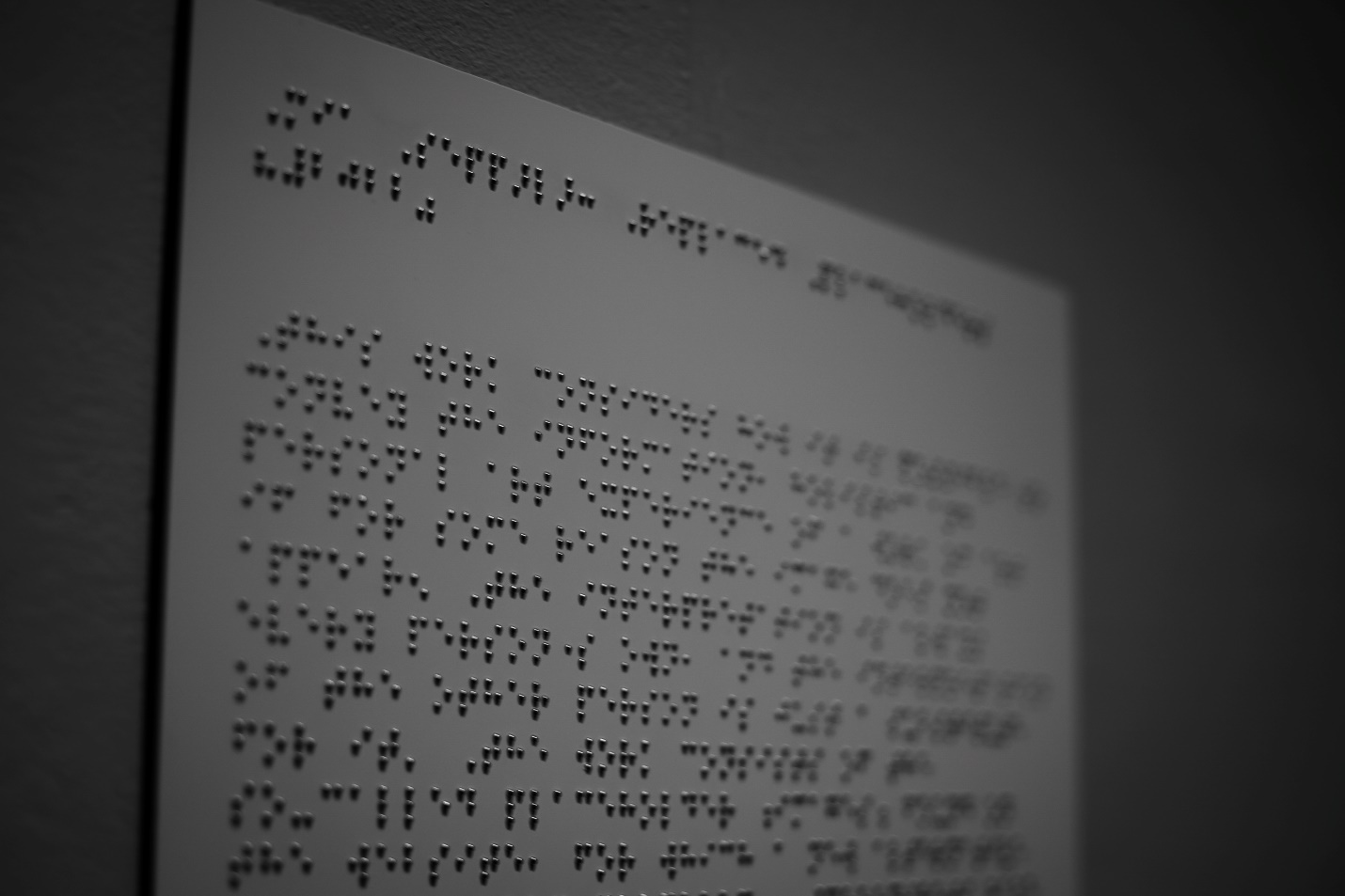
As we said earlier, braille signs are often used synonymously with ADA-compliant signs, even though the two are not the same. However, braille is an important element of ADA signs. The American Disabilities Act requires ADA-compliant signs to have both braille characters and written text on an ADA sign. This is an important clause because it makes the signs readable by blind people as well, making it all the more inclusive of the disabled population.
Get Custom ADA-Compliant Signs
Designing and making ADA-compliant signs is not a job every sign company can do for you. You need experts in the field who have experience in this particular type of signage to ensure quality and effectiveness. Hence, if you're looking for a Custom ADA sign service, you can contact Seattle Signs here!
We see various types of signs around us regularly, but most of us fail to observe how each sign is so intricately designed and serves a unique purpose. All signs may appear the same to a layman, but most signs are very different, and different work is put into designing them.
In fact, different types of signs are targeted to different groups of audiences. One such unique category of signage is ADA-compliant signs – that are designed for a specific population and significant for all public and commercial places and buildings. Don't know what ADA-compliant signs are? Don't worry; here's all you need to know about them.
What Are ADA-Compliant Signs?
Before understanding ADA-compliant signs, it's important to know what ADA is. ADA refers to the "American Disabilities Act," and so ADA-compliant signs are a type of signage that complies with this act.
These signs are a special type of facility signage introduced by the American Disabilities Act intending to provide better access to the disabled, visually impaired, and blind people.
According to the American Disabilities Act, particularly public and commercial buildings must provide ADA-compliant signage. And similarly, as per the ADA-Sign guidance, there are specific features that these signs must have.
Most people often confuse ADA signs with braille signs, while even though braille is an important aspect of ADA signs, there is more to them.
What Makes a Sign ADA-Compliant?
For a sign to gain ADA compliance, it must follow some rules, such as:
1. Non-Glare Finish
Non-glare means a surface with the reduced or eliminated glare of reflective and bright light. Older people or people with impaired vision cannot process reflection or glare, making it difficult for them to read reflective signs.
Hence, ADA-compliant signs are required to have a non-glare finish with a background and characters that do not cause a reflection. Therefore, these signs are mostly made matte.
2. Appropriate and Readable Font and Characters
Signs are made to be read and understood by the general public, but signs made specifically for the disabled public need to be much more visible and readable, or they will lose their purpose. ADA-compliant signs must have a large font to make them readable from a distance by people with weak eyesight.
Moreover, other than the size, the style of the font is also very important. It's best to keep the style simple and easy to understand. Therefore, ADA signs use sans serif fonts like Helvetica and Verdana. The font must not be italic, oblique, script, or fancy and highly decorative. The simpler, the better.
3. Corresponding Braille Text
As we said earlier, braille signs are often used synonymously with ADA-compliant signs, even though the two are not the same. However, braille is an important element of ADA signs. The American Disabilities Act requires ADA-compliant signs to have both braille characters and written text on an ADA sign. This is an important clause because it makes the signs readable by blind people as well, making it all the more inclusive of the disabled population.
Get Custom ADA-Compliant Signs
Designing and making ADA-compliant signs is not a job every sign company can do for you. You need experts in the field who have experience in this particular type of signage to ensure quality and effectiveness. Hence, if you're looking for a Custom ADA sign service, you can contact Seattle Signs here!
Woodinville, WA - Shop Custom ADA-Compliant Sign Products at Our Sign Company
SYNOPSIS: Designing and making ADA-compliant signs is not a job every sign company can do for you. You need experts in the field who have experience in this particular type of signage to ensure quality
ADA-Compliant Sign Products at Our Sign Company
BY: ,
Custom ADA-Compliant Sign Products
Seattle Sign Shop!
We see various types of signs around us regularly, but most of us fail to observe how each sign is so intricately designed and serves a unique purpose. All signs may appear the same to a layman, but most signs are very different, and different work is put into designing them.
In fact, different types of signs are targeted to different groups of audiences. One such unique category of signage is ADA-compliant signs – that are designed for a specific population and significant for all public and commercial places and buildings. Don't know what ADA-compliant signs are? Don't worry; here's all you need to know about them.
What Are ADA-Compliant Signs?
Before understanding ADA-compliant signs, it's important to know what ADA is. ADA refers to the "American Disabilities Act," and so ADA-compliant signs are a type of signage that complies with this act.
These signs are a special type of facility signage introduced by the American Disabilities Act intending to provide better access to the disabled, visually impaired, and blind people.
According to the American Disabilities Act, particularly public and commercial buildings must provide ADA-compliant signage. And similarly, as per the ADA-Sign guidance, there are specific features that these signs must have.
Most people often confuse ADA signs with braille signs, while even though braille is an important aspect of ADA signs, there is more to them.
What Makes a Sign ADA-Compliant?
For a sign to gain ADA compliance, it must follow some rules, such as:
1. Non-Glare Finish
Non-glare means a surface with the reduced or eliminated glare of reflective and bright light. Older people or people with impaired vision cannot process reflection or glare, making it difficult for them to read reflective signs.
Hence, ADA-compliant signs are required to have a non-glare finish with a background and characters that do not cause a reflection. Therefore, these signs are mostly made matte.
2. Appropriate and Readable Font and Characters
Signs are made to be read and understood by the general public, but signs made specifically for the disabled public need to be much more visible and readable, or they will lose their purpose. ADA-compliant signs must have a large font to make them readable from a distance by people with weak eyesight.
Moreover, other than the size, the style of the font is also very important. It's best to keep the style simple and easy to understand. Therefore, ADA signs use sans serif fonts like Helvetica and Verdana. The font must not be italic, oblique, script, or fancy and highly decorative. The simpler, the better.
3. Corresponding Braille Text
As we said earlier, braille signs are often used synonymously with ADA-compliant signs, even though the two are not the same. However, braille is an important element of ADA signs. The American Disabilities Act requires ADA-compliant signs to have both braille characters and written text on an ADA sign. This is an important clause because it makes the signs readable by blind people as well, making it all the more inclusive of the disabled population.
Get Custom ADA-Compliant Signs
Designing and making ADA-compliant signs is not a job every sign company can do for you. You need experts in the field who have experience in this particular type of signage to ensure quality and effectiveness. Hence, if you're looking for a Custom ADA sign service, you can contact Seattle Signs here!
We see various types of signs around us regularly, but most of us fail to observe how each sign is so intricately designed and serves a unique purpose. All signs may appear the same to a layman, but most signs are very different, and different work is put into designing them.
In fact, different types of signs are targeted to different groups of audiences. One such unique category of signage is ADA-compliant signs – that are designed for a specific population and significant for all public and commercial places and buildings. Don't know what ADA-compliant signs are? Don't worry; here's all you need to know about them.
What Are ADA-Compliant Signs?
Before understanding ADA-compliant signs, it's important to know what ADA is. ADA refers to the "American Disabilities Act," and so ADA-compliant signs are a type of signage that complies with this act.
These signs are a special type of facility signage introduced by the American Disabilities Act intending to provide better access to the disabled, visually impaired, and blind people.
According to the American Disabilities Act, particularly public and commercial buildings must provide ADA-compliant signage. And similarly, as per the ADA-Sign guidance, there are specific features that these signs must have.
Most people often confuse ADA signs with braille signs, while even though braille is an important aspect of ADA signs, there is more to them.
What Makes a Sign ADA-Compliant?
For a sign to gain ADA compliance, it must follow some rules, such as:
1. Non-Glare Finish
Non-glare means a surface with the reduced or eliminated glare of reflective and bright light. Older people or people with impaired vision cannot process reflection or glare, making it difficult for them to read reflective signs.
Hence, ADA-compliant signs are required to have a non-glare finish with a background and characters that do not cause a reflection. Therefore, these signs are mostly made matte.
2. Appropriate and Readable Font and Characters
Signs are made to be read and understood by the general public, but signs made specifically for the disabled public need to be much more visible and readable, or they will lose their purpose. ADA-compliant signs must have a large font to make them readable from a distance by people with weak eyesight.
Moreover, other than the size, the style of the font is also very important. It's best to keep the style simple and easy to understand. Therefore, ADA signs use sans serif fonts like Helvetica and Verdana. The font must not be italic, oblique, script, or fancy and highly decorative. The simpler, the better.
3. Corresponding Braille Text
As we said earlier, braille signs are often used synonymously with ADA-compliant signs, even though the two are not the same. However, braille is an important element of ADA signs. The American Disabilities Act requires ADA-compliant signs to have both braille characters and written text on an ADA sign. This is an important clause because it makes the signs readable by blind people as well, making it all the more inclusive of the disabled population.
Get Custom ADA-Compliant Signs
Designing and making ADA-compliant signs is not a job every sign company can do for you. You need experts in the field who have experience in this particular type of signage to ensure quality and effectiveness. Hence, if you're looking for a Custom ADA sign service, you can contact Seattle Signs here!