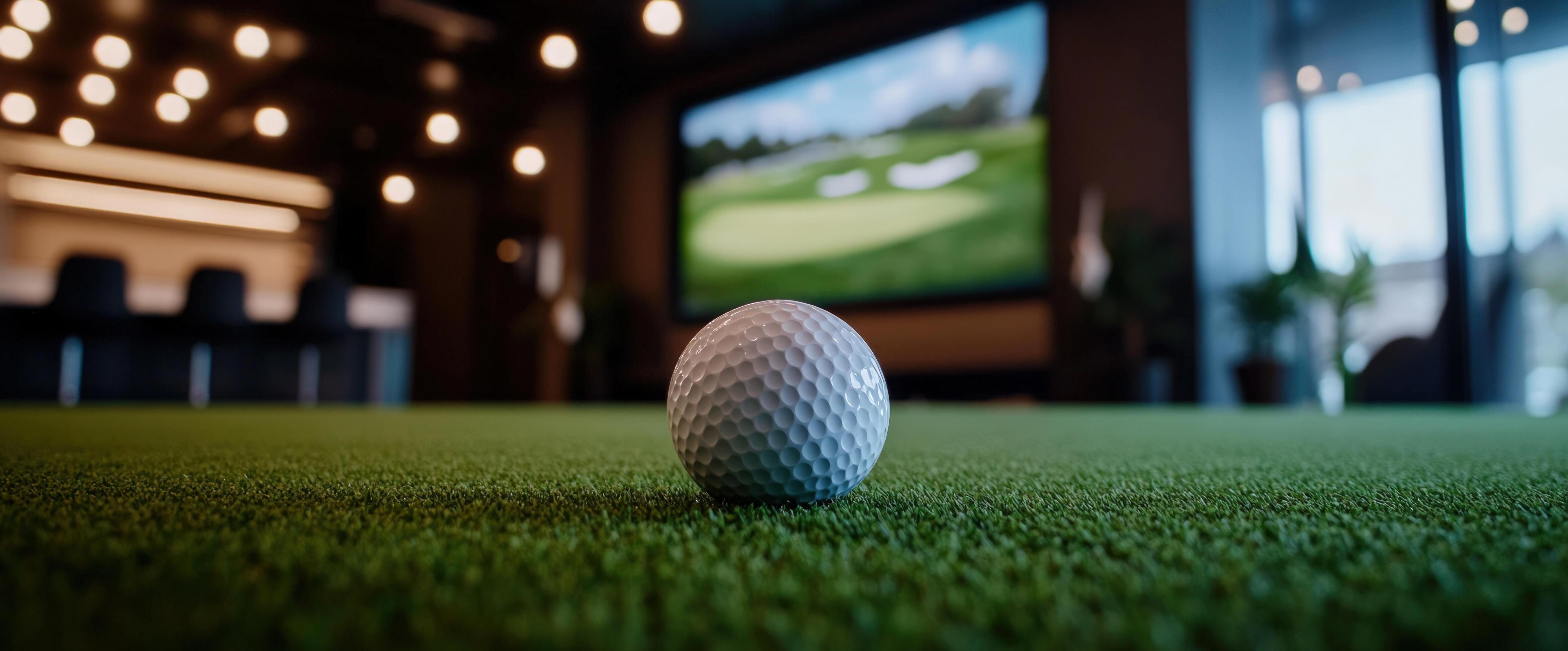
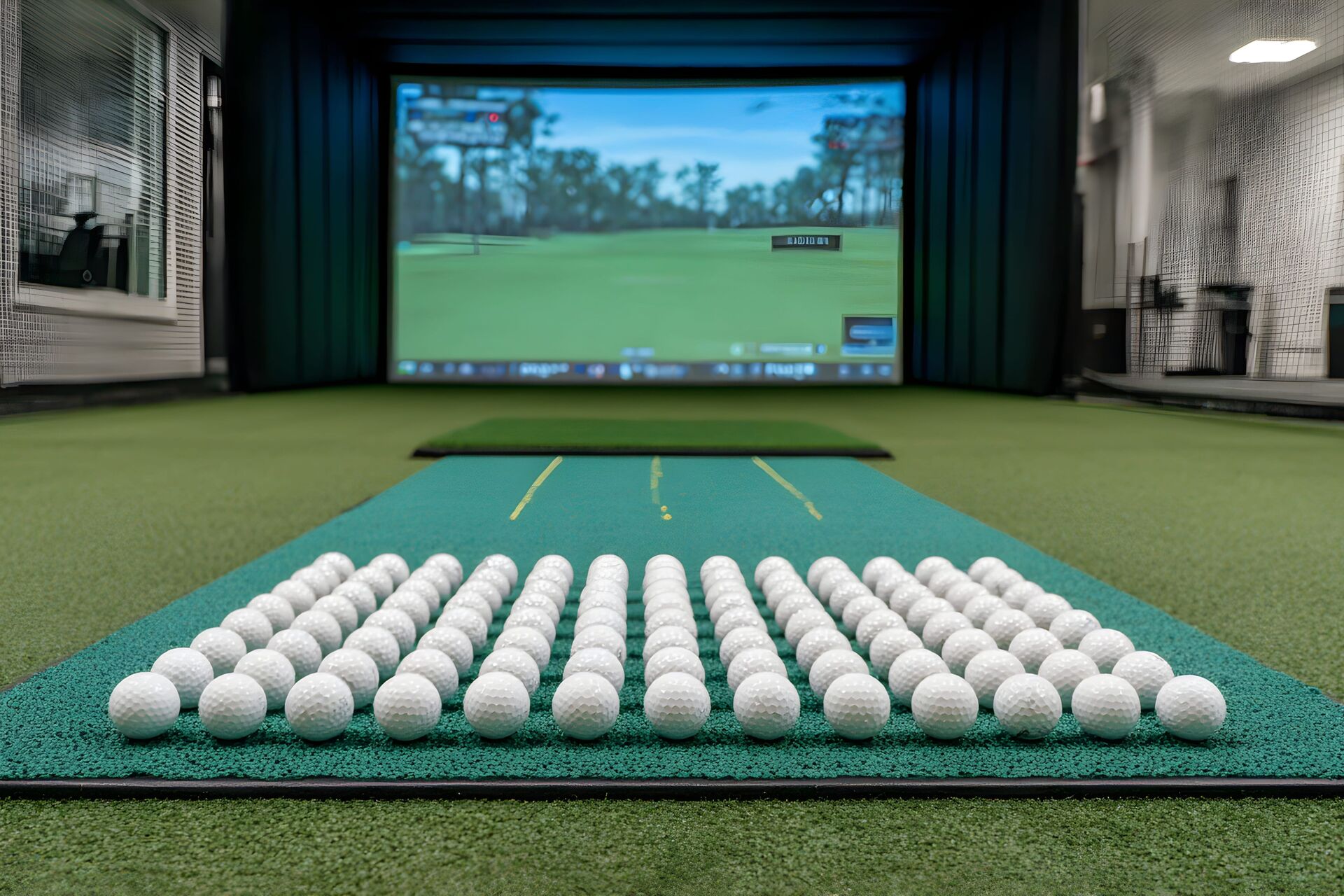
 Effective golf practice is about quality, not just quantity. Simply hitting balls without clear feedback often leads to stalled progress and frustration. A modern golf simulator facility addresses this problem by providing golfers with accurate data, repeatable conditions, and an environment built specifically for focused improvement rather than casual guesswork.
In Washington, PA, simulator-based golf facilities have become an essential resource for players who want structured practice. Indoor simulators remove external variables such as wind, uneven lies, and weather-related disruptions, allowing golfers to focusentirely on mechanics, consistency, and outcomes. This stability creates a stronger foundation for skill development.
Technology That Supports Real Improvement
Modern golf simulators rely on high-speed cameras and advanced sensors to capture precise swing and ball data. Metrics such as ball speed, launch angle, spin rate, club path, and shot dispersion are recorded instantly. This information gives golfers clear insight into what each swing produces and why.
Instead of relying solely on feel, players can see patterns over time and make targeted adjustments. Small changes in setup or swing mechanics become easier to evaluate when supported by accurate feedback. This approach turns practice sessions into problem-solving opportunities rather than repetitive routines.
Practice in a Controlled, Productive Setting
An indoor simulator facility offers a calm, focused environment that encourages efficient training. Golfers can slow down their sessions to analyze mechanics or speed them up to simulate on-course pressure. Without crowds or time limits imposed by outdoor courses, practice becomes intentional rather than rushed.
This control is especially beneficial for players working on specific aspects of their game. Whether refining iron distances, improving consistency off the tee, or dialing in wedge control, simulators allow golfers to repeat shots under identical conditions. Repetition with consistency is one of the most effective ways to build lasting improvement.
Applying Practice to Realistic Play
While focused training is essential, modern simulators also allow golfers to apply improvements in realistic scenarios. Virtual course play recreates real layouts with accurate elevation changes, hazards, and green contours. This transition from range-style practice to full-course play helps bridge the gap between training and real-world performance.
Golfers can test adjustments under simulated pressure, learning how changes hold up across different holes and situations. This blend of practice and play reinforces learning and builds confidence that carries over to outdoor courses.
Designed for Consistency Year-Round
One of the key advantages of a modern golf sim facility is year-round accessibility. Indoor practice ensures that progress doesn’t pause during colder months or unfavorable weather. Golfers can maintain routines, track long-term improvements, and stay engaged with the game year-round.
Facilities like 9Yards Golf are structured to support consistent training schedules. Flexible booking options allow players to integrate practice into their weekly routines, making improvement more achievable and sustainable.
A Smarter Way to Practice
A modern golf simulator facility represents a shift toward purposeful, data-driven training. Instead of guessing or relying on occasional range sessions, golfers gain access to tools that clarify progress and guide decision-making. Practice becomes more efficient, more engaging, and more rewarding.
For golfers in Washington, PA, who want focused results rather than casual swings, a modern golf sim facility offers a practical and effective solution. By combining advanced technology, controlled conditions, and realistic play, it creates an environment where meaningful improvement is not just possible, but measurable.
Effective golf practice is about quality, not just quantity. Simply hitting balls without clear feedback often leads to stalled progress and frustration. A modern golf simulator facility addresses this problem by providing golfers with accurate data, repeatable conditions, and an environment built specifically for focused improvement rather than casual guesswork.
In Washington, PA, simulator-based golf facilities have become an essential resource for players who want structured practice. Indoor simulators remove external variables such as wind, uneven lies, and weather-related disruptions, allowing golfers to focusentirely on mechanics, consistency, and outcomes. This stability creates a stronger foundation for skill development.
Technology That Supports Real Improvement
Modern golf simulators rely on high-speed cameras and advanced sensors to capture precise swing and ball data. Metrics such as ball speed, launch angle, spin rate, club path, and shot dispersion are recorded instantly. This information gives golfers clear insight into what each swing produces and why.
Instead of relying solely on feel, players can see patterns over time and make targeted adjustments. Small changes in setup or swing mechanics become easier to evaluate when supported by accurate feedback. This approach turns practice sessions into problem-solving opportunities rather than repetitive routines.
Practice in a Controlled, Productive Setting
An indoor simulator facility offers a calm, focused environment that encourages efficient training. Golfers can slow down their sessions to analyze mechanics or speed them up to simulate on-course pressure. Without crowds or time limits imposed by outdoor courses, practice becomes intentional rather than rushed.
This control is especially beneficial for players working on specific aspects of their game. Whether refining iron distances, improving consistency off the tee, or dialing in wedge control, simulators allow golfers to repeat shots under identical conditions. Repetition with consistency is one of the most effective ways to build lasting improvement.
Applying Practice to Realistic Play
While focused training is essential, modern simulators also allow golfers to apply improvements in realistic scenarios. Virtual course play recreates real layouts with accurate elevation changes, hazards, and green contours. This transition from range-style practice to full-course play helps bridge the gap between training and real-world performance.
Golfers can test adjustments under simulated pressure, learning how changes hold up across different holes and situations. This blend of practice and play reinforces learning and builds confidence that carries over to outdoor courses.
Designed for Consistency Year-Round
One of the key advantages of a modern golf sim facility is year-round accessibility. Indoor practice ensures that progress doesn’t pause during colder months or unfavorable weather. Golfers can maintain routines, track long-term improvements, and stay engaged with the game year-round.
Facilities like 9Yards Golf are structured to support consistent training schedules. Flexible booking options allow players to integrate practice into their weekly routines, making improvement more achievable and sustainable.
A Smarter Way to Practice
A modern golf simulator facility represents a shift toward purposeful, data-driven training. Instead of guessing or relying on occasional range sessions, golfers gain access to tools that clarify progress and guide decision-making. Practice becomes more efficient, more engaging, and more rewarding.
For golfers in Washington, PA, who want focused results rather than casual swings, a modern golf sim facility offers a practical and effective solution. By combining advanced technology, controlled conditions, and realistic play, it creates an environment where meaningful improvement is not just possible, but measurable.
Washington, PA – A Modern Golf Sim Facility Built for Focused Practice Results
SYNOPSIS: A modern golf simulator in Washington, PA helps golfers train guests year-round with advanced technology, controlled conditions, flexible sessions, and measurable results.
Where Purposeful Training Meets Reliable Technology
BY: Joel Warshaw, 9Yards Golf of Washington, PA
Effective golf practice is about quality, not just quantity. Simply hitting balls without clear feedback often leads to stalled progress and frustration. A modern golf simulator facility addresses this problem by providing golfers with accurate data, repeatable conditions, and an environment built specifically for focused improvement rather than casual guesswork.
In Washington, PA, simulator-based golf facilities have become an essential resource for players who want structured practice. Indoor simulators remove external variables such as wind, uneven lies, and weather-related disruptions, allowing golfers to focusentirely on mechanics, consistency, and outcomes. This stability creates a stronger foundation for skill development.
Technology That Supports Real Improvement
Modern golf simulators rely on high-speed cameras and advanced sensors to capture precise swing and ball data. Metrics such as ball speed, launch angle, spin rate, club path, and shot dispersion are recorded instantly. This information gives golfers clear insight into what each swing produces and why.
Instead of relying solely on feel, players can see patterns over time and make targeted adjustments. Small changes in setup or swing mechanics become easier to evaluate when supported by accurate feedback. This approach turns practice sessions into problem-solving opportunities rather than repetitive routines.
Practice in a Controlled, Productive Setting
An indoor simulator facility offers a calm, focused environment that encourages efficient training. Golfers can slow down their sessions to analyze mechanics or speed them up to simulate on-course pressure. Without crowds or time limits imposed by outdoor courses, practice becomes intentional rather than rushed.
This control is especially beneficial for players working on specific aspects of their game. Whether refining iron distances, improving consistency off the tee, or dialing in wedge control, simulators allow golfers to repeat shots under identical conditions. Repetition with consistency is one of the most effective ways to build lasting improvement.
Applying Practice to Realistic Play
While focused training is essential, modern simulators also allow golfers to apply improvements in realistic scenarios. Virtual course play recreates real layouts with accurate elevation changes, hazards, and green contours. This transition from range-style practice to full-course play helps bridge the gap between training and real-world performance.
Golfers can test adjustments under simulated pressure, learning how changes hold up across different holes and situations. This blend of practice and play reinforces learning and builds confidence that carries over to outdoor courses.
Designed for Consistency Year-Round
One of the key advantages of a modern golf sim facility is year-round accessibility. Indoor practice ensures that progress doesn’t pause during colder months or unfavorable weather. Golfers can maintain routines, track long-term improvements, and stay engaged with the game year-round.
Facilities like 9Yards Golf are structured to support consistent training schedules. Flexible booking options allow players to integrate practice into their weekly routines, making improvement more achievable and sustainable.
A Smarter Way to Practice
A modern golf simulator facility represents a shift toward purposeful, data-driven training. Instead of guessing or relying on occasional range sessions, golfers gain access to tools that clarify progress and guide decision-making. Practice becomes more efficient, more engaging, and more rewarding.
For golfers in Washington, PA, who want focused results rather than casual swings, a modern golf sim facility offers a practical and effective solution. By combining advanced technology, controlled conditions, and realistic play, it creates an environment where meaningful improvement is not just possible, but measurable.