 What Are Interpretive Signs?
Interpretive signs are designed for something beyond way-finding. Interpretive signs are intended to communicate a story. Those signs provide time and space for individuals to stop, look, and absorb something new about the environment in which they find themselves. Whether it’s a town landmark, a garden trail, or an old building, interpretive signs enhance the experience.
They are meant for those who are already in the space, walking around, looking at, and exploring. The intention is not to manage traffic but to enhance the experience of the visit. Consider them as thoughtfully crafted, information-heavy panels converting an everyday route into an experiential memory.
 Where You’ll See Interpretive Signs
These signs work best in places where visitors are encouraged to slow down. You’ll often find them at:
- Public parks and nature reserves
- Zoos and aquariums
- Historic landmarks and buildings
- Botanical gardens
- Scenic walkways or waterfronts

In each of these spaces, the sign is part of the experience. It might describe the plant life in a garden bed, highlight native wildlife, or share the story behind a sculpture or monument.
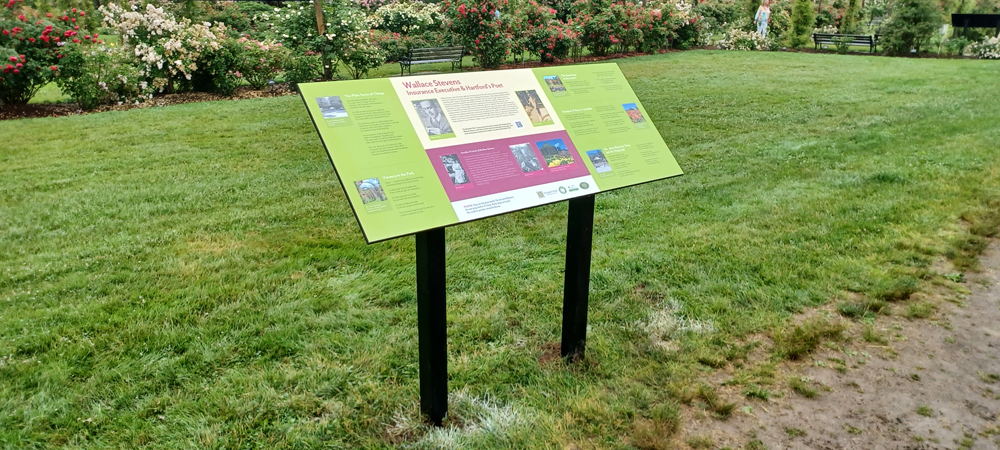
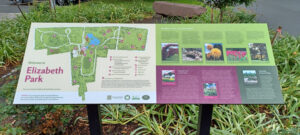
One standout example? Elizabeth Park in West Hartford. This historic space blends natural beauty with deep cultural roots. G-Force Signs & Graphics worked with the park to create interpretive signs that serve both directional and educational purposes. Visitors can view maps of the gardens, read about Wallace Stevens, an influential poet inspired by the park, and connect with the park’s heritage.
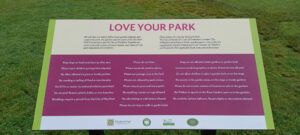 Why Materials Matter
Interpretive signs aren’t temporary displays. They’re often exposed to full sun, wind, snow, and daily wear from foot traffic. That’s why material choice matters.
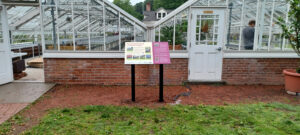
At G-Force Signs & Graphics, we use Custom High-Pressure Laminate (CHPL) panels for interpretive signs. These panels are engineered for outdoor durability. They resist fading, scratching, and vandalism. They also maintain color clarity and structural integrity over time, even in Connecticut’s changing seasons.
CHPL panels are ideal for high-traffic areas where long-term performance is essential. You won’t be replacing these every few years.
Designed with Purpose
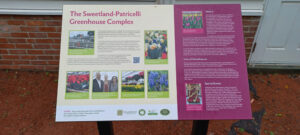
Interpretive signs are visual aids. The strong design keeps them simple and difficult to overlook. We work with clients to organize content into sections: headlines, quick facts, historical narratives, maps, and visuals. Fonts are legible. Colors are chosen for contrast and consistency with the surroundings. Photos, timelines, or artwork are integrated into the layout so that the sign draws people in, not pushes them away.
At Elizabeth Park, signs were carefully planned to blend with the natural setting. Each one enhances the visitor’s experience without overwhelming it.
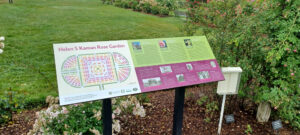 A Local Project with Community Impact
For public spaces, a well-designed interpretive sign does more than deliver facts. It connects people with their environment. It helps visitors understand where they are and why it matters.
Elizabeth Park used interpretive signs for direction and to highlight history, literature, and local culture. It turned the gardens into an open-air museum, one that feels welcoming, informative, and thoughtfully put together.
Call (860) 787-5338 today to educate your visitors about your location.
Useful Links:
For more information or a Free Consultation:
CLICK HERE.
Check out some Reviews:
CLICK HERE.
Give G-Force Signs & Graphics in South Windsor, CT to find a creative solution for your company’s signage needs today!